

Why natural candles are better for wellness and the environment
Many people assume all candles are created equal, but the wax you burn matters far more than you think. Natural candles made from plant-based waxes like soy or European rapeseed offer dramatically fewer toxic emissions, longer burn times, and genuine sustainability benefits compared to petroleum-derived paraffin. Understanding what makes a candle truly natural empowers you to create healthier, calmer spaces while supporting eco-conscious values.
Key takeaways
| Point | Details |
|---|---|
| Natural candles use sustainable, non-toxic waxes | Plant-based waxes like soy and rapeseed burn cleaner than petroleum paraffin. |
| They emit far fewer harmful pollutants | Natural waxes release up to 90% fewer volatile organic compounds into your home air. |
| Artisanal craftsmanship improves quality | Small-batch production enables superior scent throw, consistent burns, and quality control. |
| Choosing authentic candles requires label awareness | Verify wax source, wick material, and fragrance ingredients to avoid greenwashing. |
Introduction to natural candles
Natural candles are crafted from plant-based waxes and natural fibers rather than petroleum derivatives. The most common examples include soy wax extracted from soybeans and European rapeseed wax harvested from renewable oilseed crops. These materials stand in stark contrast to paraffin, a byproduct of crude oil refining that dominates mass-market candle production.
As wellness trends accelerate and consumers demand transparency, natural candles have surged in popularity. People seeking mindful home environments recognize that what they burn affects indoor air quality and aligns with sustainability values. Natural candles offer a cleaner alternative that supports both personal health and environmental responsibility.
Common natural wax types and wick materials include:
- Soy wax: derived from soybean oil, biodegradable and renewable
- Rapeseed wax: European-sourced, offers stable burns with lower transport footprint
- Coconut wax: tropical blend providing excellent scent throw
- Beeswax: natural honeycomb derivative with subtle honey aroma
- Cotton wicks: unbleached natural fibers for clean burning
- Wooden wicks: create ambient crackling sounds during use
Health and environmental benefits of natural waxes
Paraffin candles release harmful carcinogens including benzene and toluene when burned, compounds linked to respiratory issues and long-term health risks. These petroleum-based products contaminate indoor air with volatile organic compounds (VOCs) that accumulate in enclosed spaces. Natural waxes eliminate most of these dangers by burning cleaner and emitting significantly fewer pollutants.
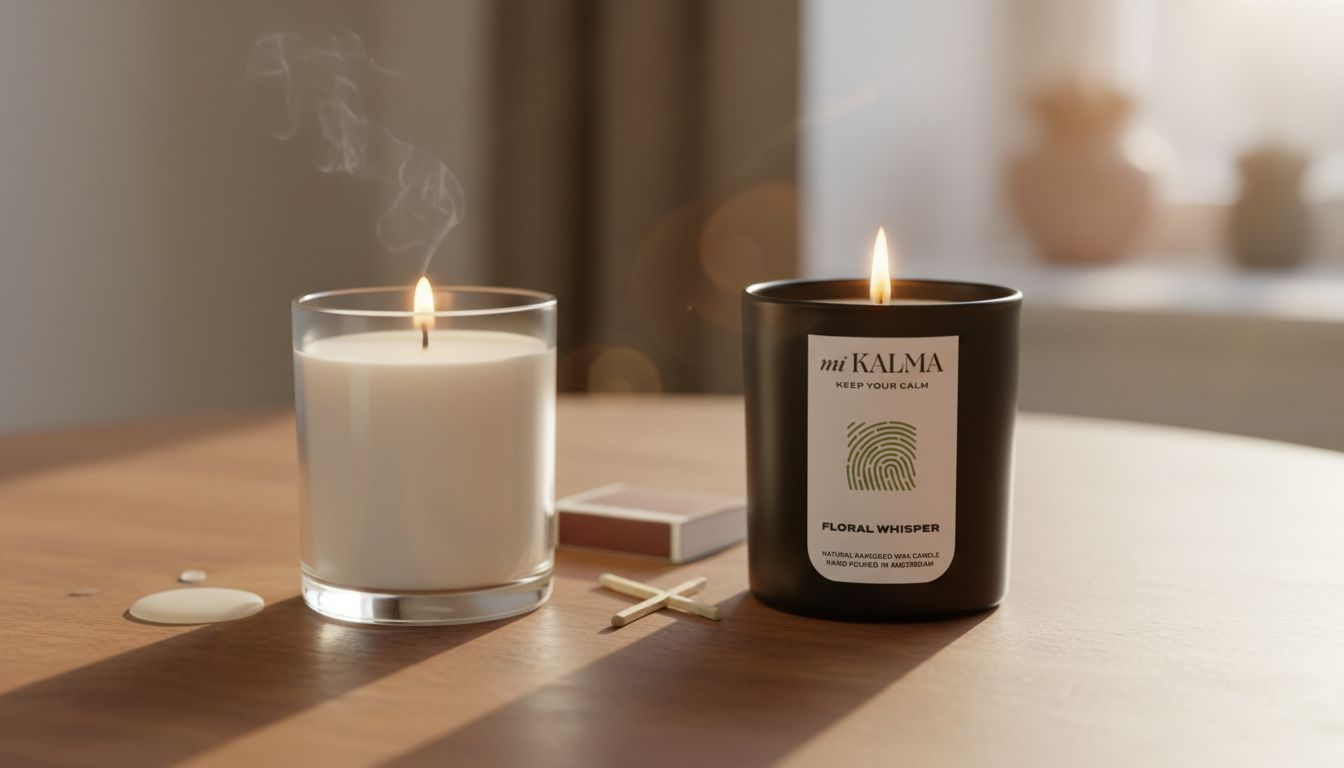
Studies show natural waxes emit up to 90% fewer VOCs compared to paraffin alternatives. This dramatic reduction means you breathe healthier air while enjoying candlelit ambiance. The difference becomes especially important in bedrooms, bathrooms, and other smaller spaces where air circulation is limited.
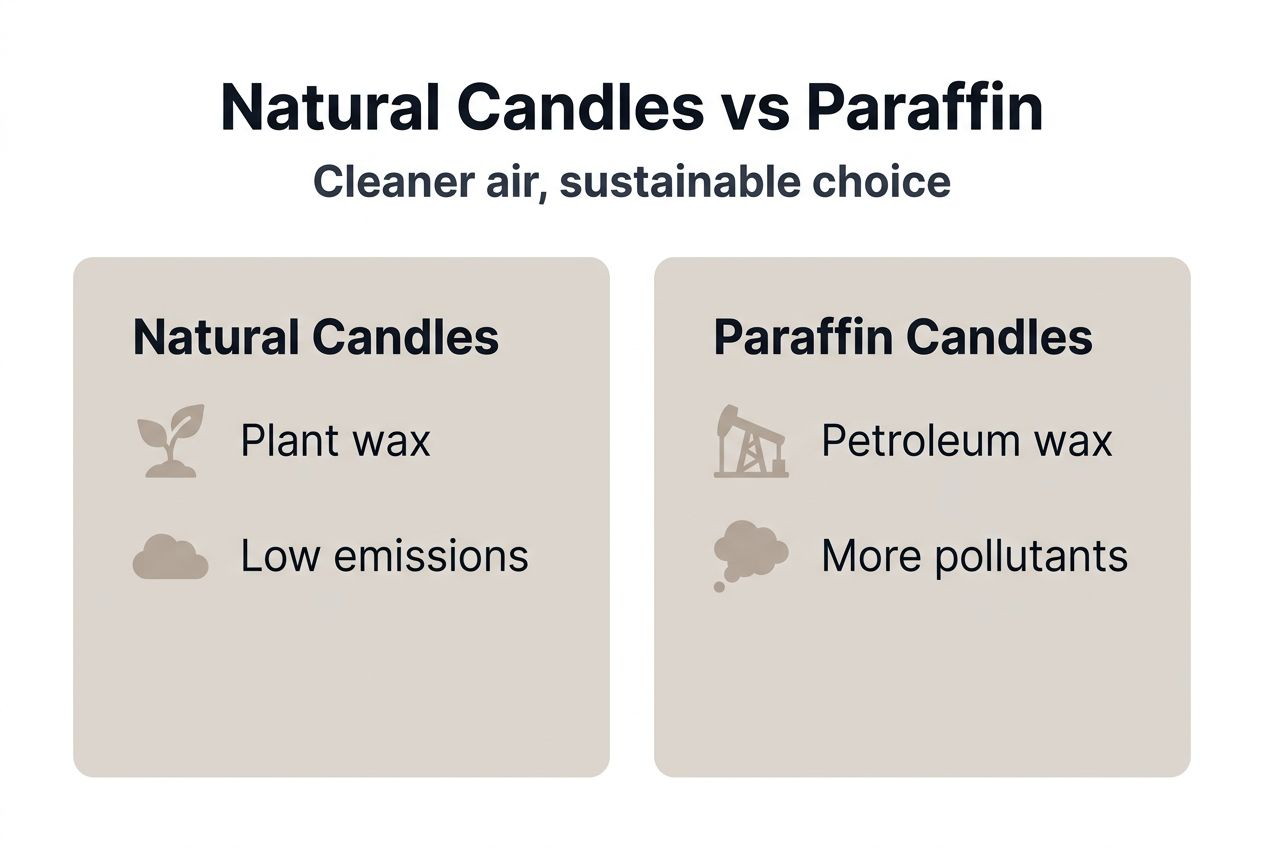
Production of soy or rapeseed wax candles reduces greenhouse gas emissions by approximately 25 to 40% versus paraffin. Natural waxes are biodegradable, break down without leaving toxic residue, and come from renewable agricultural sources rather than finite fossil fuel reserves.
| Wax Type | VOC Emissions | Biodegradable | Renewable Source | CO2 Impact |
|---|---|---|---|---|
| Paraffin | High | No | No (petroleum) | Highest |
| Soy Wax | Very Low | Yes | Yes (soybeans) | 30% lower |
| Rapeseed Wax | Very Low | Yes | Yes (oilseed crops) | 35% lower |
Health advantages of choosing natural waxes over paraffin:
- Drastically reduced indoor air pollution and respiratory irritation
- No carcinogenic compound release during burning
- Cleaner soot production, protecting walls and ceilings
- Safer for homes with children, pets, or individuals with sensitivities
- Supports allergy-friendly environments when paired with natural fragrances
Switching from paraffin to natural wax candles can reduce your household’s exposure to harmful volatile organic compounds by more than 85%, creating measurably cleaner indoor air quality.
Common misconceptions about natural candles
Many consumers mistakenly believe soy wax is the only legitimate natural option. In reality, European rapeseed wax offers comparable or superior performance with a smaller carbon footprint due to regional sourcing. After extensive testing of natural waxes, rapeseed consistently delivers the cleanest, longest, and most stable burn with exceptional scent performance.
Another myth suggests natural candles always cost significantly more than conventional options. While initial prices may appear higher, natural candles typically burn 30 to 50% longer than paraffin equivalents. This extended burn time offsets upfront costs, making them economically competitive over their lifespan. Quality materials and artisanal craftsmanship also mean fewer wasted candles that tunnel or produce excessive soot.
Some people worry that natural candles produce more soot or burn inconsistently. These issues actually stem from wick quality rather than wax type. Natural cotton and wooden wicks properly sized for the wax blend ensure clean, even burns. Paraffin candles often use metal-core wicks that create black smoke and residue.
Pro Tip: Look beyond marketing buzzwords like “eco-friendly” or “clean burning.” Check ingredient labels for specific wax sources, wick materials, and fragrance composition. Brands committed to transparency will clearly list European rapeseed wax, unbleached cotton wicks, and phthalate-free fragrance oils. Avoid vague terms that don’t specify plant-based wax types.
Craftsmanship and materials enhancing candle quality
Natural cotton and wooden wicks dramatically reduce soot while improving burn consistency. Cotton wicks made from unbleached fibers provide steady flames without producing the black smoke associated with metal-core alternatives. Wooden wicks add sensory dimension through gentle crackling sounds that enhance relaxation and ambiance.
Small-batch handcrafted candles enable rigorous quality control impossible in mass production. Artisans can monitor each pour, adjust fragrance ratios for optimal scent throw, and inspect finished candles individually. This attention to detail results in candles that burn evenly from start to finish without tunneling or wasted wax along container edges.
At mi KALMA, extensive testing confirmed that European rapeseed wax outperformed other natural options in burn stability and scent delivery. When combined with wooden wicks and premium fragrance oils, the result is superior room-filling aroma without synthetic additives. This craftsmanship directly impacts your sensory experience and candle longevity.
Benefits of artisanal production and natural wick materials:
- Precise fragrance ratios optimized for each wax blend and vessel size
- Consistent burns that utilize all wax without waste or tunneling
- Reduced soot protecting your walls, ceilings, and air quality
- Enhanced scent throw filling rooms effectively without overwhelming
- Quality assurance through hands-on inspection at every production stage
Proper wick maintenance extends candle life and performance. Using wick trimmers before each burn keeps flames at optimal height, prevents mushrooming, and maintains clean combustion. This simple ritual takes seconds but significantly improves your candle experience.
Wellness and sensory benefits of natural candles
Natural essential oils and botanical extracts promote mood improvement and stress reduction through aromatherapy principles. Unlike synthetic fragrances that can trigger headaches or irritation, plant-derived scents work harmoniously with your body’s responses. Lavender calms anxiety, eucalyptus clears mental fog, and citrus blends energize without harsh chemical notes.
Wooden wick crackling enhances the sensory experience by adding auditory dimension to visual flame and aromatic scent. This multisensory engagement supports mindfulness practices, helping you stay present and grounded. The gentle sound mimics a distant fireplace, creating cozy atmospheres that invite relaxation after demanding days.
Natural candles serve as anchors for daily rituals that cultivate calm and connection. Lighting a candle signals transition from work mode to personal time, from chaos to intentional presence. These small ceremonies build consistency, offering predictable moments of peace in unpredictable schedules.
Wellness benefits tied to natural materials and scents:
- Aromatherapy effects supporting emotional regulation and stress management
- Cleaner air quality protecting respiratory health during extended burns
- Mindfulness anchors that create structure in self-care routines
- Ambient lighting that reduces eye strain from harsh artificial sources
- Sensory richness from crackling wicks and authentic botanical fragrances
Real examples demonstrate how natural candles enhance daily life. Morning rituals pair energizing citrus scents with coffee routines. Evening wind-downs combine lavender’s calming properties with bath time or reading. Meditation practices use unscented natural candles to establish focal points without distraction. These applications show that scented candles support wellness through both physiological and psychological pathways. Exploring different candle scents for relaxation helps you discover which aromas resonate with your personal needs.
Choosing authentic natural candles: practical tips
Navigating the candle market requires informed criteria to identify genuinely natural products. Follow these steps to make confident purchases:
- Verify wax type and source: Look for specific plant-based waxes like European rapeseed or soy, not vague “vegetable wax” terms that may include palm oil or paraffin blends.
- Check wick material: Confirm natural cotton or wood wicks without metal cores that produce toxic fumes when burned.
- Examine fragrance source: Seek phthalate-free, paraben-free fragrance oils or pure essential oils, avoiding synthetic perfumes with undisclosed chemical compositions.
- Assess batch size and production method: Small-batch or handcrafted candles typically reflect higher quality standards and ingredient transparency than mass-produced alternatives.
- Evaluate brand transparency: Companies confident in their materials provide detailed ingredient lists, sourcing information, and third-party certifications on sustainability and safety.
Reading ingredient labels effectively means distinguishing natural from synthetic components. Paraffin, mineral oil, and petroleum derivatives indicate conventional candles masquerading as natural options. Synthetic fragrance without specificity suggests hidden phthalates or allergens. Transparent brands list exact wax percentages, fragrance oil sources, and wick compositions.
Verifying sustainable sourcing claims requires looking beyond marketing language. Check for certifications like IFRA compliance for fragrances, which ensures safety standards. Research whether brands disclose manufacturing locations, wax origins, and environmental practices. European rapeseed wax, for instance, offers renewable sourcing with lower transport emissions than imported tropical alternatives.
Pro Tip: Test new candles in well-ventilated spaces before committing to extended burns. Light the candle for one hour and observe flame stability, soot production, and scent intensity. Quality natural candles produce minimal soot, maintain steady flames, and deliver fragrance without overwhelming. This simple test reveals craftsmanship quality before you invest in larger sizes.
Avoid common pitfalls like greenwashing tactics that use nature imagery without substantiating ingredient claims. Don’t assume “natural” guarantees allergen-free status, as some essential oils cause sensitivities. When choosing premium candles, prioritize brands that answer questions directly and provide evidence for their quality assertions.
Conclusion: Embracing natural candles for a healthier, calmer home
Natural candles deliver measurable health advantages by eliminating toxic emissions associated with petroleum-based paraffin. Their environmental benefits stem from renewable plant-based waxes that biodegrade cleanly and reduce carbon footprints during production. These practical improvements align perfectly with values-driven purchasing decisions.
Beyond health metrics, natural candles enhance daily life through superior sensory experiences. Artisanal craftsmanship ensures consistent burns, authentic fragrances, and aesthetic appeal that mass-produced alternatives cannot match. The ritual of lighting a carefully chosen candle becomes a meaningful act of self-care and environmental stewardship.
Making informed candle choices empowers you to create spaces that truly support wellness and reflection. Understanding ingredients, verifying sourcing, and recognizing quality indicators transform shopping from guesswork into confident decisions. The benefits of sustainable candles extend far beyond individual purchases, contributing to broader shifts toward conscious consumption.
Discover natural wax candles at mi KALMA
mi KALMA specializes in handcrafted natural candles that embody these wellness and sustainability principles. Each candle is poured in small batches in Amsterdam using 100% European rapeseed wax, chosen after extensive testing for its superior burn quality and environmental footprint.
Our vegan, phthalate-free fragrance oils are designed in France and optimized specifically for candle performance, delivering exceptional room-filling scent without compromise. Timeless black glass jars, recyclable packaging, and transparent ingredient disclosure reflect our commitment to quality and values. Explore the mi KALMA candle collection to find scents that transform your space into a sanctuary of calm and connection.
FAQ
Are natural candles completely free of toxic emissions?
Natural candles emit significantly fewer toxins than paraffin but are not entirely emission-free. Choosing soy or rapeseed wax with properly sized cotton or wooden wicks reduces harmful pollutants by up to 90%, creating substantially cleaner indoor air quality.
How can I identify a truly natural candle?
Check ingredient labels for specific plant-based waxes like rapeseed or soy, natural fiber wicks without metal cores, and phthalate-free fragrances. Look for brand transparency including manufacturing location, wax sourcing details, and third-party safety certifications that verify claims.
Do natural candles burn longer than paraffin ones?
Burn time varies by candle size, wax blend, and wick quality rather than wax type alone. High-quality natural candles often burn 30 to 50% longer than paraffin equivalents due to lower melting points and superior craftsmanship that prevents tunneling.
Can natural candles trigger allergies?
Some essential oils and botanical extracts may cause sensitivities in individuals with specific allergies. Always check ingredient lists for known allergens and test candles in small spaces before extended use. Natural does not automatically mean allergen-free for all people.