

Why Use Sustainable Candles: Wellness, Impact, and Value
Finding eco-friendly candles that truly align with your values can feel confusing when every option claims to be green. For many European millennials, choosing the right candle means prioritizing wellness, mindful rituals, and cruelty-free design without sacrificing sustainability. This article helps you cut through the noise by highlighting the comprehensive practices that define genuine sustainable candle production, empowering you to choose candles that support both personal well-being and environmental responsibility.
Key Takeaways
| Point | Details |
|---|---|
| Sustainable Material Selection | Choosing renewable and biodegradable waxes like soy and coconut is crucial for eco-friendly candles. |
| Clean Manufacturing Practices | Sustainable candles minimize toxic emissions and utilize energy-efficient production techniques. |
| Holistic Wellness Benefits | Sustainable candles enhance wellness through natural fragrances and improved air quality, aiding relaxation and mindfulness. |
| Informed Consumer Choices | Evaluate the sourcing, production, and transparency of materials to ensure true sustainability in candle options. |
What Makes a Candle Sustainable Today
Sustainability in candle production represents a holistic approach that goes far beyond simply choosing an alternative wax. Modern sustainable candles integrate environmentally conscious practices across manufacturing, material selection, and overall product lifecycle.
Key characteristics of a truly sustainable candle include:
- Natural Wax Composition: Utilizing renewable, biodegradable waxes like rapeseed, soy, or coconut that reduce environmental footprints
- Clean Burning Properties: Minimizing toxic emissions and particulate matter during combustion
- Responsibly Sourced Ingredients: Ensuring fragrances, wicks, and packaging materials are ethically and environmentally produced
- Low Carbon Manufacturing: Implementing energy-efficient production techniques
Specifically, sustainable candle production focuses on eliminating harmful substances traditionally found in mass-produced candles. Paraffin wax, derived from petroleum, releases toxic chemicals when burned and represents the antithesis of sustainable candle manufacturing. Natural alternatives like rapeseed wax offer superior environmental credentials while delivering exceptional fragrance performance.
Ethical Material Selection becomes paramount in creating truly sustainable candles. This means carefully evaluating every component:
- Selecting plant-based waxes with minimal transportation impact
- Using vegan, cruelty-free fragrance oils
- Choosing biodegradable wicks made from natural materials
- Implementing recyclable or reusable packaging
Pro tip: When evaluating a sustainable candle, examine its entire production process - not just the final product.
Types of Sustainable Candle Materials Explained
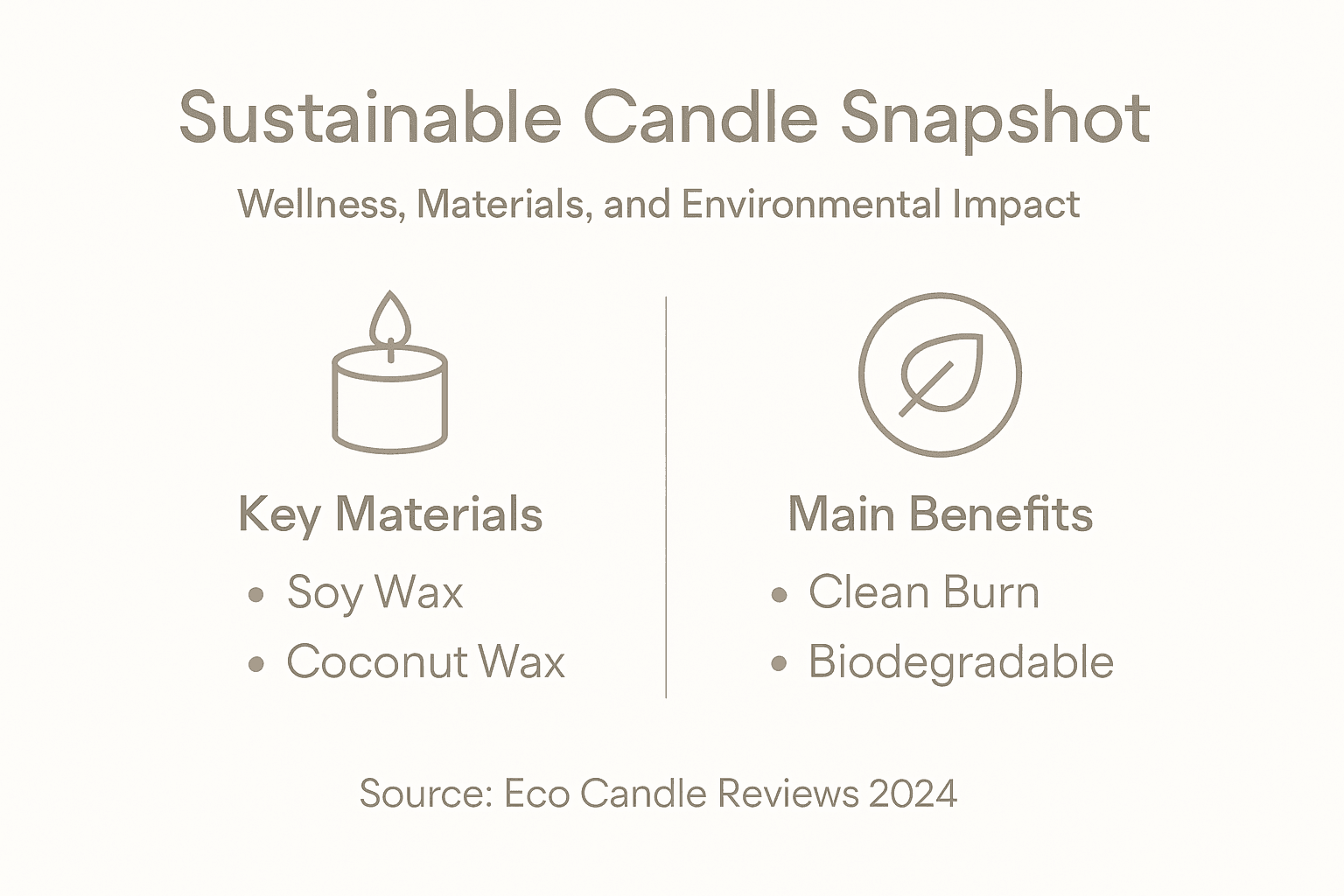
Sustainable candle materials represent a sophisticated approach to eco-friendly illumination, offering environmentally conscious consumers multiple natural alternatives to traditional petroleum-based waxes. Sustainable candle materials have evolved to provide exceptional performance while minimizing environmental impact.
The primary sustainable candle materials include:
- Soy Wax: A biodegradable option derived from renewable soybeans, known for clean burning and excellent scent retention
- Coconut Wax: A slow-burning, renewable material with a luxurious texture and superior fragrance throw
- Beeswax: A natural wax with inherent air-purifying properties, though not suitable for vegan consumers
- Rapeseed Wax: A European-sourced alternative with low transportation emissions and stable burning characteristics
Each material offers unique benefits and challenges. Soy wax, for instance, provides a clean burn and supports agricultural sustainability. Coconut wax delivers a premium feel with exceptional scent distribution. Beeswax offers natural air-cleaning properties but raises ethical considerations for strict vegan consumers.
Here’s a summary of popular sustainable candle materials and their unique strengths:
| Material | Environmental Advantage | Scent Performance | Vegan-friendly |
|---|---|---|---|
| Soy Wax | Renewable, biodegradable | Excellent scent retention | Yes |
| Coconut Wax | Slow-burning, renewable | Superior fragrance throw | Yes |
| Beeswax | Air-purifying, natural | Mild natural aroma | No |
| Rapeseed Wax | Low transport emissions | Stable burning, strong fragrance | Yes |
Sustainable Wick Selection is equally crucial in creating environmentally responsible candles. Optimal choices include:
- Organic cotton wicks
- Wooden wicks from sustainably managed forests
- Untreated natural fiber wicks
- Lead-free cotton wicks with natural hemp cores
Pro tip: When selecting a sustainable candle, examine not just the wax but the entire production ecosystem, including packaging and manufacturing processes.
How Sustainable Candles Support Wellness Rituals
Wellness rituals have evolved to encompass holistic practices that nurture both mental and physical well-being, with sustainable candles emerging as powerful tools for creating intentional, mindful spaces. Sustainable candles support wellness by providing a clean, toxin-free atmosphere that promotes relaxation and emotional balance.
The key wellness benefits of sustainable candles include:
- Aromatherapeutic Impact: Natural essential oil-based fragrances that support emotional regulation
- Air Quality Improvement: Elimination of harmful synthetic chemicals and pollutants
- Mindfulness Catalyst: Creating intentional moments of calm and personal reflection
- Sensory Engagement: Providing gentle, natural stimulation for stress reduction
Natural waxes like soy, coconut, and rapeseed combined with pure essential oils transform candle burning from a simple decorative act into a meaningful wellness practice. These candles offer a multi-sensory experience that connects personal well-being with environmental consciousness, allowing individuals to create sacred spaces that support mental health and emotional healing.
Wellness Ritual Strategies for integrating sustainable candles include:
- Establishing daily meditation or reflection time
- Creating intentional evening wind-down routines
- Designing dedicated self-care spaces
- Practicing mindful breathing with complementary scent profiles
Pro tip: Choose candle scents that align with your specific emotional or wellness goals, using aromatherapy principles to support your mental and physical state.
Environmental Impact of Eco-Friendly Candles
Sustainable candle production represents a critical evolution in reducing environmental harm, transforming what was once a simple home accessory into a conscientious consumer choice. Sustainable candle production directly addresses critical environmental challenges by minimizing ecological footprints through thoughtful manufacturing processes.
The primary environmental benefits of eco-friendly candles include:
- Renewable Resource Utilization: Using plant-based waxes that can be regenerated annually
- Reduced Carbon Emissions: Minimizing greenhouse gas production compared to petroleum-based candles
- Waste Reduction: Implementing recyclable packaging and biodegradable materials
- Non-Toxic Manufacturing: Eliminating harmful chemical emissions during production and burning
Natural wax alternatives like rapeseed, soy, and coconut wax represent significant improvements over traditional paraffin. These renewable materials not only burn cleaner but also support agricultural ecosystems by creating demand for sustainable crop production. European rapeseed wax, for instance, offers a particularly low-impact option with minimal transportation emissions.
Ecological Impact Considerations for conscious consumers include:
- Checking wax sourcing and production methods
- Evaluating packaging sustainability
- Selecting brands with transparent environmental practices
- Prioritizing locally produced candles to reduce transportation emissions
Pro tip: Research candle brands that provide complete transparency about their environmental practices and manufacturing processes.
Comparing Sustainable and Conventional Candles
The landscape of candle production reveals stark differences between sustainable and conventional approaches, with significant implications for health, environment, and overall consumer experience. Conventional versus sustainable candles represent more than just a material choice - they embody fundamentally different philosophical approaches to manufacturing and consumption.
Key distinctions between sustainable and conventional candles include:
- Wax Composition: Natural, renewable waxes versus petroleum-based paraffin
- Fragrance Sources: Essential oils and natural extracts versus synthetic chemicals
- Emissions Profile: Clean burning with minimal toxins versus potential harmful particle release
- Packaging Approach: Recyclable and biodegradable materials versus single-use plastics
Paraffin wax, the cornerstone of conventional candles, derives from petroleum and releases potentially harmful chemicals like benzene and toluene when burned. In contrast, natural waxes such as rapeseed, soy, and coconut offer cleaner combustion, lower environmental impact, and often superior scent performance. These sustainable alternatives not only reduce indoor air pollution but also support agricultural ecosystems.
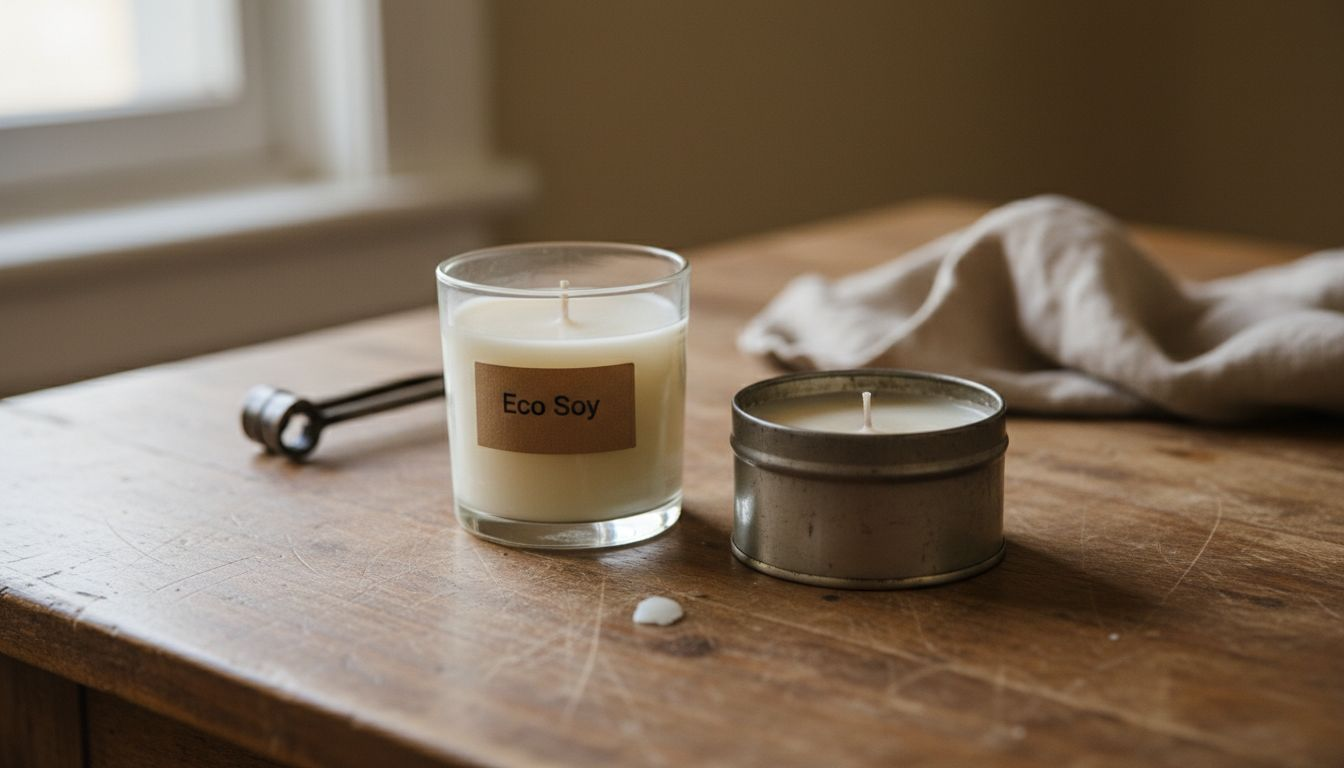
Comparative Analysis of candle characteristics reveals:
Compare sustainable and conventional candles across key criteria:
| Factor | Sustainable Candle | Conventional Candle |
|---|---|---|
| Wax Source | Plant-based, renewable | Petroleum-derived paraffin |
| Fragrance Ingredients | Essential oils, natural | Synthetic chemicals |
| Packaging Approach | Recyclable, biodegradable | Single-use plastics |
| Emissions Profile | Minimal toxins released | Harmful pollutants possible |
- Health Impact: Sustainable candles minimize toxic exposure
- Environmental Footprint: Renewable materials versus petroleum derivatives
- Burn Quality: Longer, more consistent flame with natural waxes
- Sensory Experience: More authentic, nuanced fragrance profiles
Pro tip: Examine candle labels carefully, looking beyond marketing claims to understand the true composition and manufacturing process.
Common Misconceptions About Natural Ingredients
The world of sustainable candle production is often clouded by well-intentioned but misguided assumptions about natural ingredients. Natural ingredient misconceptions reveal a complex landscape where ‘natural’ does not automatically equate to safe or sustainable.
Common misconceptions about natural candle ingredients include:
- Automatic Safety: Assuming all natural ingredients are inherently harmless
- Sustainable Origin: Believing every natural ingredient has a low environmental impact
- Uniform Quality: Thinking all natural fragrances are pure and unprocessed
- Allergen-Free: Presuming natural ingredients cannot cause sensitivities
Natural essential oils, while derived from plant sources, can pose unexpected challenges. Some may trigger allergic reactions, while others require significant agricultural resources or involve complex extraction processes. The notion that ‘natural’ automatically means environmentally friendly overlooks the nuanced realities of ingredient sourcing, processing, and overall ecological footprint.
Critical Evaluation Factors for natural ingredients include:
- Verifiable sourcing documentation
- Transparent production processes
- Third-party sustainability certifications
- Comprehensive allergen and sensitivity testing
Pro tip: Always request detailed ingredient provenance and processing information from candle manufacturers to make truly informed choices.
Elevate Your Wellness and Environment with Sustainable Luxury Candles
The article highlights the importance of choosing sustainable candles that respect both your well-being and the planet. If you seek to create calming, intentional spaces with natural, toxin-free fragrances and support ethical, eco-conscious practices, our Candle Collection – mi KALMA offers a refined solution. Crafted in small batches using sustainably sourced European rapeseed wax, our candles bring a clean burn and exquisite scent experience that align perfectly with wellness rituals and environmental values.
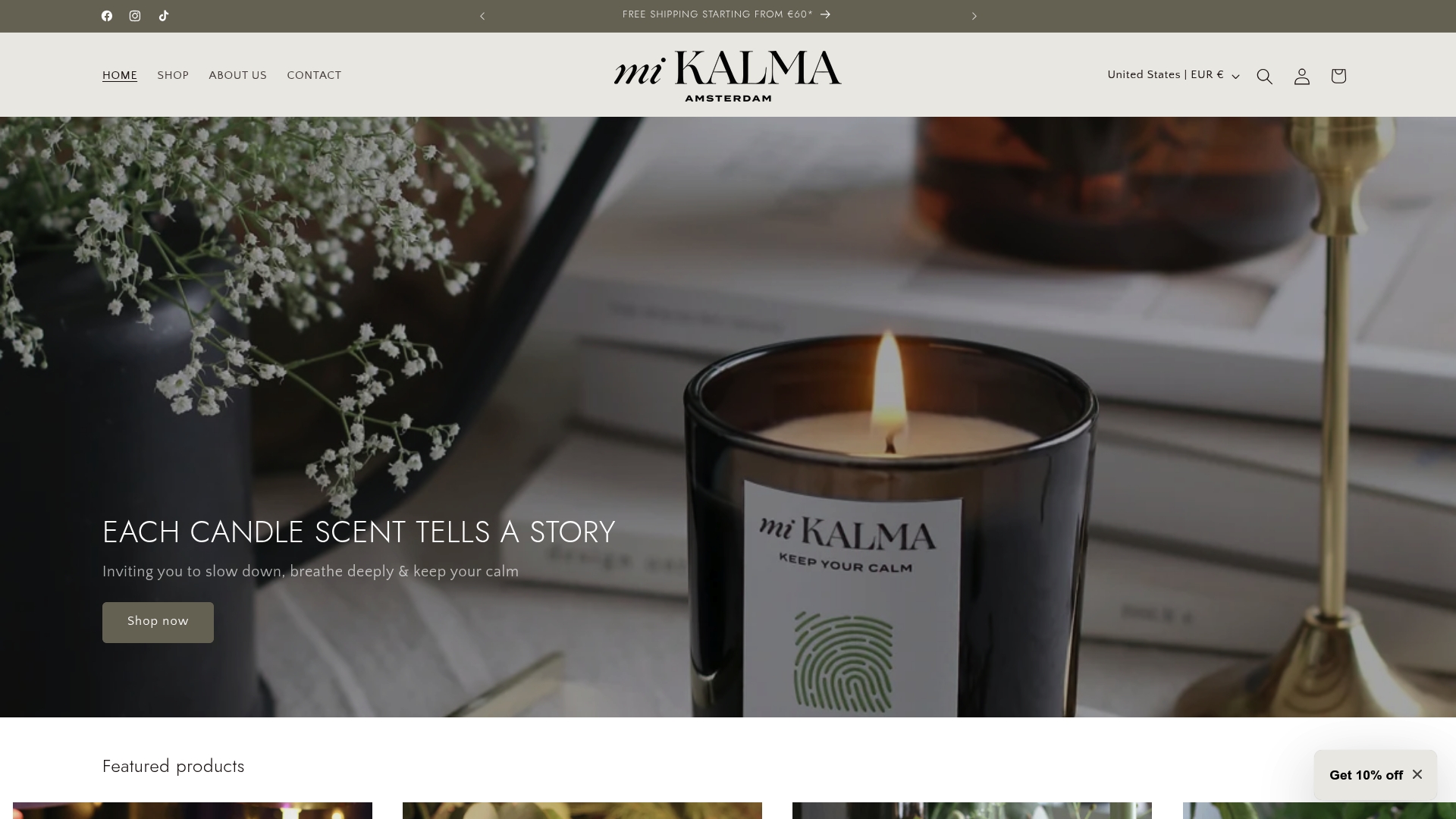
Discover how our handcrafted, vegan-friendly candles and curated Candle Accessories – mi KALMA complement your self-care moments. Each product embodies mindfulness, calmness, and connection. Visit https://mikalma.com today to explore authentic sustainable candles that elevate your home ambiance while honoring nature and your health. Make the switch now for a meaningful sensory journey anchored in sustainability.
Frequently Asked Questions
What are the benefits of using sustainable candles?
Sustainable candles provide a clean, toxin-free burning experience that aligns with wellness practices, enhances air quality, and reduces environmental impact. They promote emotional well-being through aromatherapy and mindfulness while supporting responsible manufacturing practices.
How do sustainable candles differ from conventional candles?
Sustainable candles are made from natural, renewable waxes like soy, coconut, or rapeseed, while conventional candles are often made from paraffin, a petroleum byproduct. Sustainable options have minimal toxins, better scent profiles, and environmentally friendly packaging compared to their conventional counterparts.
What materials are considered sustainable for candle production?
Sustainable candle materials include biodegradable options such as soy wax, coconut wax, rapeseed wax, and beeswax (though not vegan). These materials offer reduced carbon footprints and cleaner burning properties compared to traditional paraffin wax.
Can sustainable candles affect indoor air quality?
Yes, sustainable candles improve indoor air quality. They burn cleanly without releasing harmful synthetic chemicals or particulates associated with paraffin candles, making them a healthier option for your living environment.
Recommended
- mi KALMA - Hand Poured Candles
- Your Privacy Choices – mi KALMA
- SANCTUARY scented candle – mi KALMA
- Candle Collection – mi KALMA
- Eucalyptus Peppermint Scented Candles - STOMART.CO.UK
- What is Sustainable Jewelry? Understanding Eco-Friendly Accessories – Malibu Vibes Jewelry
- Eco Aware Wrapping: Defining Sustainable Luxury – Nicholas & Rose Limited