

Why Use Wick Trimmers? Cut Soot by 70% for Cleaner Burns
Trimming your candle wick might seem like a minor detail, but this simple maintenance step reduces soot emissions by up to 70% compared to untrimmed wicks. Many candle lovers overlook this crucial practice, leading to wasted wax, smoky air, and shortened candle life. If you value eco-friendly living and want your artisanal candles to burn cleanly while enhancing your home’s ambiance, understanding wick trimming is essential. This guide explains how proper wick care transforms your candle experience and supports sustainability.
Key Takeaways
| Point | Details |
|---|---|
| Soot Reduction | Trimming wicks to 5mm reduces soot and smoke emissions by up to 70%, creating cleaner indoor air. |
| Extended Candle Life | Proper wick maintenance extends burn time by up to 20%, maximizing your candle investment. |
| Improved Scent Quality | Trimmed wicks produce stable flames that optimize fragrance throw and minimize carbon buildup. |
| Health Benefits | Reduced particulate emissions lower respiratory irritants and improve indoor air quality. |
| Sustainable Practice | Regular trimming decreases waste and supports eco-conscious candle rituals. |
Introduction to Candle Wick Maintenance
Candle wicks serve as the delivery system for wax combustion, drawing melted wax upward through capillary action to feed the flame. Without proper care, wicks develop carbon deposits that interfere with this process. Wick trimming means cutting the wick to an optimal length before each burn, typically around 5mm, and removing any charred buildup at the tip.
This practice directly impacts sustainability. Wick trimming connects candle longevity with environmental responsibility by ensuring efficient wax consumption and reducing waste. For those using artisanal candles made from natural materials, maintenance becomes even more important. These candles often contain:
- Cotton or wood wicks that burn cleanly when properly maintained
- Plant-based waxes like rapeseed, soy, or coconut that require balanced flame temperatures
- Natural fragrance oils that release optimally with stable combustion
- Sustainable vessels designed for complete wax usage
When you understand the benefits of wick trimmers, you realize they’re not luxury accessories but practical tools. They ensure your candles burn as intended, honoring the craftsmanship behind handmade products while supporting your commitment to mindful consumption. Proper wick length creates ideal combustion conditions, transforming a simple candle into a reliable source of ambiance and wellness.
Why Wick Trimming Matters for Candle Burn Quality
The science behind wick trimming reveals why this small step creates dramatic improvements. A wick maintained at approximately 5mm produces a stable, teardrop-shaped flame that burns wax efficiently. When wicks grow longer, they draw excess fuel, creating oversized flames that generate incomplete combustion.
An optimal wick length of about 5mm reduces soot emissions by up to 70% compared to longer wicks. Here’s what happens with untrimmed wicks:
- Flames grow taller and flicker irregularly, consuming oxygen inefficiently
- Incomplete combustion produces black carbon particles that become airborne soot
- Carbon accumulates at the wick tip, forming a mushroom-shaped cap
- This buildup restricts fuel flow and creates smoking issues
- Excess heat can cause the wax pool to become too large or too hot
Carbon buildup acts like a clog in your candle’s fuel system. As charred material accumulates, it disrupts the wick’s ability to draw wax evenly. The flame becomes unstable, producing smoke and releasing less fragrance because the combustion temperature drops below the optimal range for vaporizing scent molecules.
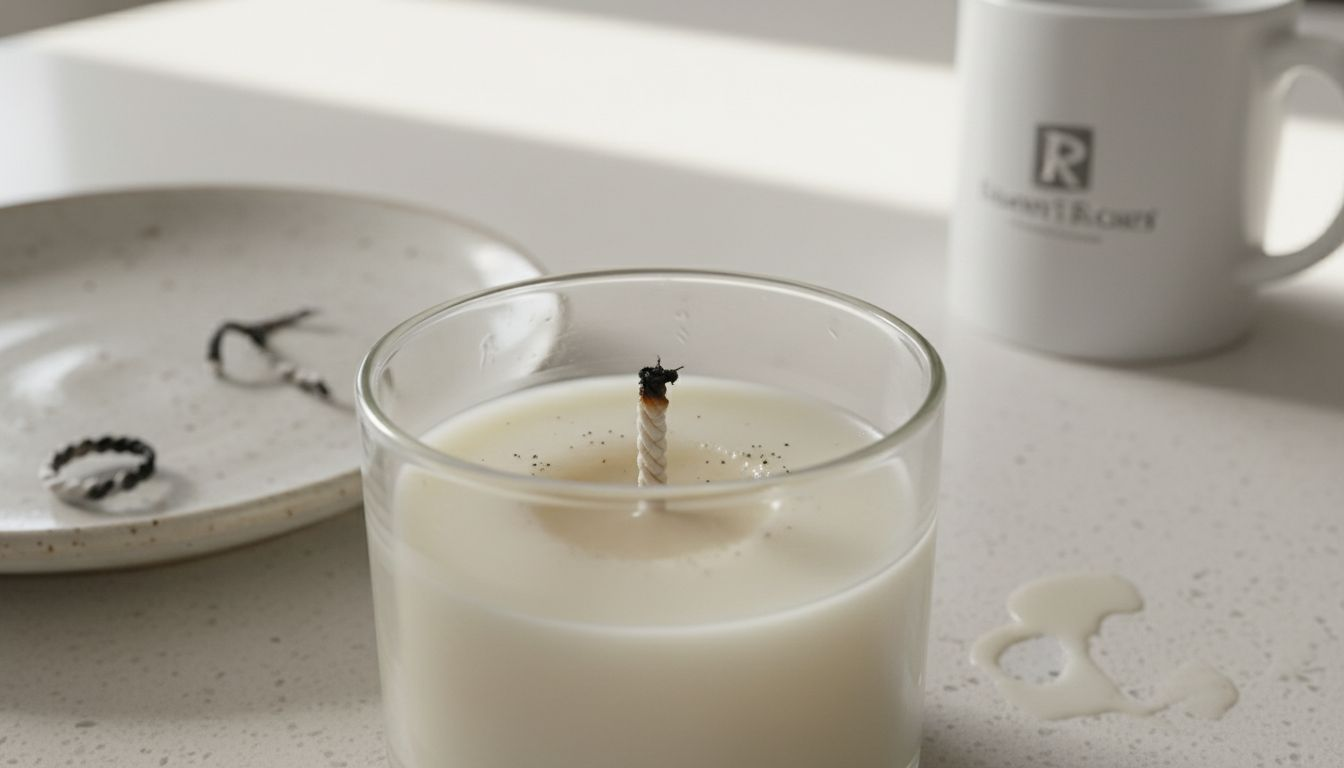
Understanding the scientific benefits of wick trimming helps you see candles as precision instruments. Each element works together: wick diameter, wax formulation, and flame size must balance for clean burning. When you trim regularly, you maintain this balance, ensuring your candles deliver the sensory experience their makers intended.
Pro Tip: Trim your wick when the wax has cooled and solidified. Trimming a hot wick can cause debris to fall into melted wax, creating future burn issues.
Environmental and Health Benefits of Wick Trimmers
The impact of wick trimming extends far beyond candle performance. Indoor air quality matters deeply for respiratory health, especially in spaces where you relax and practice self-care. Soot particles from poorly maintained candles settle on surfaces, float in breathing zones, and accumulate over time.
Using wick trimmers reduces soot particulate emissions and extends candle life, addressing both environmental and health concerns. The benefits include:
- Fewer airborne particulates that can irritate lungs and airways
- Reduced black marks on walls, ceilings, and furniture
- Lower volatile organic compound release from incomplete combustion
- Decreased frequency of candle replacement, reducing packaging waste
Statistic Alert: Regular wick trimming can extend total candle burn time by 15 to 20%, meaning a 40-hour candle might last up to 48 hours with proper care.
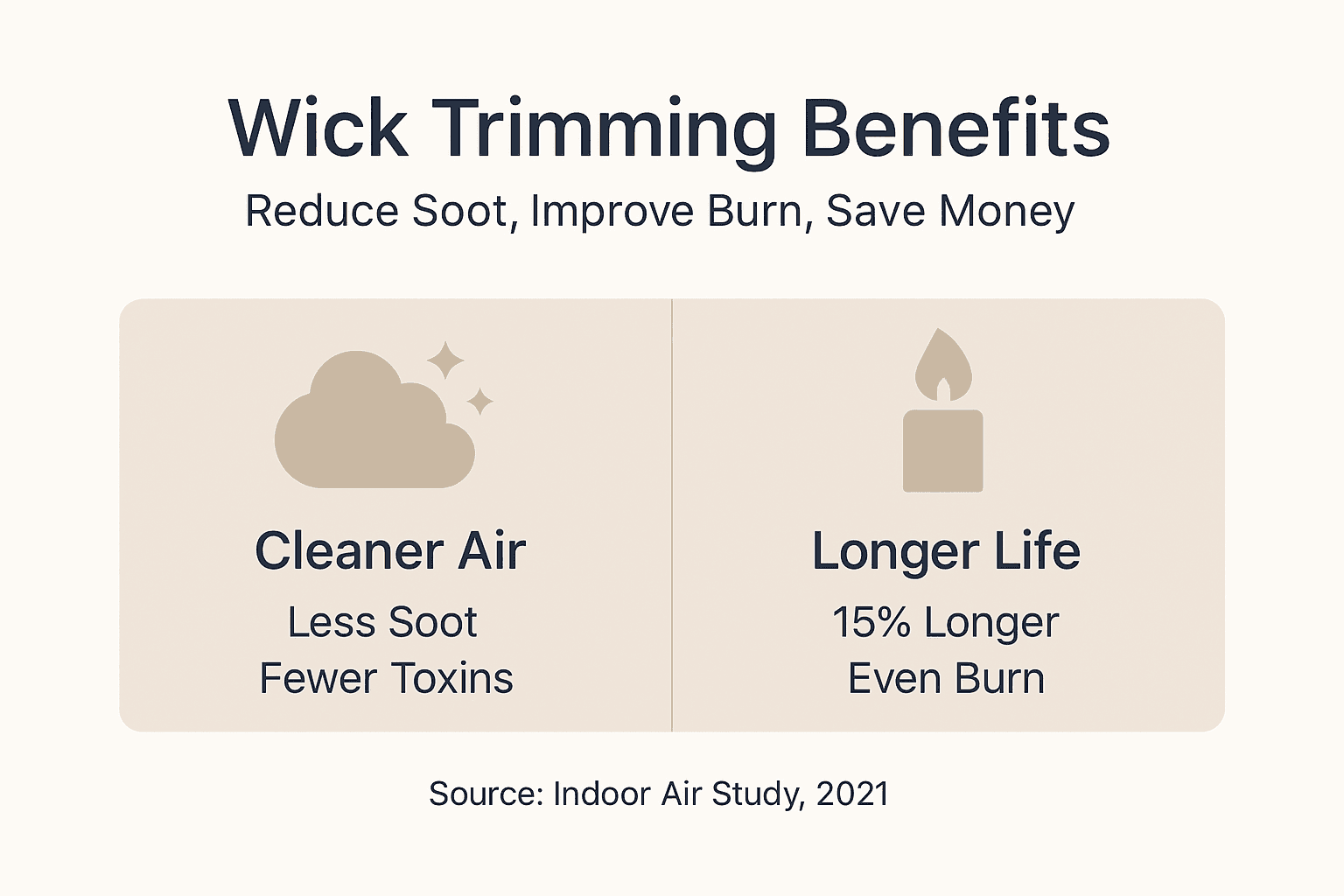
This longevity directly supports sustainability. Manufacturing, shipping, and packaging new candles all carry environmental costs. When you maximize each candle’s lifespan, you reduce your consumption footprint. For eco-conscious consumers, understanding the environmental benefits of wick trimming aligns candle enjoyment with planetary responsibility.
The health advantages matter equally. Studies show indoor air can contain higher pollutant concentrations than outdoor air, especially in tightly sealed modern homes. Candles contribute significantly when burned improperly. By maintaining clean combustion through regular trimming, you create healthier spaces for meditation, relaxation, and daily living. Your self-care rituals become genuinely nurturing rather than inadvertently introducing irritants.
Common Misconceptions About Wick Length and Flame Size
Several myths about wick trimming persist, leading people to skip this essential step. Let’s address the most common misunderstandings:
Myth: Longer wicks produce stronger fragrance throw. Reality: Longer wicks increase soot emissions by over 60% and actually weaken fragrance release. Oversized flames burn too hot, vaporizing wax too quickly without properly releasing scent molecules. A controlled flame at the correct temperature provides optimal fragrance diffusion.
Myth: Wick trimming is purely aesthetic, making candles look tidier. Reality: Trimming serves functional purposes that directly affect burn quality, air purity, and candle longevity. The aesthetic benefit is secondary to performance improvements.
Myth: Blowing out candles is sufficient for wick care. Reality: Blowing creates smoke that deposits soot on nearby surfaces and can damage the wick. Proper extinguishing with a snuffer or trimmer preserves wick integrity for the next burn.
Myth: Only expensive candles need wick maintenance. Reality: All candles benefit from trimming, regardless of price. Natural wax candles especially require attention because plant-based waxes burn differently than paraffin.
These wick trimming myths prevent people from experiencing their candles’ full potential. Understanding the real relationship between wick length and flame performance empowers you to make informed decisions. A well-maintained wick produces a flame approximately 25mm tall with minimal flicker. This height ensures complete combustion while preventing the excessive heat that damages containers and wastes wax.
Choosing the Right Wick Trimmer and How to Use It
Not all trimming tools deliver the same results. Quality matters when selecting equipment for candle maintenance. Stainless steel wick trimmers provide durable, precise cuts essential for maintaining optimal wick length. These specialized scissors feature angled blades and a catching plate that traps trimmed debris, preventing it from falling into wax.
Follow these steps for effective wick trimming:
- Wait until the wax has completely cooled and solidified.
- Position the trimmer blades parallel to the wax surface, about 5mm above it.
- Make a clean cut straight across the wick, removing the charred portion.
- Remove the trimmed piece from the candle vessel immediately.
- Wipe the trimmer blades clean before storing.
Trim frequency depends on burn habits. For candles burned daily, trim before each lighting. For occasional use, inspect the wick weekly and trim when it exceeds 5mm or shows carbon buildup. Some signs you need to trim include a flickering flame, visible smoke, or a mushroom-shaped wick tip.
Pro Tip: Never use regular scissors or your fingers to trim wicks. Scissors lack the precision for clean cuts and can fray cotton wicks. Fingers introduce oils that affect combustion and risk burns from residual heat.
Wick trimmers serve double duty as extinguishing tools. After enjoying your candle, use the trimmer to press the wick gently into the melted wax pool, then lift it back upright. This method, called dipping, coats the wick and eliminates smoke without blowing. When selecting a wick trimmer, look for ergonomic handles and rust-resistant materials that will last through hundreds of uses.
Comparing Wick Trimming to Other Candle Maintenance Methods
Different candle care approaches produce varying results for sustainability and air quality. Understanding these differences helps you choose the best practices.
Blowing out candles increases harmful particulate emissions by 3 to 5 times compared to using wick trimmers or snuffers. The forceful air disrupts combustion, creating incomplete burning that releases smoke. This smoke contains carbon particles, volatile compounds, and fragrance residue that settle throughout your space.
| Method | Soot Production | Wick Preservation | Ease of Use | Sustainability |
|---|---|---|---|---|
| Wick Trimming | Minimal | Excellent | Moderate | High |
| Wick Snuffing | Very Low | Good | Easy | High |
| Blowing Out | High | Poor | Very Easy | Low |
| Lid Covering | Low | Good | Easy | Medium |
Wick trimming stands out because it addresses the root cause of poor combustion rather than just managing symptoms. While snuffing effectively extinguishes flames, it doesn’t remove carbon buildup. Combining both practices delivers optimal results: trim before lighting, snuff when finished.
For eco-friendly candle maintenance, adopt these sustainable practices:
- Keep wick trimmers near your candles as a visual reminder
- Burn candles in draft-free areas to prevent uneven wax consumption
- Allow candles to form complete melt pools before extinguishing
- Store candles away from direct sunlight to preserve wax quality
These habits work synergistically with wick trimming to maximize candle lifespan while minimizing environmental impact. You’ll notice cleaner burns, longer enjoyment, and reduced waste from your candle collection.
Enhancing Home Ambiance and Self-Care Through Wick Trimmers
Beyond technical benefits, wick trimming elevates the entire candle experience. Clean combustion creates the serene atmosphere you seek when lighting candles for relaxation or meditation. Wick trimming reduces soot marks and smoke odors, creating cleaner, calmer living spaces that support wellness.
Consider how candle quality affects ambiance:
- Stable flames produce consistent, gentle light that soothes rather than distracts
- Reduced smoke means no interruption to breathing exercises or quiet moments
- Cleaner air preserves the integrity of natural fragrances you’ve chosen
- Longer-lasting candles become reliable companions in your routines
Incorporating wick trimming into mindful rituals adds intentionality to candle use. The act of preparing your candle before lighting creates a transition moment. You’re not just starting a flame; you’re setting the stage for whatever comes next, whether that’s journaling, bathing, or simply unwinding after work.
Pro Tip: Make wick trimming part of your candle-lighting ceremony. As you trim, set an intention for your practice or reflect on gratitude. This transforms maintenance into mindfulness.
The visual impact matters too. Untrimmed wicks create sooty residue that dulls glass vessels and stains nearby surfaces. Maintaining clean burns keeps your candles looking beautiful throughout their life, preserving the aesthetic you’ve curated in your space. When guests notice your candles burn perfectly without smoke or mess, it reflects your attention to quality and care in your home environment.
Summary and Practical Tips for Lasting Candle Enjoyment
Wick trimming delivers measurable benefits that align with eco-conscious values and enhance daily life. You’ve learned how this simple practice reduces soot by up to 70%, extends burn time by 20%, and creates healthier indoor air. These aren’t minor improvements; they represent meaningful change in how candles perform and impact your environment.
Here’s your complete wick trimming guide:
- Invest in quality stainless steel wick trimmers designed for the task.
- Trim wicks to 5mm before every burn when the wax is cool.
- Remove trimmed debris immediately to prevent contamination.
- Inspect wicks for mushroom-shaped carbon buildup between uses.
- Combine trimming with proper extinguishing methods like snuffing.
- Store trimmers within reach of your candles for consistent use.
- Clean trimmer blades periodically to maintain sharp cutting edges.
Regular wick maintenance maximizes the value of your candle purchases. When you extend each candle’s life by 20%, you’re reducing consumption and supporting sustainability goals. For artisanal candles crafted with care from natural materials, proper maintenance honors the maker’s work and your investment.
Integrate wick care into your broader eco-conscious lifestyle. Just as you might choose reusable products or support local makers, maintaining your candles demonstrates commitment to mindful consumption. Each time you trim a wick, you’re choosing quality over convenience, longevity over disposal, and wellness over compromise. These small decisions accumulate into meaningful environmental and personal impact.
Explore Premium Sustainable Candles and Accessories
Now that you understand the importance of proper wick care, consider the candles themselves. Quality tools deserve quality candles. Explore our collection of handcrafted natural wax candles made from sustainably sourced European rapeseed wax. Each candle is poured in small batches in Amsterdam, ensuring attention to detail and optimal wick pairing.

Our precision wick trimmers are designed specifically for maintaining natural wax candles. Pair them with candles that share your values around sustainability and wellness. When you choose artisanal products, you’re supporting practices that prioritize environmental responsibility and sensory excellence. Learn more about why sustainable candles matter for your home and the planet.
Frequently Asked Questions About Wick Trimming
How often should I trim my candle wick?
Trim your wick before each use if you burn candles daily. For occasional burning, check the wick before lighting and trim whenever it exceeds 5mm or shows black carbon buildup at the tip.
Can trimming improve my candle’s scent?
Yes, trimmed wicks produce stable flames at optimal temperatures for releasing fragrance molecules. Overly long wicks burn too hot, reducing scent throw and creating smoke that masks the intended fragrance.
Is it okay to use scissors instead of wick trimmers?
Regular scissors lack the precision and angled design needed for clean wick cuts. They can fray cotton wicks and make it difficult to capture trimmed debris, which falls into the wax and affects future burns.
What is the best way to extinguish a candle to keep the wick healthy?
Use a wick snuffer or trimmer to dip the wick into melted wax, then lift it back upright. This method eliminates smoke and coats the wick for easier relighting without the damage caused by blowing.
Does wick trimming really reduce indoor air pollution?
Absolutely. Properly trimmed wicks reduce soot emissions by up to 70%, significantly lowering airborne particulates that affect indoor air quality and respiratory health.