

What is artisanal candle making: craftsmanship guide
Most people assume a candle is just a candle, a simple wax stick with a wick. This misconception overlooks the profound differences between mass-produced products and artisanal creations. Artisanal candle making embraces traditional, small-batch production with natural waxes and hand-poured processes, delivering superior quality, eco-conscious benefits, and wellness-focused experiences. This guide reveals what artisanal candle making truly involves, why it matters for mindful living, and how craftsmanship transforms home fragrance into a personal ritual.
Key Takeaways
| Point | Details |
|---|---|
| Small batch craftsmanship | Artisanal candles are poured by hand in small batches with close attention to temperature, fragrance distribution and wick placement to preserve character and quality. |
| Natural wax varieties | Artisanal candles use plant based waxes such as rapeseed, soy, beeswax and coconut for cleaner burn and better scent throw. |
| Wick selection matters | Choosing the right cotton or wooden wick based on wax and container size ensures an even melt pool and reduces smoke and tunnelling. |
| Wellbeing and sustainability | Artisanal candles offer mindfulness through slower rituals, cleaner indoor air and reduced environmental impact compared with mass produced candles. |
What defines artisanal candle making
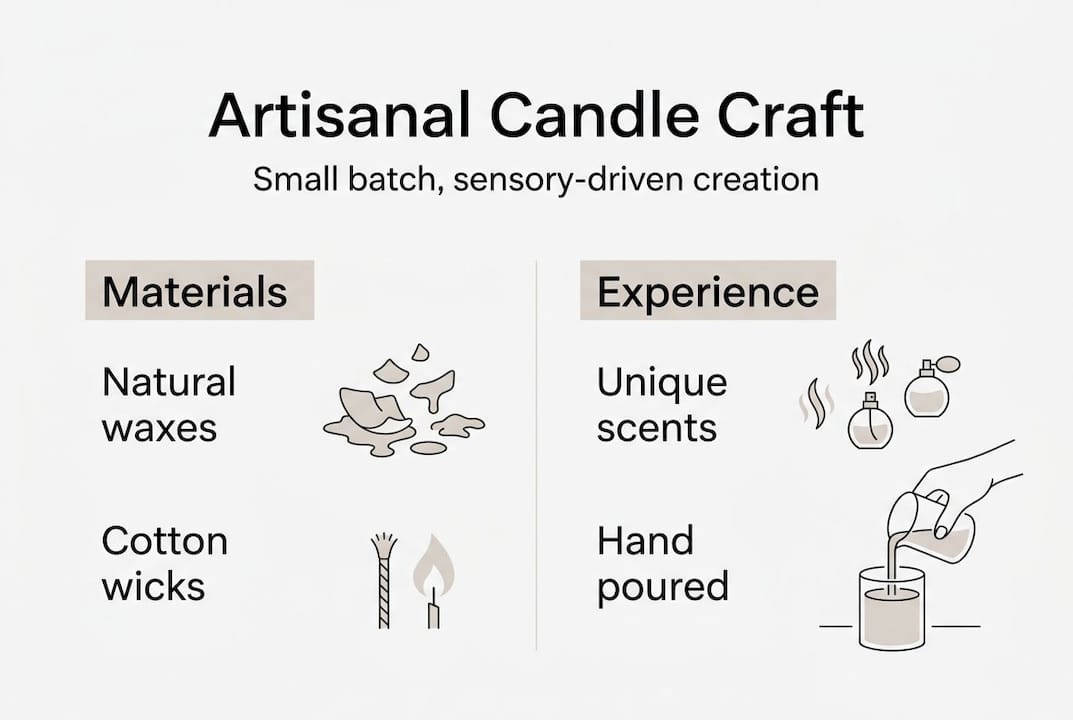
Artisanal candle making stands apart through its commitment to handcrafted quality and natural materials. Unlike factory production lines churning out thousands of identical units, artisanal makers pour each candle by hand in small batches, monitoring temperature, fragrance distribution, and wick placement with meticulous care. This hands-on approach ensures consistency whilst preserving the unique character that makes each candle special.
Natural waxes form the foundation of authentic artisanal candles:
- Rapeseed wax offers a renewable European alternative with exceptional burn quality and scent performance
- Soy wax provides clean burning properties and excellent fragrance retention
- Beeswax delivers natural honey notes and air-purifying benefits
- Coconut wax creates smooth texture and strong scent throw
The choice of wick matters profoundly for burn quality and safety. Cotton wicks provide reliable, steady flames whilst wooden wicks create atmospheric crackling sounds reminiscent of a fireplace. Artisanal makers select wick sizes based on wax type, container diameter, and fragrance load to ensure optimal performance without tunnelling or excessive smoking.
Pro Tip: Quality artisanal candles use wicks that match their wax composition perfectly. A properly sized cotton or wood wick creates an even melt pool across the entire surface, maximising fragrance release and burn time whilst preventing waste.
Authentic artisanal production rejects synthetic additives and shortcuts. Mass producers often add hardeners, UV inhibitors, and synthetic fragrance boosters to speed production and cut costs. Artisanal makers instead rely on premium natural materials and proper technique to achieve superior results. This commitment to purity means cleaner indoor air quality and healthier home environments.
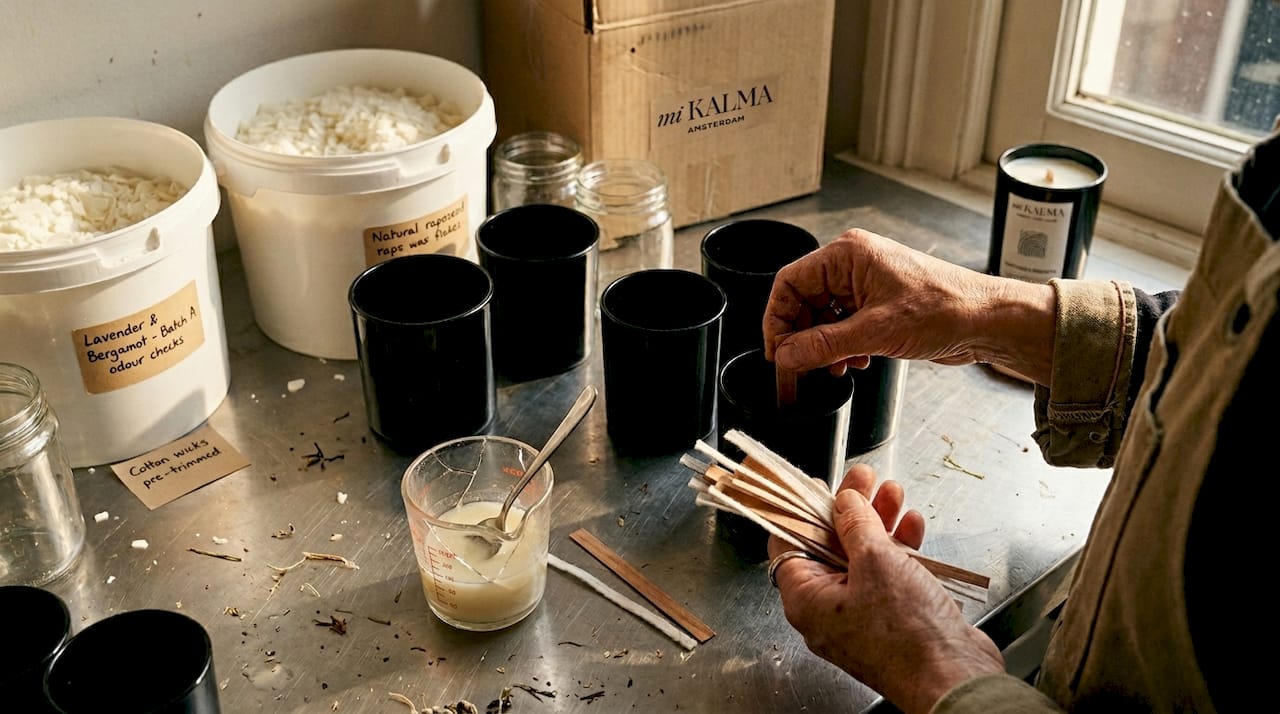
The sensory experience distinguishes artisanal candle making from industrial processes. Each candle reflects the maker’s expertise in balancing fragrance notes, selecting complementary wax bases, and timing the pour for ideal texture. Small-batch production allows experimentation with unique scent combinations and seasonal ingredients that large manufacturers cannot economically pursue.
The impact of artisanal candle making on wellness and sustainability
Natural wax candles reduce harmful indoor pollutants and offer therapeutic scent experiences that promote mindfulness. Paraffin-based mass-produced candles release petroleum byproducts when burned, contributing to indoor air quality concerns. Artisanal candles crafted from plant-based waxes burn cleaner, producing minimal soot and avoiding toxic emissions that can trigger respiratory sensitivities.
The wellness benefits of artisanal candles extend beyond clean burning:
- Thoughtfully blended fragrances support emotional wellbeing through aromatherapy principles
- Lighting a quality candle creates intentional pause, encouraging mindfulness and presence
- Natural scents derived from essential oils and botanical extracts offer authentic sensory experiences
- The ritual of candle care, trimming wicks and allowing proper burn time, becomes a meditative practice
- Premium candles transform ordinary spaces into sanctuaries for reflection and relaxation
Sustainability permeates every aspect of artisanal candle production. Small-batch makers prioritise renewable materials, often sourcing waxes from regional suppliers to minimise transport emissions. European rapeseed wax, for instance, comes from crops grown across the continent, offering lower environmental impact than imported alternatives whilst supporting local agriculture.
Artisanal candle making represents a conscious rejection of disposable consumer culture. Each candle embodies hours of craftsmanship, inviting users to slow down, appreciate quality, and engage meaningfully with their home environment.
Packaging choices reflect eco-conscious values. Artisanal brands favour recyclable glass containers, minimalist designs that reduce waste, and biodegradable shipping materials. This contrasts sharply with mass producers who often use excessive plastic packaging and non-recyclable composite materials. Choosing eco-friendly candles supports circular economy principles and reduces landfill contributions.
Supporting artisanal makers strengthens sustainable business models. Small producers typically maintain transparent supply chains, fair labour practices, and community connections that multinational corporations cannot replicate. Your purchase directly funds craftspeople who prioritise quality over quantity, preserving traditional skills whilst innovating responsibly.
Crafting your own artisanal candles: methods and essentials
Creating artisanal candles requires understanding fundamental techniques and quality materials. The process begins with selecting appropriate wax for your desired outcome. Rapeseed wax melts at lower temperatures than soy, typically between 50-60°C, whilst maintaining excellent fragrance retention and smooth finish. Effective candle crafting requires precise temperature control to prevent frosting, air bubbles, and uneven texture.
The essential steps for hand-pouring artisanal candles:
- Measure wax carefully, accounting for container size and desired fill level
- Melt wax using a double boiler to maintain consistent, gentle heat
- Monitor temperature with a reliable thermometer, avoiding overheating that degrades wax quality
- Add fragrance oils at the manufacturer’s recommended temperature, typically 5-10°C below pouring point
- Secure wick in container centre using a wick holder or centering device
- Pour wax slowly to minimise air incorporation and achieve smooth surface
- Allow candles to cure for minimum 48 hours before trimming and use
Fragrance selection defines your candle’s character and therapeutic properties. Premium artisanal makers use phthalate-free, paraben-free fragrance oils that comply with IFRA safety standards. Vegan formulations ensure no animal-derived ingredients, aligning with cruelty-free values. The optimal fragrance load varies by wax type, with most natural waxes performing best at 8-10% fragrance oil by weight.
Pro Tip: European-produced fragrance oils designed specifically for candle applications deliver superior hot throw and stability compared to generic fragrance oils. Test each scent blend in your chosen wax before committing to large batches, as performance varies significantly.
Wick selection demands attention to multiple factors. Container diameter, wax type, fragrance load, and desired burn time all influence the ideal wick size. Cotton wicks suit most natural waxes and provide reliable performance. Wooden wicks create ambiance through gentle crackling but require specific wax formulations for optimal results. Proper candle care and trimming extends burn time and maintains clean flames.
| Wax type | Ideal melt temp | Pour temp | Fragrance load | Cure time |
|---|---|---|---|---|
| Rapeseed | 50-60°C | 45-50°C | 8-10% | 48-72 hours |
| Soy | 70-80°C | 50-55°C | 6-10% | 72-96 hours |
| Coconut | 45-55°C | 40-45°C | 8-12% | 48 hours |
| Beeswax | 62-65°C | 60-63°C | 3-6% | 24-48 hours |
Container choice affects both aesthetics and functionality. Glass vessels allow visual appreciation of the candle whilst providing heat resistance and recyclability. Timeless black glass jars offer sophisticated appearance and protect light-sensitive fragrances. Ensure containers can withstand repeated heating cycles without cracking or releasing harmful substances.
Comparing artisanal and mass-produced candles
Mass-produced candles often contain paraffin and synthetic fragrances, lacking the craftsmanship and eco-benefits of artisanal options. The differences extend far beyond price point, touching every aspect from material sourcing to sensory experience. Understanding these distinctions empowers informed choices aligned with wellness and sustainability values.
Material quality represents the most fundamental difference. Industrial candle manufacturers favour paraffin wax derived from petroleum refining because it costs less and pours easily at scale. This petroleum-based material releases questionable compounds when burned and offers no environmental benefits. Artisanal makers invest in renewable plant-based waxes that burn cleaner, last longer, and support sustainable agriculture.
| Aspect | Artisanal candles | Mass-produced candles |
|---|---|---|
| Wax source | Natural plant-based (rapeseed, soy, coconut) | Petroleum-derived paraffin |
| Production | Hand-poured small batches | Automated factory lines |
| Fragrance | Premium phthalate-free oils, essential oils | Synthetic fragrance compounds |
| Burn quality | Clean, even, long-lasting | Often sooty, tunnelling, shorter |
| Environmental impact | Renewable, biodegradable, minimal waste | Non-renewable, packaging waste |
Production scale fundamentally shapes quality outcomes. Artisanal makers pour dozens or hundreds of candles per batch, maintaining direct oversight of every step. Factory production runs thousands of units hourly through automated systems optimised for speed rather than excellence. This industrial approach cannot accommodate the curing time, temperature precision, and individual attention that characterise premium candles.
Scent authenticity and complexity distinguish artisanal fragrances:
- Natural essential oils provide genuine botanical aromas with therapeutic properties
- Premium fragrance houses create sophisticated blends specifically for candle performance
- Small-batch production allows unique seasonal and limited-edition scents
- Proper fragrance load (8-10%) ensures strong room-filling presence without overwhelming
Mass producers typically use minimal fragrance to reduce costs, resulting in weak scent throw. They compensate with synthetic boosters that smell artificial and fade quickly. The benefits of handcrafted candles include authentic fragrances that evolve beautifully throughout the burn, revealing top, middle, and base notes like fine perfume.
Health considerations favour artisanal candles significantly. Clean-burning natural waxes produce minimal particulate matter and avoid releasing petroleum byproducts into your breathing space. Premium cotton wicks contain no lead or metal cores, eliminating toxic emissions. People with chemical sensitivities, allergies, or respiratory conditions often find artisanal candles far more tolerable than conventional alternatives.
Environmental sustainability extends beyond renewable wax sources. Artisanal brands typically use recyclable packaging, avoid excessive plastic, and maintain transparent supply chains. Supporting small makers keeps traditional crafts alive whilst funding businesses that prioritise ecological responsibility over maximum profit extraction.
Discover premium artisanal candles at mi KALMA
Experience the difference that genuine craftsmanship makes in your daily rituals. Mi KALMA creates natural wax candles in small batches in Amsterdam, using 100% European-sourced rapeseed wax selected after extensive testing for its superior burn quality and scent performance. Each candle embodies our commitment to wellness, sustainability, and the transformative power of mindful home fragrance.
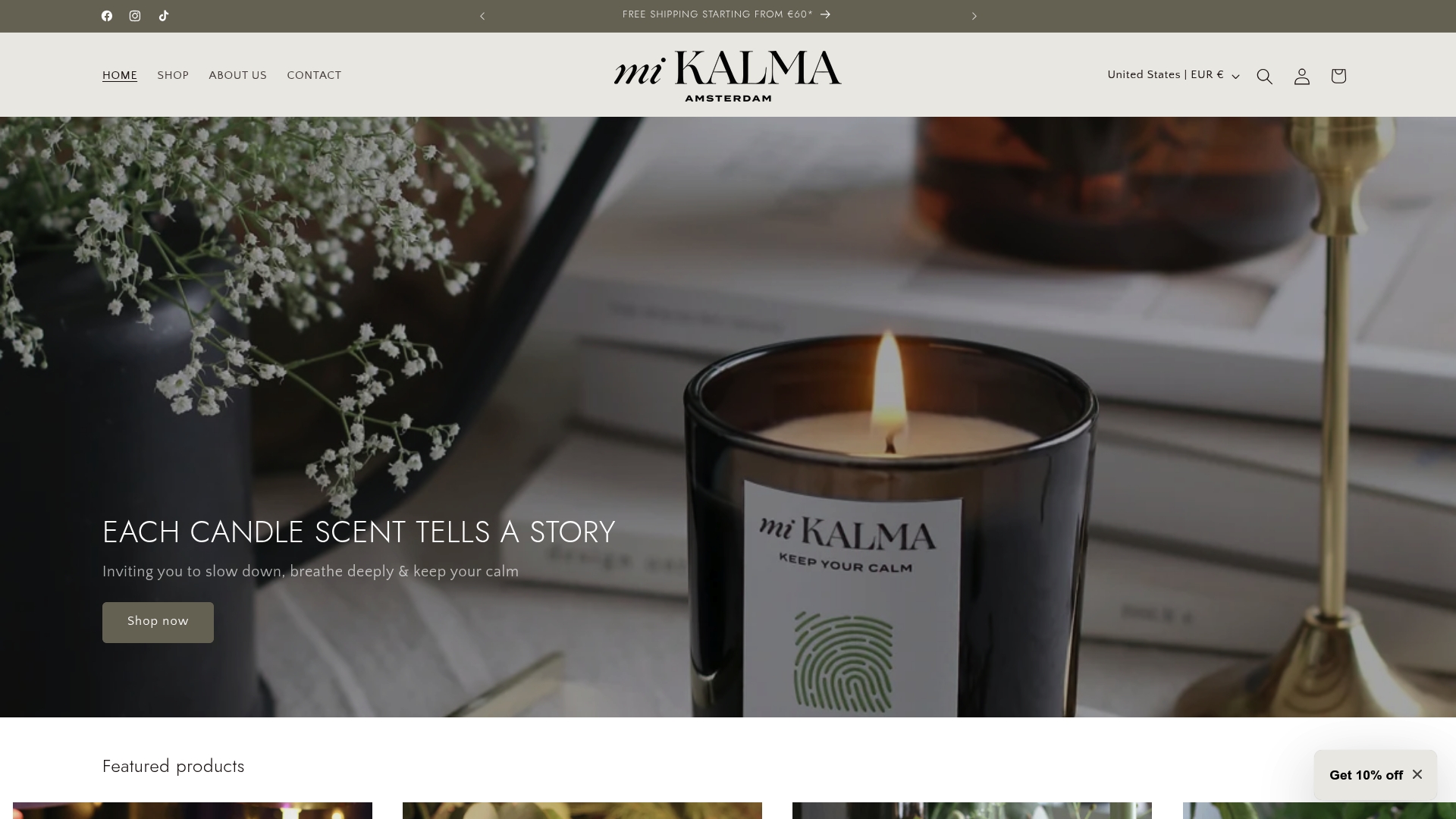
Our signature Sanctuary scented candle demonstrates how artisanal methods create extraordinary sensory experiences. Crafted with vegan, phthalate-free, IFRA-compliant fragrance oils produced in France, it fills your space with sophisticated scent whilst supporting your wellbeing. The timeless black glass jar complements any décor, and fully recyclable packaging reflects our eco-conscious values as a queer-owned small business dedicated to quality over quantity.
Frequently asked questions about artisanal candle making
What materials are best for artisanal candles?
Natural plant-based waxes like rapeseed, soy, coconut, and beeswax provide the best foundation for artisanal candles. Rapeseed wax offers exceptional European sustainability with superior burn performance. Pair quality wax with cotton or wooden wicks and phthalate-free fragrance oils for optimal results.
How long do artisanal candles typically burn?
Burn time depends on wax type, container size, and wick selection, but artisanal candles generally outlast mass-produced alternatives. A properly crafted 200g natural wax candle burns 40-50 hours with correct care. Premium materials and expert wick sizing maximise longevity whilst maintaining clean, even burns.
Are artisanal candles better for people with allergies?
Yes, artisanal candles suit sensitive individuals far better than conventional options. Natural waxes burn cleaner without petroleum byproducts, whilst phthalate-free fragrance oils reduce chemical exposure. People with respiratory sensitivities or fragrance allergies often tolerate quality artisanal candles without issues, though individual responses vary.
Can I personalise artisanal candle scents?
Many artisanal makers offer bespoke fragrance services for special occasions or personal preferences. Small-batch production allows flexibility that factory operations cannot match. You might collaborate with a maker to blend custom scents, select specific essential oils, or create signature fragrances for events or gifting.
How do I know if a candle is truly artisanal?
Authentic artisanal candles clearly state their wax source, production location, and batch size. Look for transparency about ingredients, hand-poured processes, and small-scale operations. Genuine makers proudly share their craft stories, material choices, and sustainability commitments rather than hiding behind vague marketing language.
Recommended
- Why artisanal candle making matters for wellness – mi KALMA
- Step-By-Step Guide to Choosing Scented Candles Easily – mi KALMA
- How to choose candles for eco-friendly wellness in 2026 – mi KALMA
- Candle Trimming: Elevate Rituals and Candle Performance – mi KALMA
- Defining coffee craftsmanship for premium brewing – House Coffee