

Why artisanal candle making matters for wellness
Rapeseed wax candles can cut carbon emissions by up to 40% compared to traditional paraffin ones. That’s a powerful reason to rethink your candle choices. Artisanal candle making combines sustainable European materials, ethical craftsmanship, and wellness benefits to create products that nourish both you and the planet. This guide explores how small-batch production, natural ingredients, and mindful design transform candles from simple decor into tools for relaxation and environmental responsibility.
Key takeaways
| Point | Details |
|---|---|
| Sustainable materials reduce environmental impact | Artisanal candles use European rapeseed wax and natural wicks with smaller carbon footprints than mass-produced paraffin alternatives. |
| Small-batch craftsmanship enhances quality | Handcrafted production reduces waste by up to 30% while ensuring superior burn quality and scent performance. |
| Natural scents support mindfulness rituals | Vegan, phthalate-free fragrance oils create calming atmospheres that enhance meditation and stress reduction. |
| Ethical production matters | Cruelty-free certifications, fair labor practices, and transparent sourcing protect communities and animals. |
| Informed choices balance cost and values | True value lies in sustainability, wellness benefits, and ethical manufacturing, not just price tags. |
Understanding artisanal candle making and its sustainability
Artisanal candle making represents a return to careful, intentional production. Small-batch producers handcraft each candle with attention to materials, design, and environmental impact. Unlike factory lines churning out thousands of identical products, artisanal makers focus on quality over quantity.
European rapeseed wax stands out as a sustainable choice. This renewable crop grows locally across Europe, dramatically reducing transportation emissions compared to imported alternatives like soy or paraffin. Rapeseed wax delivers a clean, long burn with exceptional scent throw, making it ideal for premium candles. After extensive testing of natural waxes, many artisanal makers choose rapeseed for its superior performance and environmental profile.
Small-batch production reduces waste by up to 30% compared to mass manufacturing. Quality control improves when makers oversee every step personally. They can adjust formulas, perfect burn times, and eliminate defects before products reach customers. This careful approach means fewer returns, less packaging waste, and stronger customer satisfaction.
The environmental advantages extend beyond materials:
- Lower carbon emissions from local sourcing and reduced transport
- Support for European agriculture and regional economies
- Minimal chemical additives compared to commercial paraffin candles
- Recyclable or reusable packaging that reduces landfill waste
- Energy-efficient production in small workshops versus industrial facilities
Choosing sustainable candles actively supports these environmental benefits. You’re not just buying a product; you’re investing in cleaner air, healthier ecosystems, and responsible manufacturing practices that prioritize planetary wellbeing.
Materials matter: comparing waxes and wicks in artisanal candles
Not all candle waxes offer equal sustainability or health benefits. Understanding your options helps you make choices aligned with your values. Here’s how the most common waxes compare:
| Wax Type | Sustainability | Burn Quality | Health Impact | Sourcing |
|---|---|---|---|---|
| Rapeseed Wax | Excellent – renewable European crop | Long, clean burn with superior scent throw | Minimal emissions, non-toxic | Locally grown across Europe |
| Soy Wax | Good – renewable but often imported | Decent burn, can have frosting issues | Generally safe but variable quality | Primarily imported from Americas |
| Beeswax | Moderate – natural but limited supply | Excellent burn, natural honey scent | Very safe, purifies air | Animal product, supply limited |
| Paraffin Wax | Poor – petroleum byproduct | Fast burn, strong scent | Releases harmful chemicals | Fossil fuel derived |
Rapeseed wax emerges as a European solution that balances performance with sustainability. Its lower carbon footprint comes from reduced transportation needs and renewable cultivation. The wax burns cleanly without releasing the toxic compounds associated with paraffin, making it safer for indoor air quality.
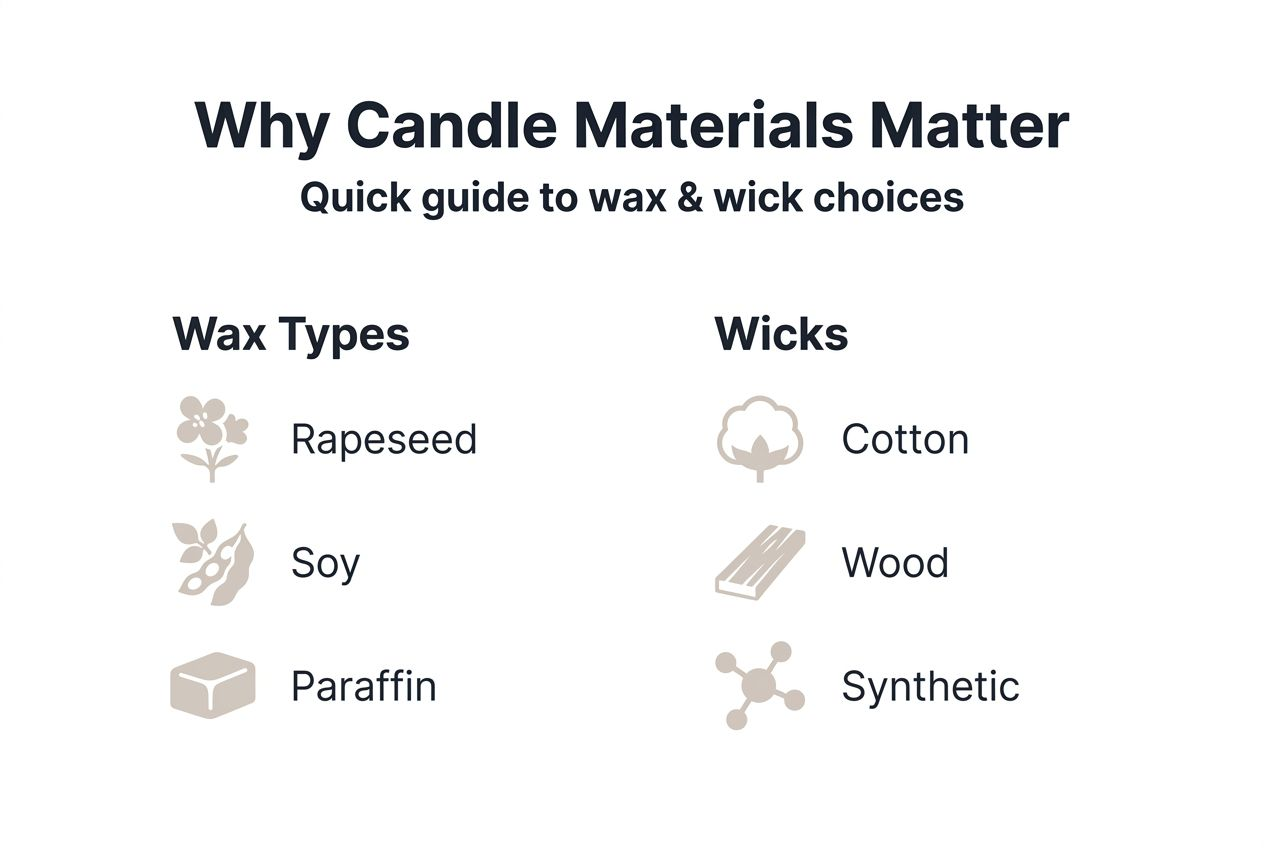
Wicks matter just as much as wax. Natural cotton or wood wicks burn cleaner than synthetic alternatives. Synthetic wicks often contain metal cores or chemical treatments that release particulate matter into your home. Natural wicks produce minimal smoke and avoid these health concerns entirely.
Local sourcing amplifies sustainability benefits. When materials travel shorter distances, carbon emissions drop significantly. Supporting regional producers also strengthens local economies and preserves traditional craftsmanship. European-made candles using European ingredients represent the gold standard for eco-conscious choices.
Pro Tip: Always verify label claims by checking for specific certifications like vegan, cruelty-free, or organic. Generic terms like “natural” or “eco-friendly” lack standardized definitions and may mislead consumers without proper documentation.
For detailed guidance on choosing scented candles based on material quality, explore comprehensive selection frameworks that evaluate wax type, wick composition, and fragrance safety together.
Mindfulness and wellness benefits of artisanal candles
Artisanal candles create multi-sensory experiences that support mental health and relaxation. The gentle flicker of flame, the subtle crackle of a wood wick, and the gradual release of fragrance all engage your senses simultaneously. This sensory richness anchors you in the present moment, making candles powerful tools for mindfulness practice.

Slow burn times encourage patience and presence. Unlike mass-produced candles that burn quickly and unevenly, artisanal versions use quality waxes that melt consistently over extended periods. You can light a candle at the start of meditation or yoga, knowing it will provide a steady focal point throughout your practice. The predictable burn creates reliability in your wellness routines.
Experts validate these calming effects. Aromatherapy research shows certain scents reduce cortisol levels and promote relaxation. When combined with the visual and auditory elements of a burning candle, these benefits multiply. Natural candles enhance this experience by eliminating synthetic chemicals that can trigger headaches or respiratory irritation.
Wellness benefits include:
- Stress reduction through sensory engagement and aromatherapy
- Improved sleep quality when used as part of evening wind-down rituals
- Enhanced meditation focus with flame gazing and scent anchoring
- Mood elevation from carefully chosen fragrance profiles
- Creation of sacred spaces that signal time for self-care
Scent profiles matter for different wellness goals. Lavender and chamomile promote sleep and calm. Citrus and mint energize and clarify thinking. Woodsy scents like cedar or sandalwood ground and center. Personalizing candle scents allows you to tailor your environment to specific emotional needs.
The ritual of lighting a candle signals your brain that it’s time to shift gears. This simple act creates boundaries between work and rest, chaos and calm. Over time, your body learns to associate the scent and sight of your chosen candle with relaxation, making the calming effect even more immediate. Premium candles support these rituals with consistent quality that deepens their impact.
Ethical and social dimensions of artisanal candle production
Ethical production extends beyond environmental concerns to encompass labor practices, animal welfare, and community impact. Artisanal candle makers often prioritize these values alongside sustainability, creating products that honor both people and planet.
Vegan and cruelty-free certifications guarantee no animal testing or animal-derived ingredients. Many artisanal producers choose plant-based waxes and synthetic alternatives to animal musk or ambergris in fragrances. These choices reflect compassion without compromising quality. French-made fragrance oils can be vegan, phthalate-free, paraben-free, and IFRA-compliant while delivering exceptional scent performance.
Fair labor practices characterize many European artisanal producers. Small workshops typically offer better working conditions than industrial factories. Workers receive fair wages, reasonable hours, and safe environments. When you support these businesses, you vote for humane treatment throughout the supply chain.
Positive economic impacts ripple through artisan communities:
- Jobs remain local rather than outsourced to cheaper labor markets
- Traditional skills pass to new generations of makers
- Small businesses reinvest profits in their communities
- Diverse ownership, including queer-owned businesses, flourishes in artisanal sectors
Transparency separates authentic ethical brands from those practicing greenwashing. Reputable makers openly share sourcing details, production locations, and certification documentation. They welcome questions about their practices and provide clear answers. This openness builds trust and allows consumers to verify claims independently.
Pro Tip: Contact brands directly with questions about their supply chain and labor practices. Companies with nothing to hide respond promptly with detailed information, while vague or defensive responses may signal problems.
Consumer responsibility completes the ethical equation. By choosing ethical and sustainable candles, you influence market demand and encourage more producers to adopt responsible practices. Your purchasing power shapes industry standards and rewards companies that prioritize values over maximum profit.
Common misconceptions about artisanal candles
Several myths discourage people from trying artisanal candles. Understanding the truth behind these misconceptions helps you make confident decisions based on facts rather than assumptions.
Myth one: Artisanal candles cost too much. While premium candles carry higher price tags than drugstore versions, they offer better value. Longer burn times mean you actually use less product over time. Superior ingredients create cleaner air in your home. The wellness benefits and ethical production justify the investment when you consider total value rather than upfront cost alone.
Myth two: All “natural” candles are equally sustainable. The natural label alone guarantees nothing about environmental impact. Soy wax sounds natural but often involves deforestation and long-distance shipping. Beeswax depends on honeybee exploitation in some operations. True sustainability requires examining the entire production chain, not just whether ingredients come from nature.
Myth three: Synthetic wicks burn just as cleanly as natural ones. Research shows synthetic wicks release more particulate matter and chemical compounds. Metal-core wicks can emit toxic fumes as they burn. Natural cotton or wood wicks avoid these problems entirely, providing safer indoor air quality.
Myth four: You must sacrifice scent strength for natural ingredients. Modern vegan fragrance oils deliver powerful hot throw without synthetic chemicals. French perfumers have perfected natural fragrance formulations that fill rooms effectively while remaining safe and sustainable. Quality natural candles match or exceed commercial versions in scent performance.
Myth five: Small-batch production means inconsistent quality. Actually, the opposite proves true. Small-batch makers test and adjust each production run, catching issues before they reach customers. Mass production prioritizes speed over perfection, leading to more defects and variations.
Balancing cost with ethical and wellness benefits requires shifting perspective. Premium handcrafted candles deliver experiences that justify their prices through multiple dimensions of value. Consider cost per hour of burn time, health impacts, environmental effects, and emotional benefits together rather than price alone.
How to choose the right artisanal candle for your needs
Selecting artisanal candles that truly align with your values requires systematic evaluation. Follow these steps to make informed choices:
-
Verify wax and wick materials first. Look for European rapeseed wax or other locally sourced natural options. Confirm natural cotton or wood wicks rather than synthetic alternatives. This foundation determines environmental impact and air quality.
-
Assess scent profiles for your wellness goals. Choose calming scents like lavender for evening relaxation. Select energizing citrus for morning rituals. Match fragrance to the emotional state you want to cultivate.
-
Check certifications and ethical claims. Verify vegan, cruelty-free, and sustainability certifications through independent organizations. Research the brand’s transparency about sourcing and labor practices.
-
Consider burn time and jar design. Longer burn times provide better value and reduce waste. Recyclable or reusable containers extend the product’s life beyond the candle itself. Timeless designs like black glass jars transition seamlessly between decor styles.
-
Evaluate fragrance safety standards. Confirm oils are phthalate-free, paraben-free, and IFRA-compliant. These standards protect your health while maintaining excellent scent performance.
-
Balance environmental impact with personal needs. Prioritize local production to minimize carbon footprint. Support small businesses and artisan communities when possible. Remember that perfect sustainability doesn’t exist; aim for meaningful improvement.
-
Test before committing to large quantities. Start with one candle to assess burn quality, scent throw, and personal enjoyment. Many artisanal makers offer sampler sizes or smaller formats for this purpose.
For comprehensive frameworks on selecting scented candles, explore guides that walk through each decision point with specific evaluation criteria. Understanding the full range of premium handcrafted candle benefits helps you appreciate what you’re gaining beyond simple fragrance.
Discover premium artisan candles tailored for wellness and sustainability
Finding candles that truly deliver on sustainability, wellness, and ethical production can feel overwhelming. mi KALMA simplifies this search by offering handcrafted candles that meet rigorous standards across all these dimensions. Founded in Amsterdam by Deins & Kriss, this queer-owned small business combines European craftsmanship with modern wellness principles.
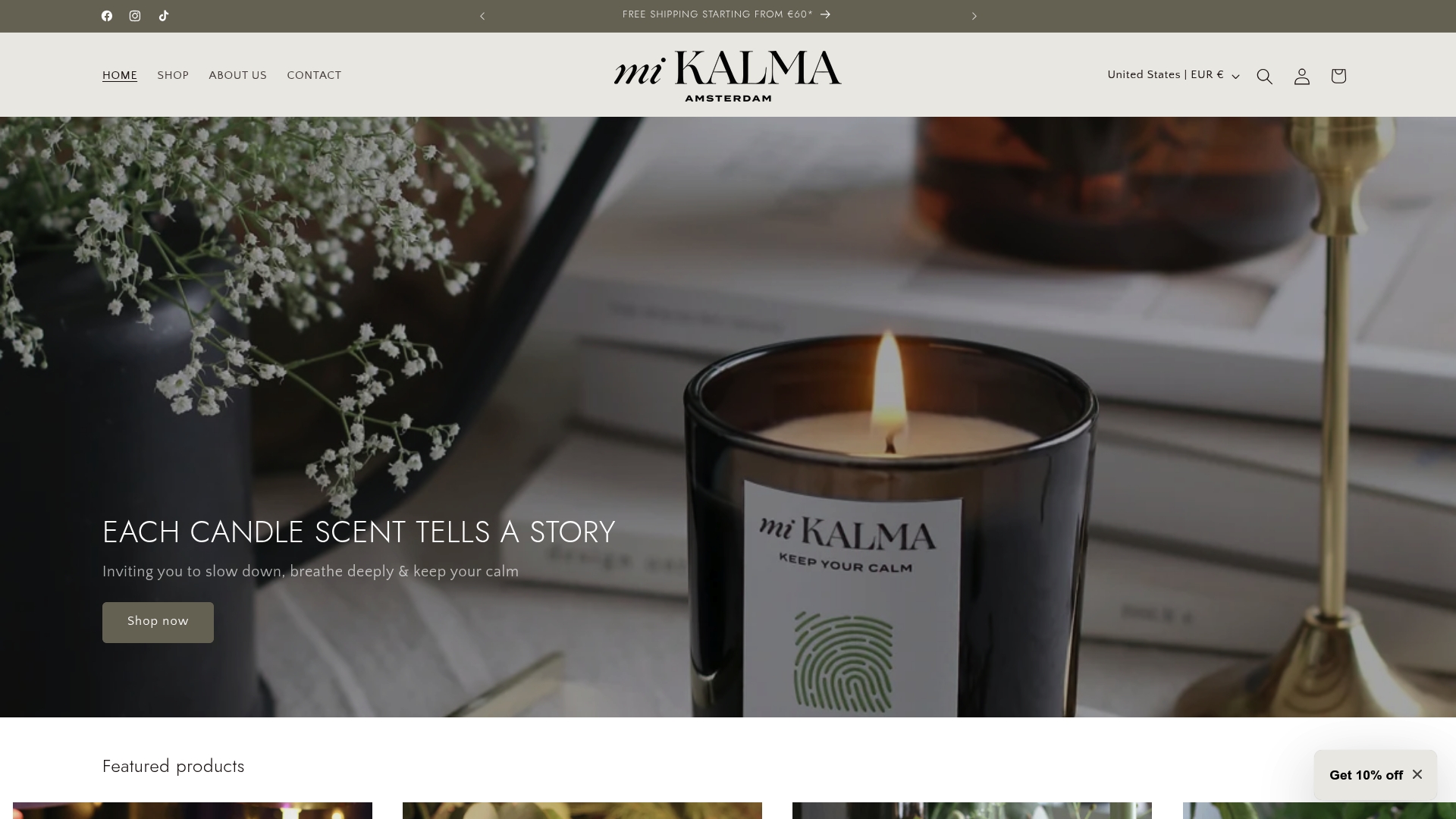
Every mi KALMA candle uses 100% natural European rapeseed wax, chosen after extensive testing for its clean burn and superior scent performance. Vegan fragrance oils designed in France deliver room-filling aromas without phthalates, parabens, or animal testing. Small-batch production in Amsterdam ensures quality control while supporting local artisans. Timeless black glass jars and recyclable packaging reflect the brand’s commitment to minimal waste.
Explore premium handcrafted candle benefits to understand how quality materials and ethical production create value beyond the candle itself. Discover why premium candles enhance wellness rituals through consistent performance and safe ingredients. Use the step-by-step guide to choosing scented candles to find scents that match your personal wellness goals.
Frequently asked questions
What makes artisanal candles more sustainable than commercial ones?
Artisanal candles prioritize sustainable materials like European rapeseed wax, which reduces transport emissions and supports local agriculture. Small-batch production cuts waste by up to 30% through better quality control and intentional manufacturing. Natural ingredients eliminate the toxic compounds found in paraffin candles, protecting both indoor air quality and the environment. These combined factors create a significantly smaller carbon footprint.
Are natural wicks always better than synthetic ones?
Natural cotton and wood wicks emit fewer harmful particles than synthetic alternatives, making them safer for indoor air quality. Synthetic wicks often contain metal cores or chemical treatments that release particulate matter and toxic compounds as they burn. Natural wicks provide cleaner combustion while supporting the candle’s overall sustainability profile. For wellness-focused rituals, natural wicks align better with health priorities.
How can I verify ethical claims on artisanal candles?
Look for third-party certifications like vegan, cruelty-free, and fair trade logos from recognized organizations. Research the brand’s transparency by checking whether they openly share sourcing locations, production methods, and labor practices. Contact companies directly with specific questions about their supply chain. Authentic ethical brands respond promptly with detailed information, while vague answers may indicate greenwashing.
Do artisanal candles really support wellness and mindfulness?
Yes, research validates that multi-sensory engagement from candles reduces stress and supports relaxation. The combination of visual flame, subtle sound, and aromatherapy creates anchors for mindfulness practice. Natural fragrance oils without synthetic chemicals avoid triggering headaches or respiratory issues. Consistent burn quality in artisanal candles makes them reliable tools for daily wellness rituals that signal your brain to shift into calmer states.
Why does rapeseed wax outperform other natural waxes?
Rapeseed wax delivers superior burn quality with longer, cleaner combustion and exceptional scent throw. As a European crop, it requires minimal transportation compared to imported alternatives like soy. Extensive testing shows rapeseed wax maintains stability across temperature variations while producing minimal soot. These performance advantages make it ideal for premium candles that balance sustainability with user experience.