

How to choose candles for eco-friendly wellness in 2026
You light a candle hoping for calm and clean air, but instead you get weak scent, black soot, and doubt about what you’re actually burning. Many candles labeled ‘natural’ fail true sustainability and safety standards, leaving eco-conscious consumers confused. This guide cuts through misleading claims to help you confidently select artisanal candles that align with your wellness values and environmental commitment.
Key takeaways
| Point | Details |
|---|---|
| Sustainable wax and certified wicks matter | OEKO-TEX certified cotton wicks reduce indoor toxins while renewable plant waxes lower environmental impact. |
| Natural fragrance beats synthetic | Phthalate-free, IFRA-compliant fragrance oils deliver wellness benefits and cleaner air versus chemical-laden alternatives. |
| Artisanal quality lasts longer | Small-batch handcrafted candles burn cleaner, release fragrance more effectively, and outperform mass-produced options. |
| Proper maintenance extends performance | Trimming wicks and creating full melt pools maximize burn time and scent throw while minimizing waste. |
| Avoid paraffin and vague labels | Paraffin releases carcinogens during burning; always verify ingredient transparency and third-party certifications. |
Introduction to sustainable candle choices
Eco-friendly candles use renewable, non-toxic ingredients sourced through sustainable practices. Unlike conventional candles made from petroleum derivatives, truly sustainable options rely on plant-based waxes like rapeseed, soy, or coconut, paired with natural fiber wicks and responsibly sourced fragrances. These materials minimize environmental harm during production and reduce indoor air pollutants when burned.
Artisanal candles stand apart through small-batch production and hands-on quality control. Each candle receives individual attention during pouring, wick placement, and curing, ensuring consistent burn performance and scent distribution. Mass-produced candles prioritize speed and cost over quality, often using cheaper materials and automated processes that sacrifice craftsmanship. Understanding why artisanal candle making matters for wellness and sustainability helps you recognize the difference.
Sustainability encompasses every component:
- Wax origin and carbon footprint from farming and transport
- Wick materials and chemical treatment processes
- Fragrance oil sourcing and synthetic additive content
- Packaging materials and end-of-life recyclability
Many brands slap ‘natural’ on labels without backing claims with transparent ingredient lists or certifications. Generic wellness language often masks poor quality materials or unsustainable practices. Learning to spot authentic sustainability markers protects you from greenwashing while supporting genuinely responsible makers. Consumers who grasp these distinctions make purchasing decisions that reflect their values, discovering why using sustainable candles creates meaningful change in their homes and beyond.
Essential prerequisites: what you need to know and have
Before selecting candles, understand the core materials that determine safety and sustainability. Plant-based waxes dominate the eco-friendly market, each with distinct characteristics. Soy wax, derived from soybeans, offers accessibility but often involves long-distance shipping and monoculture farming concerns. Rapeseed wax, grown extensively in Europe, provides a renewable alternative with shorter transport distances and excellent burn properties. Coconut wax burns slowly and cleanly but carries higher costs and tropical sourcing considerations.
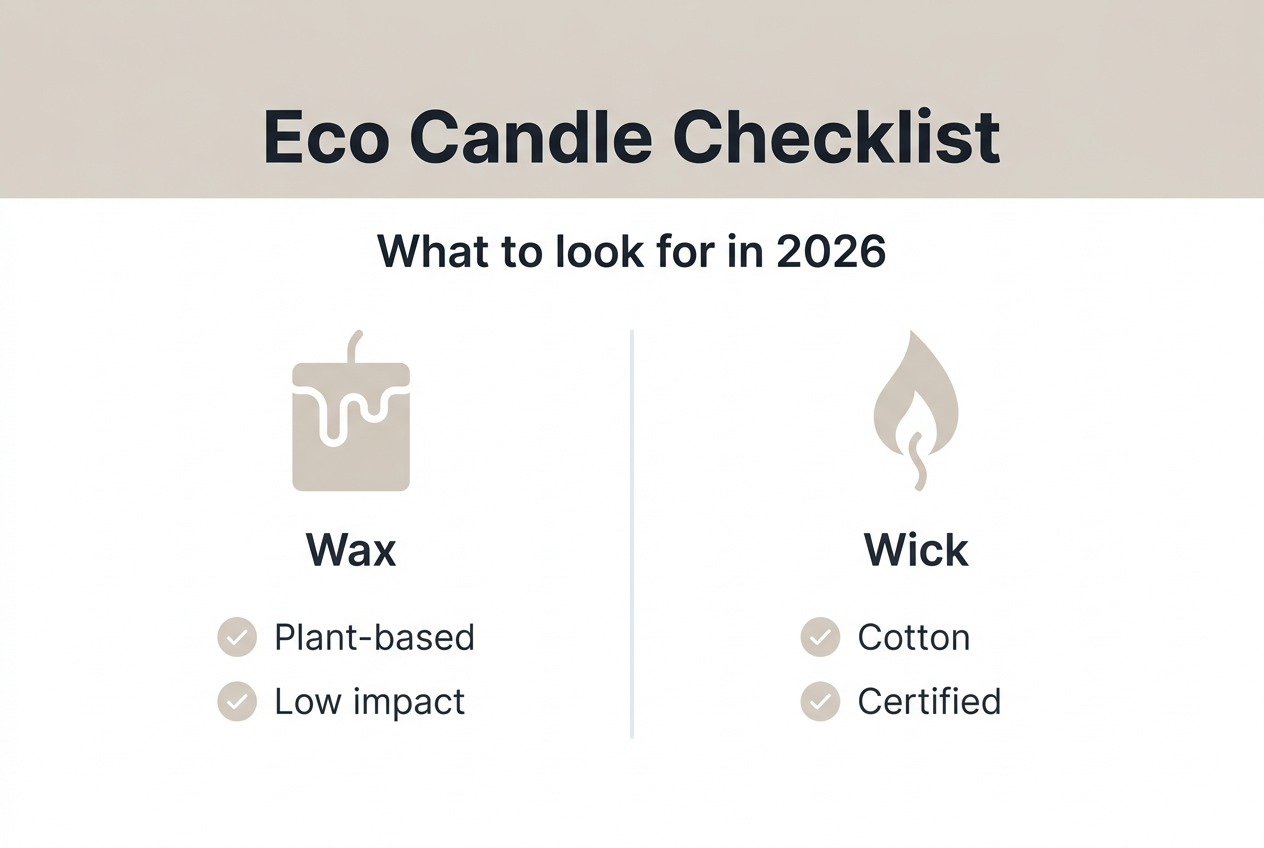
Wick material directly affects indoor air quality and burn performance. Cotton wicks remain the gold standard, especially when certified by OEKO-TEX Standard 100, which verifies freedom from harmful chemicals. This certification ensures wicks produce minimal soot and pollutants during burning. Avoid wicks with metal cores or synthetic fibers that release toxins into your breathing space. Paper-core wicks offer another clean option, though cotton generally provides more consistent burning.
Fragrance choices split between natural essential oils and synthetic compounds. Essential oils derived from plants offer aromatherapeutic benefits and fewer volatile organic compounds, though they may lack the complexity or strength of blended fragrances. High-quality synthetic fragrance oils, when phthalate-free, paraben-free, and IFRA-compliant, provide robust scent throw without compromising safety. Understanding why natural candle wax matters helps you evaluate the full ingredient picture.
Investing in proper accessories maximizes your candle experience:
- Wick trimmers ensure clean cuts at the optimal quarter-inch length
- Candle snuffers extinguish flames without smoke or wax splatter
- Lighters with long reach prevent finger burns and provide control
- Heat-resistant surfaces protect furniture during burns
Pro Tip: Store new candles in a cool, dark place for at least 48 hours before first use. This curing time allows wax and fragrance to fully bond, improving scent throw and burn consistency from the very first lighting.
Step-by-step guide to selecting your perfect candle
Start by investigating wax origin and production impact. European rapeseed wax offers advantages over imported alternatives through shorter supply chains and established sustainable farming practices. Check product descriptions for specific wax sources rather than vague ‘plant-based’ claims. Calculate the carbon footprint by considering both farming methods and transportation distances. Local or regional sourcing typically indicates lower environmental impact than intercontinental shipping.
Verify wick certification as your second priority. Look specifically for OEKO-TEX Standard 100 certification on cotton wicks, which guarantees testing for over 100 harmful substances. This certification appears on product labels or detailed ingredient lists from transparent manufacturers. Uncertified wicks may contain chemical treatments, lead cores, or synthetic blends that compromise air quality. Quality makers proudly display certification details rather than hiding behind generic safety language.
Evaluate fragrance composition with attention to safety standards and ingredient transparency. IFRA-compliant fragrance oils meet international safety guidelines for use in candles, ensuring appropriate dilution and safe combustion properties. Phthalate-free and paraben-free formulations eliminate hormone-disrupting chemicals from your indoor environment. The best candle wax for eco-friendly wellness in 2026 pairs with equally conscientious fragrance choices. Premium fragrance oils, particularly those designed in fragrance capitals like France, often deliver superior performance and room-filling scent at recommended concentrations around 10% of total weight.
Identify artisanal quality through production markers:
- Small-batch numbers or limited production runs
- Hand-poured descriptions with visible craftsmanship details
- Individual quality checks mentioned in brand story
- Attention to aesthetic details like smooth surfaces and centered wicks
- Direct maker connection through personalized packaging or notes
Review safety documentation and burning instructions carefully. Legitimate makers provide clear guidance on burn times, wick trimming, and safety precautions. Avoid products lacking this information or those with warnings about excessive soot or smoke. Ingredient lists should specify exact wax types, not industry jargon. Remember that paraffin wax releases carcinogenic compounds like benzene and toluene, making it unsuitable despite its prevalence in mass-market candles.
| Evaluation Factor | What to Look For | Red Flags |
|---|---|---|
| Wax Source | Specific plant origin, regional sourcing | Generic ‘natural’ claims, no origin details |
| Wick Type | OEKO-TEX certified cotton, paper core | Metal cores, synthetic fibers, no certification |
| Fragrance | IFRA-compliant, phthalate-free, paraben-free | Vague ‘essential oil blend’, synthetic warnings |
| Production | Small-batch, hand-poured, quality control | Mass production, automated processes |
| Safety Info | Clear burn instructions, ingredient transparency | Missing labels, excessive soot warnings |
Pro Tip: Contact makers directly with questions about sourcing and materials. Responsive, detailed answers signal transparency and expertise, while evasive or marketing-heavy responses suggest potential quality concerns. When you select candle scents for relaxation in 2026, prioritize brands that welcome your questions and provide substantive information.
Maintaining your candle for optimal performance and longevity
Trim wicks to approximately one-quarter inch before every lighting. This precise length prevents mushrooming, reduces soot production, and promotes even wax consumption. Use dedicated wick trimmers rather than scissors, which can leave ragged edges that burn unevenly. Make cuts when wax is cool and solid to avoid disturbing the melt pool or damaging the wick base.
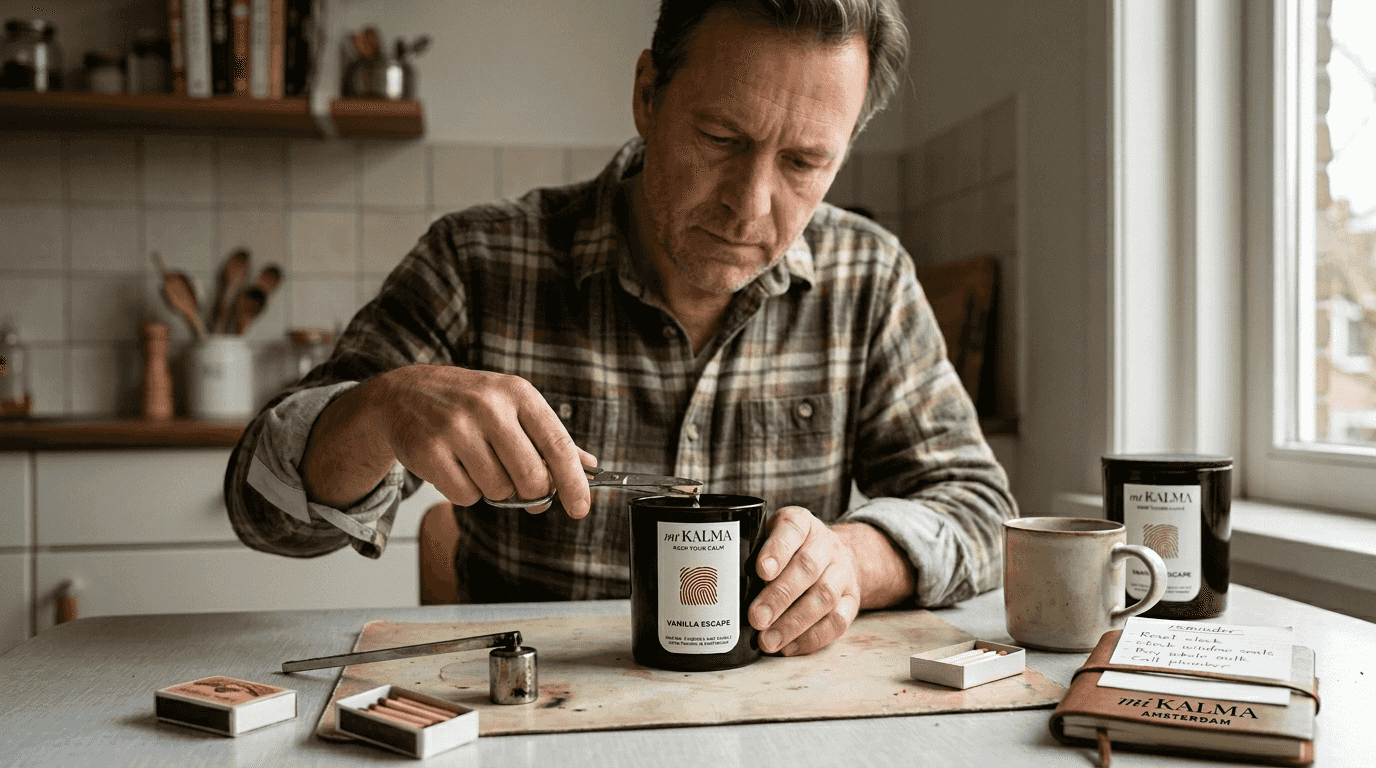
Burn candles long enough to create a complete melt pool reaching the container edges. This typically requires one hour per inch of diameter for the first burn, setting the wax memory for future sessions. Insufficient initial burns create tunneling, where wax along container walls remains unmelted and wasted. However, limit individual burn sessions to four hours maximum, allowing wax to cool and reset between uses. This practice prevents overheating that can weaken fragrance and degrade wax quality.
Position candles away from drafts, vents, and high-traffic areas. Air currents cause flickering flames that produce soot, create uneven burning, and reduce scent throw. Stable burning conditions maximize fragrance release while minimizing black residue on containers and surrounding surfaces. Choose level, heat-resistant surfaces that provide clearance from flammable materials above and around the candle.
Store unused candles properly to preserve both wax integrity and fragrance potency:
- Keep in cool environments below 80°F to prevent softening and warping
- Shield from direct sunlight that fades colors and degrades fragrance molecules
- Cover with lids or protective wrap to prevent dust accumulation and scent dissipation
- Position upright to maintain even wax distribution and wick alignment
Extinguish flames with a snuffer rather than blowing them out. Blowing creates smoke, splatters hot wax, and can disturb the melt pool. Snuffers starve flames of oxygen cleanly, eliminating smoke and mess while protecting your surrounding space. Wait until wax fully solidifies before moving candles, typically 30 to 60 minutes after extinguishing, to avoid spills and uneven surfaces.
Pro Tip: After extinguishing, straighten wicks while wax remains slightly warm but not liquid. This ensures the wick stands centered and upright for the next burn, promoting even flame and consistent melt pool formation. Exploring ways to use scented candles for wellness in 2026 reveals how proper maintenance amplifies both performance and benefits.
Common mistakes to avoid when choosing or using candles
Trusting ‘natural’ labels without verification leads to disappointing purchases. Marketing terms lack regulation, allowing brands to apply wellness language to products containing synthetic additives, petroleum-based waxes, or chemically treated wicks. Always demand specific ingredient lists, third-party certifications, and transparent sourcing information. Generic claims about ‘pure’ or ‘clean’ formulations mean nothing without supporting documentation.
Neglecting wick maintenance sabotages even premium candles. Long wicks create large, unstable flames that produce excessive soot, consume wax too quickly, and overheat containers. This buildup clouds glass, blackens ceilings, and introduces particulates into indoor air. Regular trimming takes seconds but dramatically extends candle life while maintaining clean burning. Set a pre-lighting ritual that includes wick inspection and trimming.
Continuing to use paraffin wax candles based on cost savings proves shortsighted. The petroleum derivative releases documented carcinogens during combustion, compromising the air quality you breathe for hours. Studies confirm natural candles cut 70% of toxic emissions compared to paraffin alternatives. Initial price differences become negligible when considering health impacts, longer burn times of quality waxes, and reduced soot cleaning.
Common usage errors that reduce performance:
- Burning in small, enclosed spaces without ventilation
- Placing multiple candles too close together, creating excessive heat
- Lighting partially used candles without trimming accumulated wick debris
- Moving candles while wax remains liquid, disturbing melt pools
- Storing candles in warm areas that soften wax and weaken scent
Ignoring burn time recommendations creates frustration and waste. Manufacturers test optimal burning durations for each candle size and wax type. Exceeding these guidelines can overheat containers, damage fragrance compounds, and create safety hazards. Conversely, extinguishing too early prevents full melt pool development and leads to tunneling. Following specific instructions for your candle ensures the experience makers designed.
Quality candles reward proper selection and care with consistent performance, clean air, and lasting fragrance that justify their premium positioning over mass-market alternatives.
Pro Tip: Document your candle experiences with notes about burn time, scent throw, and any issues. This personal reference helps you identify which brands, wax types, and fragrance families work best in your space, refining future purchases toward options that truly satisfy your preferences.
Expected benefits and outcomes of choosing eco-friendly artisanal candles
Cleaner indoor air quality represents the most immediate health benefit. Plant-based waxes produce minimal soot and particulates compared to petroleum alternatives, reducing respiratory irritants in your breathing space. Natural, properly formulated fragrances avoid hormone-disrupting chemicals and volatile organic compounds that accumulate in enclosed environments. Certified wicks eliminate metal and chemical emissions, creating genuinely clean combustion. These improvements particularly benefit individuals with sensitivities, allergies, or respiratory conditions.
Longer-lasting performance delivers better value despite higher initial costs. Quality waxes burn slower and more completely, often providing 30 to 50% more hours than cheap alternatives of similar size. Superior fragrance oils maintain strength throughout the candle’s life rather than fading after initial burns. Even burning prevents wax waste along container sides, ensuring you use every ounce you purchase. Extended burn times mean fewer replacements and reduced packaging waste over time.
Sustainable sourcing choices create measurable environmental impact. Supporting renewable crop-based waxes encourages agricultural practices that sequester carbon and avoid petroleum extraction. Regional sourcing reduces transportation emissions significantly compared to global supply chains. Recyclable containers and minimal packaging further reduce your consumption footprint. Small-batch production typically generates less waste than mass manufacturing focused on speed over efficiency.
Wellness and mindfulness benefits emerge through intentional candle rituals:
- Controlled lighting routines create moments of presence and calm
- Fragrance selection influences mood, focus, and relaxation responses
- Visual elements like flame watching support meditation and stress reduction
- Sensory experiences anchor daily transitions between activities or spaces
The cumulative effect of these benefits transforms candles from mere decor into functional wellness tools. You gain confidence in the products you bring into your home, knowing they align with your values around health, sustainability, and quality. Understanding why natural candles are better for wellness and environment reinforces these choices with evidence-based reasoning. Artisanal makers often embed their values into products, creating connections between your purchase and the communities and practices you support.
Pro Tip: Track your candle expenses and burn hours over several months. Compare the per-hour cost of premium artisanal candles versus cheaper alternatives, factoring in performance differences. Most eco-conscious consumers discover quality options provide better value while delivering superior experiences worth the investment.
Discover sustainable artisan candles at mi KALMA
You now understand what makes candles truly sustainable and how to evaluate quality before purchasing. Ready to experience the difference that genuine craftsmanship and transparent sourcing create? At mi KALMA, we hand-pour every candle in small batches using 100% European rapeseed wax, chosen after extensive testing for its clean burn, superior scent throw, and minimal environmental footprint. Our fragrance oils are vegan, phthalate-free, paraben-free, and IFRA-compliant, designed in France specifically for optimal candle performance.
Explore our candle collection featuring timeless black glass vessels and scents crafted to support mindfulness and daily rituals. Each candle uses OEKO-TEX certified cotton wicks and arrives in recyclable packaging from our Amsterdam workshop. Discover options like the SANCTUARY scented candle, designed to create calm spaces that reflect your wellness values. As a queer-owned small business, we’re committed to transparency, quality, and helping you make choices that matter.
Frequently asked questions
How can I verify that a candle is truly sustainable?
Look for transparent ingredient lists specifying exact wax types, wick materials, and fragrance sourcing rather than vague ‘natural’ marketing terms. Third-party certifications like OEKO-TEX for wicks or organic farming credentials for wax sources provide independent verification. Contact makers directly with specific questions about sustainability practices, as responsive, detailed answers indicate genuine commitment versus greenwashing.
What are the safest wick materials for indoor air quality?
OEKO-TEX Standard 100 certified cotton wicks represent the safest choice, tested for over 100 harmful substances and proven to produce minimal soot. Paper-core wicks offer another clean option with consistent burning properties. Avoid any wicks containing metal cores or synthetic fibers that release toxins during combustion, compromising the air you breathe throughout burn sessions.
Why should paraffin wax candles be avoided for health and sustainability?
Paraffin derives from petroleum processing and releases carcinogenic compounds like benzene and toluene when burned, directly polluting indoor air. Beyond health concerns, petroleum extraction carries significant environmental costs. Natural alternatives like rapeseed, soy, or coconut wax offer renewable, cleaner-burning options that support both personal wellness and environmental responsibility without compromising performance or fragrance quality.
How can I improve the longevity and scent throw of my candle?
Trim wicks to one-quarter inch before each use to ensure clean, even burning that maximizes both burn time and fragrance release. Create a complete melt pool reaching container edges during every burn session, preventing wax waste and tunneling. Position candles away from drafts in stable environments and follow manufacturer guidelines for optimal burn durations. Proper storage in cool, dark places preserves fragrance potency between uses. Learning ways to use scented candles for wellness in 2026 helps you maximize both performance and benefits.