

Master evening relaxation rituals with artisan scents
Finding genuine calm at the end of a demanding day remains elusive for many. You might lie awake replaying conversations, scrolling endlessly, or simply feeling unable to switch off. Evidence suggests that aromatherapy reduces cortisol and improves sleep quality when incorporated into consistent evening rituals. This article reveals how artisan, eco-friendly scents transform your bedtime routine into a restorative practice. You’ll discover specific essential oils backed by research, compare their benefits, and learn to create an environment that genuinely supports relaxation and mindfulness.
Key takeaways
| Point | Details |
|---|---|
| Aromatherapy lowers stress | Lavender and chamomile reduce cortisol levels and enhance sleep quality through proven neurological pathways. |
| Eco-friendly fragrances matter | Natural essential oils eliminate toxic exposure whilst aligning with wellness values and sustainability commitments. |
| Specific scents deliver results | Rosa damascene, lavender and chamomile show measurable anxiety reduction and sleep improvements in clinical studies. |
| Consistent rituals work | Regular evening practices improve sleep efficiency, reduce morning fatigue and create predictable relaxation triggers. |
| Environment amplifies benefits | Dim lighting, controlled temperature and minimal noise combine with scent to maximise ritual effectiveness. |
Criteria for effective evening relaxation rituals
Choosing evening rituals requires more than intuition. You need evidence that your chosen practices actually reduce stress and improve sleep quality. Scientific validation separates genuine solutions from wellness trends that promise much but deliver little.
Effectiveness starts with measurable outcomes. Aromatherapy reduces cortisol and increases slow-wave sleep, the restorative phase your body needs most. Look for rituals backed by peer-reviewed research showing hormonal changes, brain wave patterns or sleep architecture improvements. Anecdotal benefits matter less than reproducible results across diverse populations.
Quality of ingredients determines safety and efficacy. Pure essential oils contain complex molecular compounds that interact with your limbic system, whilst synthetic fragrances merely mask odours without therapeutic benefit. Low-quality essential oils or synthetic fragrances negate potential benefits and may introduce harmful chemicals into your breathing space. Artisan producers who disclose sourcing, extraction methods and testing protocols deserve your trust and investment.
Sustainability reflects your broader wellness values. Eco-friendly practices reduce environmental harm whilst often indicating higher product standards. Natural waxes like European rapeseed wax offer renewable alternatives to petroleum-based paraffin, burning cleaner with lower transport footprints than imported options. Small-batch production ensures quality control that mass manufacturing cannot match.
Pro Tip: Start with one ritual and practise it consistently for three weeks before adding others. Your nervous system needs repetition to recognise relaxation cues, and individual preferences vary significantly in aromatherapy responses.
Ease of practice determines long-term success. Complex rituals requiring extensive preparation often get abandoned during busy periods. Choose practices you can complete in 15 to 20 minutes with minimal setup. Lighting a carefully selected candle takes seconds but creates lasting sensory anchors for relaxation. Explore how to personalize candle scents naturally to match your specific needs and preferences.
Consistency matters more than perfection. Your body responds to predictable patterns by preparing for rest when familiar cues appear. Missing occasional evenings won’t derail progress, but frequent skipping prevents your nervous system from forming strong associations between ritual and relaxation.
Top artisan evening relaxation rituals with eco-friendly scents
Specific rituals combining aromatherapy with mindful practices deliver measurable improvements in stress levels and sleep quality. These evidence-backed options use artisan, eco-friendly products that align with wellness values whilst providing genuine therapeutic benefits.
Lavender and chamomile aromatherapy ritual
Clinical research confirms that lavender and chamomile reduce anxiety and improve sleep quality through direct effects on your nervous system. Linalool and linalyl acetate, key compounds in lavender, cross the blood-brain barrier and modulate neurotransmitter activity. Light a natural wax candle infused with these essential oils 30 minutes before bedtime. The gradual scent diffusion creates a gentle transition from activity to rest.
Chamomile contains apigenin, which binds to benzodiazepine receptors in your brain, producing mild sedative effects without pharmaceutical side effects. Combining both scents creates synergistic benefits that exceed either used alone. Choose candles with 10% fragrance oil concentration for strong room-filling performance without overwhelming sensitive individuals.
Rosa damascene relaxation practice
Emerging evidence shows Rosa damascene aromatherapy reduces anxiety symptoms and improves sleep quality comparably to established options. This makes it ideal for those who find lavender too common or prefer floral complexity. The scent profile includes over 300 aromatic compounds creating depth that simple fragrances lack.
Rosa damascene works particularly well for individuals experiencing anxiety-related sleep disturbances. Its complex aroma engages multiple olfactory receptors, potentially explaining its robust effects. Pair this scent with gentle stretching or progressive muscle relaxation for enhanced benefits. Discover various types of candle scents for mindful relaxation to find your ideal match.
Eco-friendly candle meditation
Natural wax candles provide focal points for meditation whilst delivering aromatherapeutic benefits. European rapeseed wax burns cleaner than paraffin, releasing no petroleum byproducts into your breathing space. The renewable crop requires less transport than imported alternatives, reducing environmental impact whilst supporting regional agriculture.
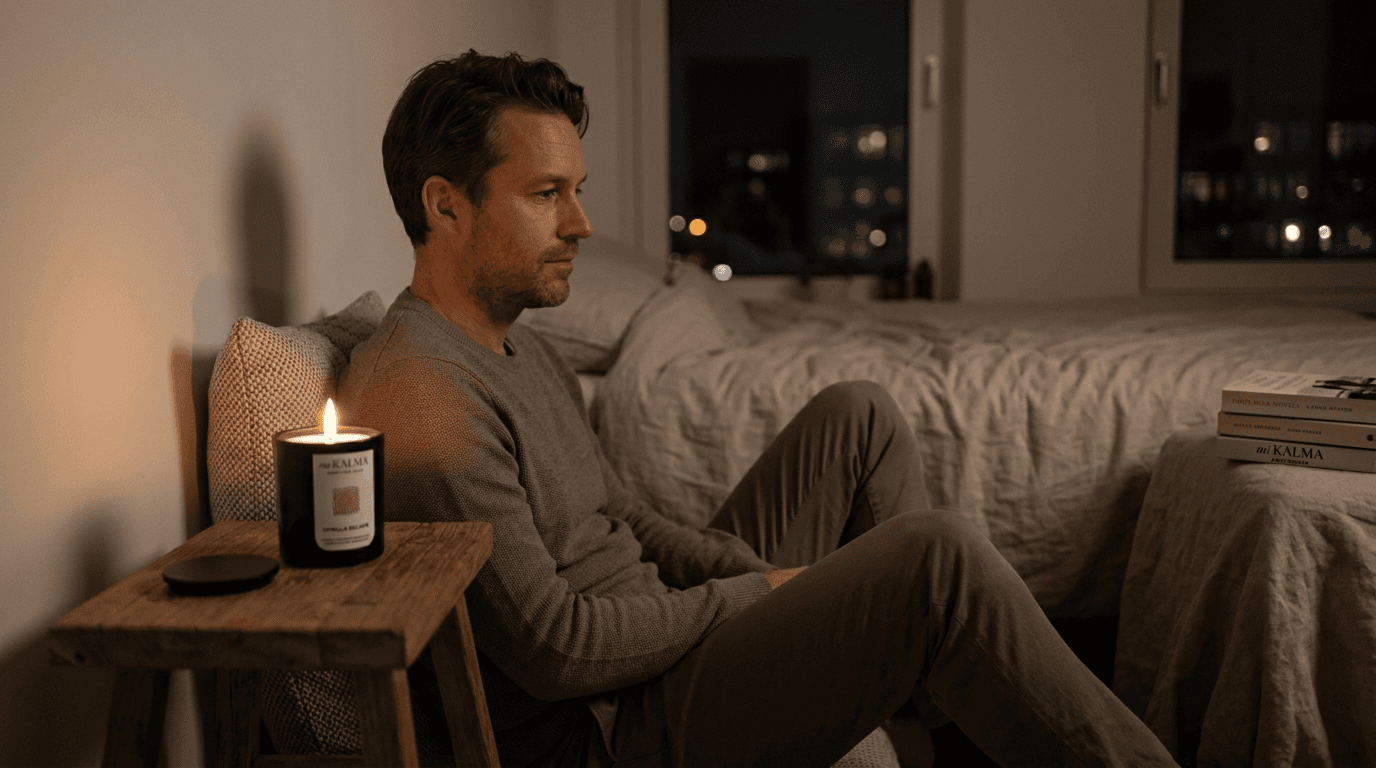
Sit comfortably 1 to 2 metres from your lit candle. Focus on the flame’s movement whilst breathing deeply and slowly. The combination of visual focus, controlled breathing and therapeutic scent creates multiple relaxation pathways. This practice suits beginners who find silent meditation challenging, as the flame provides a concrete attention anchor.
Pro Tip: Choose candles in timeless black glass jars that block light pollution after bedtime. The containers become reusable storage once the candle finishes, extending their lifecycle and reducing waste.
Comprehensive evening wind-down sequence
Combine multiple elements for maximum effect. Dim lighting 90 minutes before sleep to support melatonin production. Light your chosen artisan candle and spend 10 minutes stretching major muscle groups. Follow with 5 minutes of mindful breathing, inhaling for four counts and exhaling for six.
Evening relaxation rituals improve sleep quality and reduce stress markers when practised consistently over time. The sequence trains your body to recognise bedtime approaching, initiating physiological changes that facilitate sleep onset. Learn more about candle aroma therapy science and sustainability to understand the mechanisms behind these benefits.
| Ritual Component | Duration | Primary Benefit |
|---|---|---|
| Dim lighting | 90 min before sleep | Supports melatonin production |
| Artisan candle lighting | 30-45 min | Aromatherapeutic stress reduction |
| Gentle stretching | 10 min | Releases physical tension |
| Mindful breathing | 5-10 min | Activates parasympathetic nervous system |
| Total sequence | 15-20 min active | Comprehensive relaxation preparation |
Compare popular evening aromas and their benefits for relaxation
Different essential oils trigger distinct neurological and emotional responses. Understanding these variations helps you select scents matching your specific relaxation needs and personal preferences.
Specific scents influence emotional states via the limbic system, the brain region processing emotions and memory. Olfactory receptors connect directly to the amygdala and hippocampus, bypassing the thalamus unlike other senses. This explains why scents trigger immediate emotional responses and vivid memories.
Lavender: the research champion
Lavender reduces cortisol and stress through well-documented mechanisms. It increases alpha and theta brain wave activity associated with relaxation and light sleep stages. Over 200 studies validate its anxiolytic and sedative properties, making it the most evidence-backed option for evening use. The scent suits most individuals, though some find it overly floral or reminiscent of cleaning products.
Chamomile: gentle and soothing
Chamomile delivers anxiety relief with a softer, herbaceous profile than lavender. Its apple-like undertones create comforting associations for many users. The scent works particularly well for individuals experiencing digestive discomfort alongside stress, as chamomile traditionally supports both nervous and digestive systems. It blends beautifully with lavender for enhanced effects.
Rosa damascene: complex and luxurious
This sophisticated floral offers strong anxiety and sleep benefits with a premium sensory experience. The multi-layered aroma evolves as the candle burns, maintaining interest during longer relaxation sessions. It appeals to those seeking elegant, distinctive scents rather than common wellness fragrances. The complexity makes it ideal for mindful practices requiring sustained attention.
Citrus scents: uplifting but less calming
Citrus uplifts mood through limonene, which increases serotonin and dopamine. Whilst beneficial for morning energy, citrus scents generally provide less sedative effect than florals. Some individuals find them too stimulating for evening use. Consider citrus blends with calming base notes if you enjoy the brightness but need relaxation support.
Vanilla: comfort and nostalgia
Vanilla comforts through associations with warmth, sweetness and safety. Vanillin triggers pleasure responses in the brain, reducing stress through positive emotional states rather than direct sedation. It works well for individuals whose anxiety stems from feeling unsafe or unsettled. The familiar scent rarely triggers negative reactions, making it suitable for shared spaces.
| Essential Oil | Primary Effect | Emotional Impact | Best For |
|---|---|---|---|
| Lavender | Cortisol reduction, sleep enhancement | Calm, peaceful | General anxiety and sleep issues |
| Chamomile | Anxiety relief, gentle sedation | Soothing, comforting | Nervous tension and digestive stress |
| Rosa damascene | Anxiety reduction, sleep quality | Luxurious, centring | Complex stress and mindful practice |
| Citrus | Mood elevation, energy | Uplifting, refreshing | Morning use or mild evening stress |
| Vanilla | Stress relief through comfort | Warm, safe, happy | Anxiety from uncertainty or change |
Explore how to select candle scents for relaxation based on your specific needs and preferences. Individual responses vary, so experimentation helps identify your ideal evening aroma.
Creating a mindful environment to boost evening rituals
Your physical environment significantly influences ritual effectiveness. Small adjustments to lighting, sound and temperature create conditions that support rather than hinder relaxation and sleep preparation.
Light exposure directly affects melatonin production, your body’s primary sleep hormone. Blue wavelengths from screens and bright overhead lighting suppress melatonin secretion, delaying sleep onset and reducing sleep quality. Dim lighting to amber or red tones 90 minutes before bedtime. Candles provide ideal evening illumination, offering warm light without electronic stimulation.
Noise disrupts the transition from wakefulness to sleep even when you don’t consciously notice it. Minimising noise is crucial for quality rest and effective relaxation practices. If complete silence feels uncomfortable, consider soft nature sounds or white noise at low volumes. These mask sudden noises without providing engaging content that captures attention.
Temperature regulation matters more than most realise. Your core body temperature naturally drops during sleep initiation. Maintaining bedroom temperature around 18 to 20°C supports this physiological process. Rooms that are too warm prevent the necessary temperature decline, whilst excessive cold causes discomfort that fragments sleep.
Combining environmental optimisation with scent rituals creates powerful synergy. Light your artisan candle in a cool, quiet, dimly lit space. The multi-sensory experience signals your nervous system more effectively than any single element alone. Your brain learns to associate this specific environment with rest, strengthening the relaxation response over time.
Discover how to create calming home atmosphere with candles that support your evening practices. Small environmental changes compound over weeks and months, producing substantial improvements in sleep quality and stress levels. For additional support, explore melatonin free sleep supplements that complement environmental and aromatherapy approaches.
Explore artisan eco-friendly candles for your evening rituals
Transforming knowledge into practice requires the right tools. Mi KALMA offers handcrafted candles designed specifically for relaxation and mindfulness, using 100% natural European rapeseed wax that burns cleaner and longer than imported alternatives.
Our fragrance oils are vegan, phthalate-free, paraben-free, cruelty-free and IFRA-compliant, designed and produced in France for superior performance. We use 10% fragrance oil concentration, delivering strong room-filling scent that mass-produced paraffin candles using 2 to 3% cannot match. Each candle becomes a daily ritual creating genuine calm.
Explore the mi KALMA candle collection to find scents matching your relaxation needs. The Sanctuary scented candle offers grounding aromatherapy for evening wind-down, whilst Floral Whisper provides delicate complexity for mindful meditation. Timeless black glass jars and recyclable packaging reflect our commitment to sustainability and thoughtful design. As a queer-owned small business based in Amsterdam, we craft each candle in small batches to ensure quality that supports your wellness journey. Visit mi KALMA to discover how artisan candles transform your evening rituals.
Frequently asked questions
What essential oils are best for evening relaxation?
Lavender, chamomile and Rosa damascene top the list for stress relief and improved sleep, backed by clinical research showing measurable cortisol reduction and sleep quality improvements. Sandalwood and frankincense offer alternative options depending on personal preference and specific relaxation needs. Choose pure essential oils rather than synthetic fragrances to ensure therapeutic benefits.
How do eco-friendly candles improve the relaxation experience?
They reduce exposure to synthetic chemicals and petroleum byproducts found in paraffin candles, creating cleaner air in your breathing space during evening rituals. Natural waxes like European rapeseed wax support wellness values through sustainable sourcing and renewable crop cultivation. The alignment between your environmental principles and product choices enhances psychological satisfaction with your relaxation practice.
Can evening rituals really improve sleep quality?
Consistent evening rituals reduce stress hormones and support melatonin production through predictable patterns your nervous system learns to recognise. Scientific studies confirm sleep quality improvement from aromatherapy combined with mindful practices, showing measurable changes in sleep architecture and morning fatigue levels. The key lies in regular practice over weeks rather than expecting immediate transformation.
What environmental factors enhance evening relaxation rituals?
Use dim amber or red-toned lighting, minimise noise or use soft nature sounds, and maintain bedroom temperature around 18 to 20°C for optimal conditions. Combining these environmental adjustments with scent rituals creates multi-sensory signals that prepare your nervous system for rest more effectively than any single element alone. Small changes compound over time, producing substantial improvements in relaxation effectiveness and sleep onset speed.
Recommended
- 6 Distinct Types of Candle Scents for Mindful Relaxation – mi KALMA
- Select Candle Scents for 30% More Relaxation in 2026 – mi KALMA
- Create a calming home atmosphere with premium candles – mi KALMA
- How candles enhance self-care and relaxation in 2026 – mi KALMA
- Manuka Honey Chamomile Tallow Body Balm – LUMIEVE
- Come creare la bottiglia della calma: guida passo passo per ridurre lo – Sara Conti