

Candle aroma therapy explained: science and sustainability
Candle aroma therapy harnesses the power of natural scents to influence mood, reduce stress, and enhance mindfulness practices. While the ancient use of aromatic plants in ceremonies dates back millennia, modern understanding reveals how essential oil compounds interact with brain pathways to deliver measurable wellness benefits. Yet confusion persists about which candles truly provide therapeutic value versus those that simply smell pleasant or worse, emit harmful chemicals into your home.
Key takeaways
| Point | Details |
|---|---|
| Scent influences emotions | Candle aroma stimulates the olfactory system, directly communicating with the limbic brain centers controlling mood and memory. |
| Natural waxes burn cleaner | Eco-friendly options like European rapeseed wax release fewer toxic VOCs than paraffin, supporting healthier indoor air quality. |
| Synthetic fragrances pose risks | Mass-market candles often contain chemical compounds that trigger respiratory irritation and headaches. |
| Essential oils deliver benefits | Natural plant-based scents like lavender can improve relaxation by 30-40% when used mindfully. |
| Mindful use amplifies effects | Intentional candle rituals during meditation or quiet reflection maximize therapeutic value and safety. |
Introduction to candle aroma therapy
Candle aroma therapy represents the intentional use of scented candles crafted with natural essential oils to support emotional and mental well-being. This practice extends beyond simply enjoying pleasant fragrances. It connects ancient wisdom with modern neuroscience to create meaningful wellness rituals.
Historically, cultures worldwide burned aromatic plants and resins during spiritual ceremonies, healing practices, and meditation. Ancient Egyptians used frankincense and myrrh, while traditional Chinese medicine incorporated herbal incense to balance energy and calm the mind. These practices recognized what science now confirms: scent profoundly affects our emotional state and physiological responses.
The connection between smell, memory, and emotion runs deeper than any other sense. A single whiff can transport you to a childhood memory or shift your mood instantly. This happens because your olfactory system links directly to the limbic system, your brain’s emotional control center.
Traditional aromatic practices that laid the foundation for modern candle aroma therapy include:
- Burning sacred resins like copal and sandalwood during spiritual rituals
- Using lavender bundles to promote restful sleep and ease anxiety
- Lighting chamomile and rose-infused candles for meditation and reflection
- Incorporating eucalyptus and pine scents to clear respiratory passages and sharpen focus
Understanding these historical roots helps frame candle aroma therapy not as a trend, but as a time-tested approach to wellness now supported by scientific evidence. The key difference today lies in accessing pure, sustainably sourced materials that deliver consistent therapeutic benefits without harmful additives.
How candle aroma therapy works: scientific principles
When you light a natural aroma therapy candle, volatile aromatic compounds vaporize and enter your nasal cavity. Specialized olfactory receptors detect these scent molecules and convert them into electrical signals. These signals travel directly to your limbic system, bypassing the thalamus that filters other sensory input.
This direct pathway explains why scent triggers such immediate emotional responses. Your amygdala processes the emotional significance while your hippocampus links the scent to memories. Aroma therapy stimulates the olfactory system, communicating directly with limbic centers that regulate emotions and physiological responses like heart rate and stress hormone production.
Natural essential oil candles release beneficial VOCs that promote relaxation and improve sleep quality. Lavender’s linalool and linalyl acetate compounds interact with neurotransmitter systems to reduce anxiety. Bergamot contains limonene that elevates mood. Sandalwood’s santalol compounds calm racing thoughts.
Key mechanisms behind candle aroma therapy’s effectiveness:
- Scent molecules bind to olfactory receptors, triggering neural pathways to emotional brain centers
- Essential oil compounds modulate neurotransmitter activity, influencing stress and mood regulation
- Aromatic rituals create positive associations, conditioning relaxation responses through repeated practice
- Multi-sensory engagement with candlelight and scent amplifies mindfulness and present-moment awareness
Research demonstrates measurable physiological changes during aroma therapy. Heart rate variability improves, cortisol levels decrease, and alpha brain wave activity associated with relaxation increases. These aren’t subjective feelings but quantifiable shifts in your body’s stress response.
“The olfactory system’s unique direct access to emotional processing centers makes scent-based interventions particularly effective for mood regulation and stress reduction.”
True aroma therapy candles differ fundamentally from conventional scented products. They use concentrated plant essences at therapeutic levels, not synthetic fragrance chemicals designed merely to smell pleasant. This distinction matters enormously for both efficacy and safety.
Choosing eco-friendly candles: materials and environmental impact
The wax base determines both your candle’s environmental footprint and its safety for indoor use. Natural plant-based waxes like European rapeseed, soy, and coconut offer renewable, biodegradable alternatives to petroleum-derived paraffin. Among these options, rapeseed wax stands out for superior performance and sustainability.
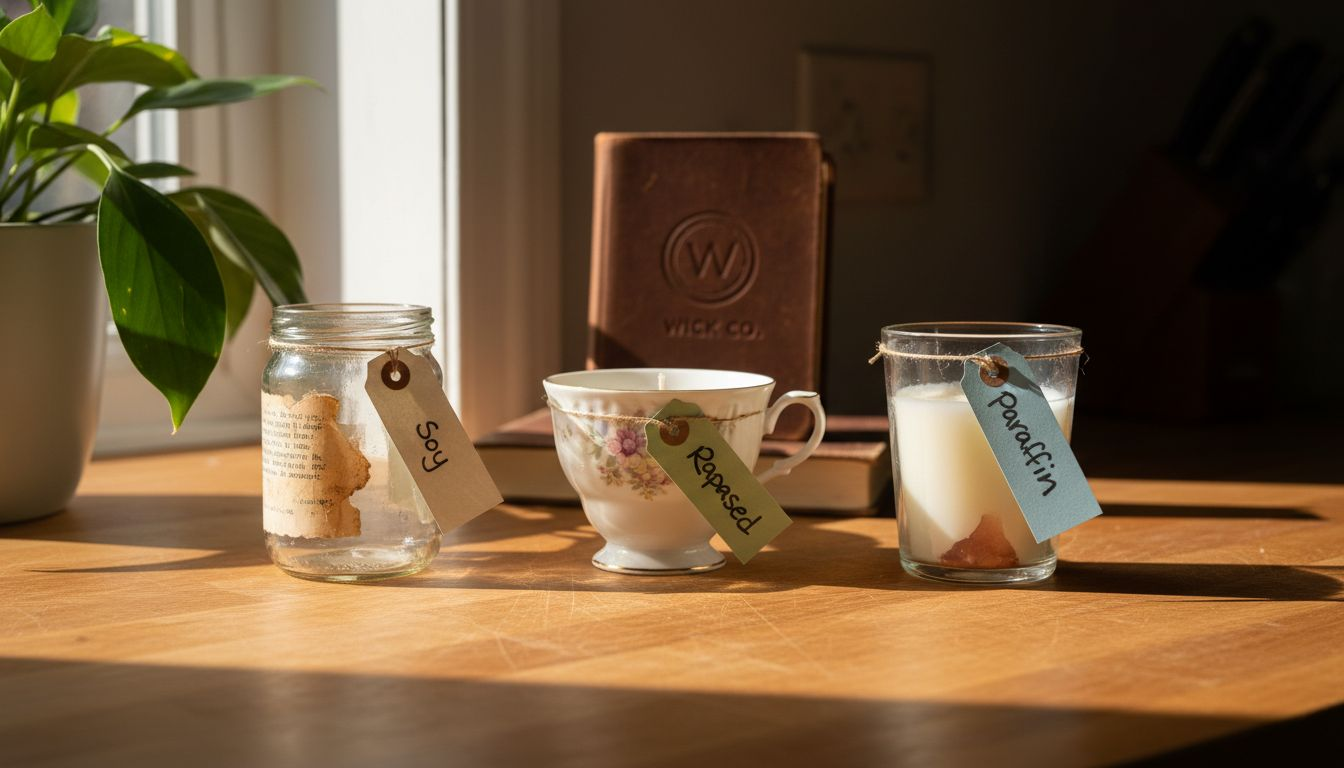
European-sourced rapeseed wax comes from a renewable crop grown regionally, minimizing transport emissions compared to imported alternatives. After extensive testing, rapeseed wax delivers the cleanest burn, longest lifespan, and most stable scent performance. It holds fragrance exceptionally well while releasing aroma evenly throughout the burn.
Synthetic fragrance chemicals in mass-market candles can release harmful substances like benzene and toluene, causing respiratory irritation and exacerbating allergies. Paraffin wax combustion produces additional particulates and VOCs that degrade indoor air quality. These emissions accumulate in enclosed spaces, creating health risks over time.
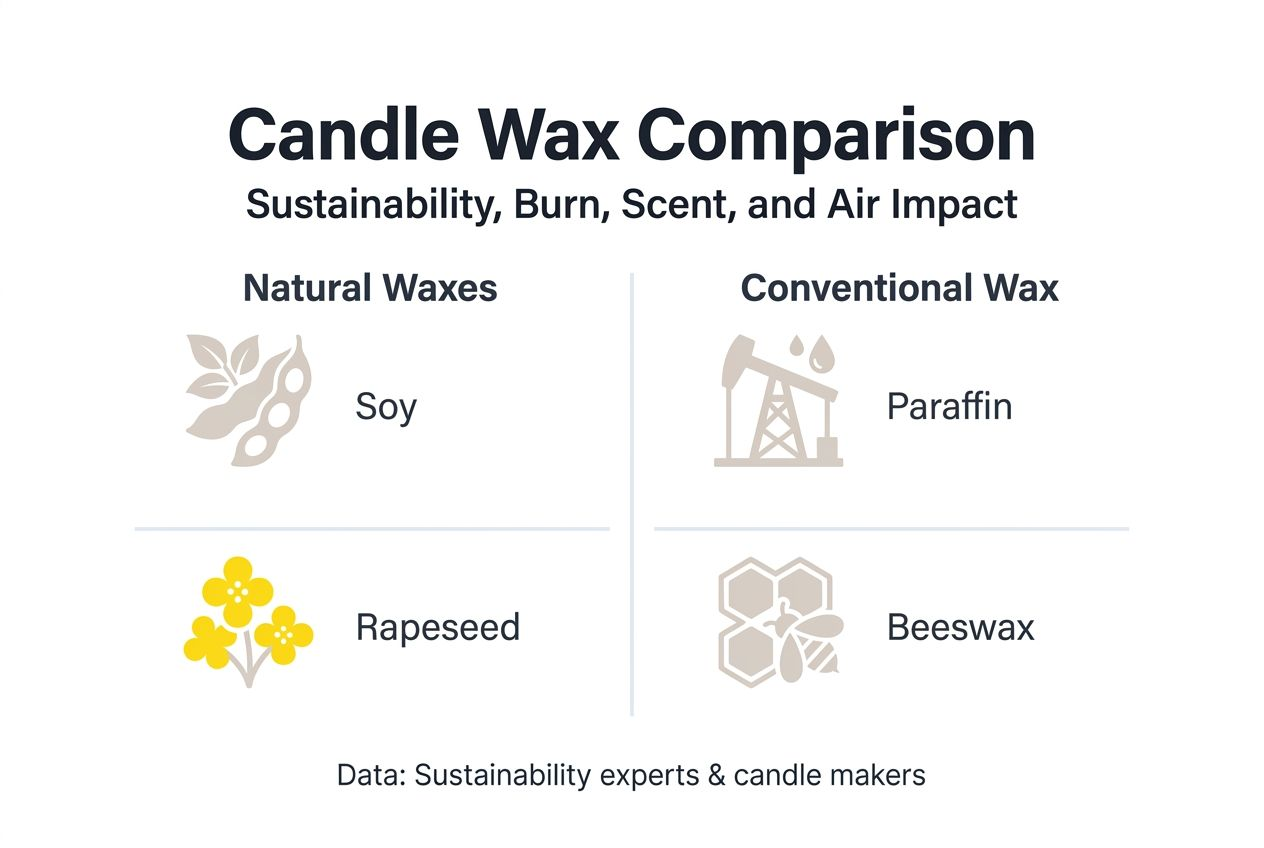
| Wax Type | Sustainability | Burn Quality | Air Quality Impact | Scent Performance |
|---|---|---|---|---|
| European Rapeseed | Renewable, regional sourcing | Clean, long-lasting | Minimal VOC emissions | Superior fragrance retention |
| Soy Wax | Renewable, often imported | Good, moderate duration | Low emissions | Variable scent throw |
| Paraffin Wax | Petroleum-based, non-renewable | Fast, uneven burn | High VOC and particulate release | Strong but potentially toxic |
| Beeswax | Natural, animal-derived | Very long burn | Minimal emissions | Limited fragrance capacity |
When selecting aroma therapy candles for wellness and environmental benefits, scrutinize ingredient transparency. Quality producers clearly state their wax source, fragrance composition, and safety certifications. Look for candles explicitly made with natural essential oils or IFRA-compliant, phthalate-free, paraben-free fragrance oils designed specifically for candle performance.
Reading labels effectively:
- Verify wax source: seek specific plant names like rapeseed, soy, or coconut, not vague terms like “vegetable blend”
- Confirm fragrance type: natural essential oils or explicitly clean, certified fragrance oils
- Check for safety certifications: vegan, cruelty-free, IFRA-compliant markings
- Assess transparency: reputable brands detail materials, sourcing, and production practices
Pro Tip: Premium eco-friendly candle wax should produce minimal soot and maintain consistent scent from first to last burn, indicating quality formulation and clean combustion.
Choosing sustainable, natural candles protects both your health and the planet. This conscious selection forms the foundation of effective, responsible candle aroma therapy practice.
Common misconceptions and health considerations
Many people assume any pleasant-smelling candle provides aroma therapy benefits. This misconception leads to purchasing mass-produced candles that smell nice but offer zero therapeutic value and potentially harm your health. True aroma therapy requires specific natural compounds at effective concentrations, not just synthetic fragrances mimicking popular scents.
Synthetic fragrance chemicals cause respiratory irritation and allergic reactions through VOC emissions. Symptoms include headaches, dizziness, watery eyes, throat irritation, and asthma exacerbation. Long-term exposure to these indoor air pollutants raises concerns about hormone disruption and other chronic health impacts.
Common health issues linked to synthetic scented candles:
- Respiratory irritation and difficulty breathing, especially for asthma or allergy sufferers
- Persistent headaches and sinus congestion from chemical VOC buildup
- Skin reactions and eye irritation in sensitive individuals
- Disrupted sleep quality paradoxically caused by “relaxing” synthetic fragrances
Indoor air quality suffers when candles burn for extended periods without ventilation. Even natural candles release some particulates and carbon dioxide. Synthetic candles compound this with harmful chemical emissions that linger long after extinguishing the flame. Poor ventilation traps these pollutants, creating unhealthy concentrations.
Debunking widespread myths:
Myth: Any scented candle improves mood and wellness. Reality: Only natural essential oil or clean fragrance candles deliver genuine therapeutic benefits without harmful side effects.
Myth: Expensive candles automatically mean better quality. Reality: Price doesn’t guarantee natural ingredients. Always verify wax source and fragrance composition through transparent labeling.
Myth: Strong scent equals effective aroma therapy. Reality: Overpowering synthetic fragrances often indicate chemical concentration, not therapeutic potency. Natural scents work effectively at subtler levels.
To avoid synthetic fragrance candles, seek products explicitly stating “essential oils” or “phthalate-free, paraben-free fragrance oils.” Reputable brands provide detailed ingredient information and safety certifications. Vague descriptors like “fragrance” or “parfum” typically signal synthetic chemical blends.
Pro Tip: Personalizing candle scents naturally through essential oil selection ensures you receive therapeutic benefits matched to your specific wellness goals without exposure to harmful additives.
Understanding these distinctions empowers informed choices that protect your health while delivering authentic aroma therapy benefits. Natural candles reduce toxic emissions dramatically compared to conventional options, making them essential for safe home wellness practices.
Fragrance selection for mindfulness and emotional wellness
Selecting the right scent profile transforms candle burning from ambient fragrance into targeted wellness support. Essential oil blends with multiple aromatic notes engage your brain more fully than single-scent candles, creating richer emotional and cognitive responses. Complex fragrances trigger overlapping neural pathways, amplifying therapeutic effects.
Common essential oil notes that support relaxation and emotional balance:
- Lavender: reduces anxiety, promotes restful sleep, calms racing thoughts
- Chamomile: eases tension, supports gentle relaxation, soothes irritability
- Bergamot: uplifts mood, relieves stress, balances emotional extremes
- Sandalwood: grounds scattered energy, deepens meditation, enhances focus
- Eucalyptus: clears mental fog, refreshes awareness, supports respiratory ease
Matching scent selection to specific wellness goals requires understanding aromatic properties and your personal responses. What relaxes one person might energize another based on individual neurochemistry and scent associations. Experimentation reveals your optimal combinations.
A systematic approach to selecting candle scents for relaxation:
- Identify your primary wellness goal: improved sleep, stress reduction, enhanced focus, or emotional balance.
- Research essential oils known to support that objective, noting their primary aromatic properties.
- Test individual scents mindfully, observing your immediate emotional and physical responses.
- Explore multi-note blends that combine complementary oils for synergistic effects.
- Establish consistent scent associations by using specific fragrances during designated wellness activities.
Complex fragrances engage multiple olfactory receptors simultaneously, creating what perfumers call “depth” and neuroscientists recognize as enhanced neural activation. A candle blending floral lavender with woody sandalwood and citrus bergamot stimulates varied brain pathways, producing more comprehensive relaxation than any single note alone.
Your scent preferences also carry personal meaning shaped by memories and experiences. A fragrance reminiscent of a grandmother’s garden or a peaceful vacation spot carries additional emotional resonance. Honoring these associations while exploring new scents creates a personalized aroma therapy practice.
Test new candles during low-stress moments to accurately gauge their effects. Light the candle, settle into comfortable stillness, and observe how the scent influences your thoughts, emotions, and bodily sensations over 15-20 minutes. This mindful assessment reveals which fragrances genuinely support your wellness versus those that merely smell pleasant.
Practical tips for safe and effective candle aroma therapy use
Maximizing therapeutic benefits while minimizing risks requires mindful burning practices and environmental awareness. Proper candle care ensures clean combustion, optimal scent release, and extended lifespan. Small adjustments to your routine dramatically improve both safety and effectiveness.
Essential safety and performance practices:
- Trim wicks to 5mm before each burn to prevent excessive soot and ensure even flame
- Limit continuous burning to under 3 hours, allowing wax to cool completely between sessions
- Place candles on heat-resistant surfaces away from drafts, flammable materials, and high-traffic areas
- Maintain room ventilation by cracking a window, especially during extended burns
- Extinguish candles with a snuffer rather than blowing to minimize smoke and wax splatter
Ventilation balances aroma therapy benefits with indoor air quality. While you want fragrance to fill the space, complete air stagnation allows even natural candle emissions to accumulate. Gentle air circulation refreshes oxygen levels without dispersing scent too quickly.
Integrating candles into mindfulness practices amplifies their therapeutic impact. Using scented candles for wellness becomes most effective when paired with intentional relaxation activities. The candle serves as both an aromatic aid and a visual focus point, anchoring your attention in present-moment awareness.
Case studies show 30-40% improved relaxation when aroma therapy candles integrate with mindfulness routines compared to unscented practice. The scent creates a multisensory environment that signals your nervous system to shift into rest mode. Repeated pairing conditions this response, making relaxation progressively easier.
Candle accessories enhance both safety and ritual quality. Elegant holders protect surfaces and contain wax drips. Wick snuffers extinguish flames cleanly without smoke. Wick trimmers maintain optimal wick length for perfect burns. These tools transform candle care from a chore into a mindful self-care practice.
Pro Tip: Establish a pre-lighting ritual where you trim the wick, set your intention for the session, and take three conscious breaths before igniting the flame. This brief ceremony signals your mind that dedicated relaxation time begins.
Consistency matters more than duration. A daily 20-minute candle meditation surpasses occasional hour-long sessions for building lasting stress resilience. Your brain learns to associate the scent with calm, creating a conditioned relaxation response that deepens over time.
Implementing candle aroma therapy in wellness routines
Building a sustainable aroma therapy practice requires integrating candles into existing self-care rhythms rather than treating them as occasional luxuries. Consistency transforms fragrance from pleasant background to powerful wellness tool. Your daily routine offers natural opportunities for aromatic ritual.
A five-step process for mindful daily candle aroma therapy:
- Choose a consistent time and place for your practice, creating environmental cues your brain associates with relaxation.
- Select a candle scent aligned with your current wellness priority, whether sleep support, stress relief, or mental clarity.
- Prepare your space by dimming lights, minimizing distractions, and ensuring comfortable seating or positioning.
- Light your candle with intention, taking several deep breaths to shift from doing mode into being mode.
- Engage in complementary wellness activities like meditation, journaling, gentle stretching, or simply sitting in quiet reflection for 15-30 minutes.
Pairing candle aroma therapy with established practices like yoga or meditation creates synergistic benefits. The scent enhances focus during movement, deepens breathing awareness, and marks transitions between daily stress and intentional rest. Many practitioners report that familiar candle fragrances help them drop into meditative states more quickly.
Studies report 35% average relaxation increase when aroma therapy candles integrate with mindfulness routines. This measurable improvement reflects both the direct neurological impact of essential oils and the psychological benefit of dedicated self-care time. The candle becomes a tangible commitment to your wellness.
Creating a dedicated aroma therapy space, even a small corner, reinforces your practice. This might include a comfortable cushion, your favorite candles, perhaps a journal or meditation timer. The space signals that this area belongs to rest and reflection, helping your mind transition more easily.
Consistency builds scent-emotion associations that strengthen over time. Using the same lavender blend nightly before bed conditions your brain to prepare for sleep when encountering that aroma. Your nervous system learns the pattern, making the fragrance progressively more effective.
Flexibility prevents your practice from becoming rigid. Some days you might enjoy a 5-minute candle moment with morning coffee. Other times, an evening bath with candlelight provides deeper restoration. Adapt your approach to daily energy levels and available time while maintaining regular engagement.
Conclusion: the path to mindful, sustainable candle aroma therapy
Candle aroma therapy merges ancient aromatic wisdom with modern neuroscience to deliver measurable wellness benefits through natural scent. Understanding how essential oil compounds interact with your limbic system empowers intentional fragrance selection for targeted emotional support. This knowledge transforms candle burning from casual ambiance into purposeful self-care.
Choosing sustainable, eco-friendly materials protects both personal health and environmental wellbeing. European rapeseed wax and other natural alternatives burn cleaner than petroleum-based paraffin while supporting renewable agriculture. Prioritizing natural essential oils or certified clean fragrance oils ensures you receive therapeutic benefits without harmful VOC exposure that plagues synthetic mass-market candles.
Mindful candle use routines maximize safety and amplify therapeutic effects. Proper wick maintenance, burn time limits, adequate ventilation, and intentional pairing with meditation or quiet reflection optimize both physical and emotional outcomes. These practices become easier with consistency, gradually conditioning powerful relaxation responses.
Embracing conscious candle choices reflects broader commitment to wellness and sustainability. Each decision to select natural, transparently sourced products over convenient synthetic alternatives contributes to healthier indoor environments and more responsible consumption patterns. Your personal practice ripples outward.
Candle aroma therapy offers accessible, effective support for modern stress and disconnection. Whether seeking better sleep, emotional balance, enhanced focus, or simply moments of peace, natural scented candles provide scientifically-grounded tools for nurturing mind-body wellness at home.
Discover premium eco-friendly aroma therapy candles
If you’re ready to experience the genuine wellness benefits of natural candle aroma therapy, mi KALMA offers thoughtfully crafted options designed specifically for mindful practice. Each candle combines 100% European rapeseed wax with vegan, phthalate-free, paraben-free fragrance oils created in France and optimized for exceptional scent performance.
Our small-batch Amsterdam production ensures consistent quality while our queer-owned values reflect commitment to authenticity and conscious craftsmanship. The FLORAL WHISPER blend brings soothing floral notes ideal for evening relaxation, while SANCTUARY creates grounding, meditative atmosphere perfect for mindfulness practice. Timeless black glass jars and recyclable packaging complete the sustainable experience. Explore our collection to find scents that resonate with your wellness journey.
FAQ
What is candle aroma therapy and how does it differ from regular scented candles?
Candle aroma therapy intentionally uses natural essential oils or clean fragrance blends to influence mood, reduce stress, and support mental wellness through scientifically-grounded scent-brain interactions. Regular scented candles focus primarily on pleasant fragrance without therapeutic compounds or mindful application. The distinction lies in both ingredient quality and purposeful use during wellness practices.
Are natural candles safer and more effective for aroma therapy than synthetic ones?
Yes, natural candles crafted with plant-based waxes like European rapeseed and essential oils emit significantly fewer harmful VOCs while delivering genuine therapeutic benefits through bioactive aromatic compounds. Synthetic candles often release toxic chemicals like benzene and toluene that cause respiratory irritation, headaches, and allergic reactions without providing real wellness value. Material quality directly impacts both safety and efficacy.
How do I safely use candle aroma therapy at home?
Trim wicks to 5mm before lighting, limit burns to under 3 hours per session, and maintain gentle room ventilation to prevent VOC buildup while preserving scent. Use candles as mindful anchors during meditation, yoga, or quiet reflection to amplify therapeutic benefits. Proper accessories like snuffers and heat-resistant holders enhance both safety and ritual quality.
Which scents are best for relaxation and mindfulness?
Essential oil blends featuring lavender, chamomile, sandalwood, and bergamot effectively promote relaxation, reduce anxiety, and support mental clarity through their interaction with emotional brain centers. Multi-note complex fragrances engage broader neural pathways than single scents, creating deeper therapeutic responses. Personal scent preferences and associations also influence effectiveness, so mindful experimentation helps identify optimal choices.
How long does it take to experience benefits from candle aroma therapy?
Immediate physiological responses like reduced heart rate and increased calm occur within minutes as aromatic compounds reach your olfactory system and limbic brain centers. Deeper benefits accumulate through consistent practice, with studies showing 30-40% relaxation improvement when candles integrate regularly with mindfulness routines. Building scent-relaxation associations over weeks strengthens conditioned responses that make aroma therapy progressively more effective.