

How candles enhance self-care and relaxation in 2026
You might assume candles simply set a mood, but science reveals they actively influence emotional processing in your brain and body. Their warm, flickering glow triggers biological responses that artificial lighting cannot replicate. This article explores how candlelight, scent, and focused meditation techniques transform ordinary moments into powerful self-care rituals. You’ll discover evidence-based methods to choose and use candles safely for genuine mental wellness benefits.
Key takeaways
| Point | Details |
|---|---|
| Warm candlelight promotes relaxation | Flickering flames align with natural circadian rhythms, signalling your brain to increase melatonin production for better sleep. |
| Certain scents influence mood | Lavender and chamomile reduce anxiety, whilst citrus and rosemary boost alertness through direct olfactory pathways to emotional centres. |
| Candle gazing sharpens focus | Trataka meditation strengthens attentional brain networks, reducing mental clutter and improving visual clarity over time. |
| Natural wax matters for health | Rapeseed, soy, and beeswax candles emit 70% fewer toxins than paraffin, protecting your indoor air quality during extended burns. |
| Candles complement broader wellness | They enhance relaxation practices but work best alongside other mental health strategies for holistic self-care. |
How candlelight helps create a calming environment
Your nervous system responds differently to candlelight’s soft, warm glow than it does to harsh overhead bulbs. The gentle flicker mimics natural firelight, which humans evolved alongside for millennia. This contrasts sharply with blue-toned LED screens and fluorescent tubes that dominate modern indoor spaces.
Evening exposure to warm light aligns with circadian rhythm, prompting your pineal gland to release melatonin. This hormone signals your body to prepare for rest, making candlelit evenings a natural transition from active daytime hours to restorative sleep. Screens emit wavelengths that suppress melatonin, disrupting this biological cycle.
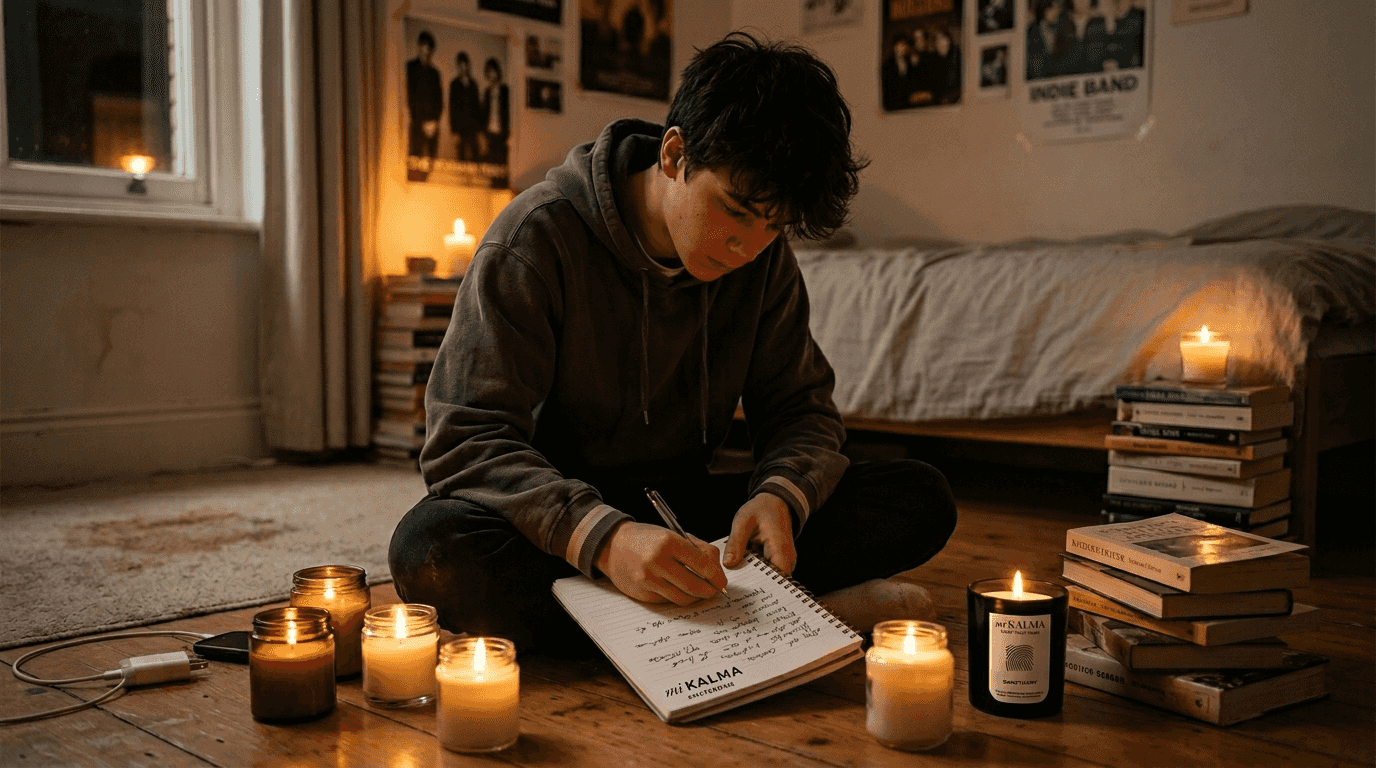
Creating intentional calm requires more than dimming lights. Placing candles strategically transforms your space into a sanctuary where stress dissolves. The role of candles in decor extends beyond aesthetics to functional wellness design.
Practical steps to maximise candlelight benefits:
- Position candles away from draughts to maintain steady, soothing flames
- Use multiple candles at varying heights to create dimensional light layers
- Dim or switch off artificial lights 60 minutes before bedtime
- Pair candlelight with relaxation activities like reading or gentle stretching
Consider how different your evenings feel when bathed in flickering warmth versus harsh downlights. That sensory shift isn’t merely psychological; it’s your biology responding to light cues that regulated human sleep for thousands of years before electricity.
The effects of scented candles on mood and mental wellness
Your olfactory system connects directly to the limbic region, where your brain processes emotions and memories. When scent molecules influence mood, they bypass cognitive filters and trigger immediate physiological responses. This explains why certain fragrances instantly calm you whilst others energise your focus.
Research demonstrates that Rosa damascene aromatherapy alleviates anxiety symptoms significantly. Common relaxing scents like lavender and chamomile promote rest, whilst rosemary and citrus notes feel uplifting. These aren’t subjective preferences; they’re measurable neurological responses.
The quality of your candle’s fragrance matters profoundly for health. Natural essential oils reduce health risks compared to synthetic alternatives, which emit volatile organic compounds that irritate respiratory systems. Premium candles use 10% fragrance oil concentration, delivering robust scent throw without compromising air quality.
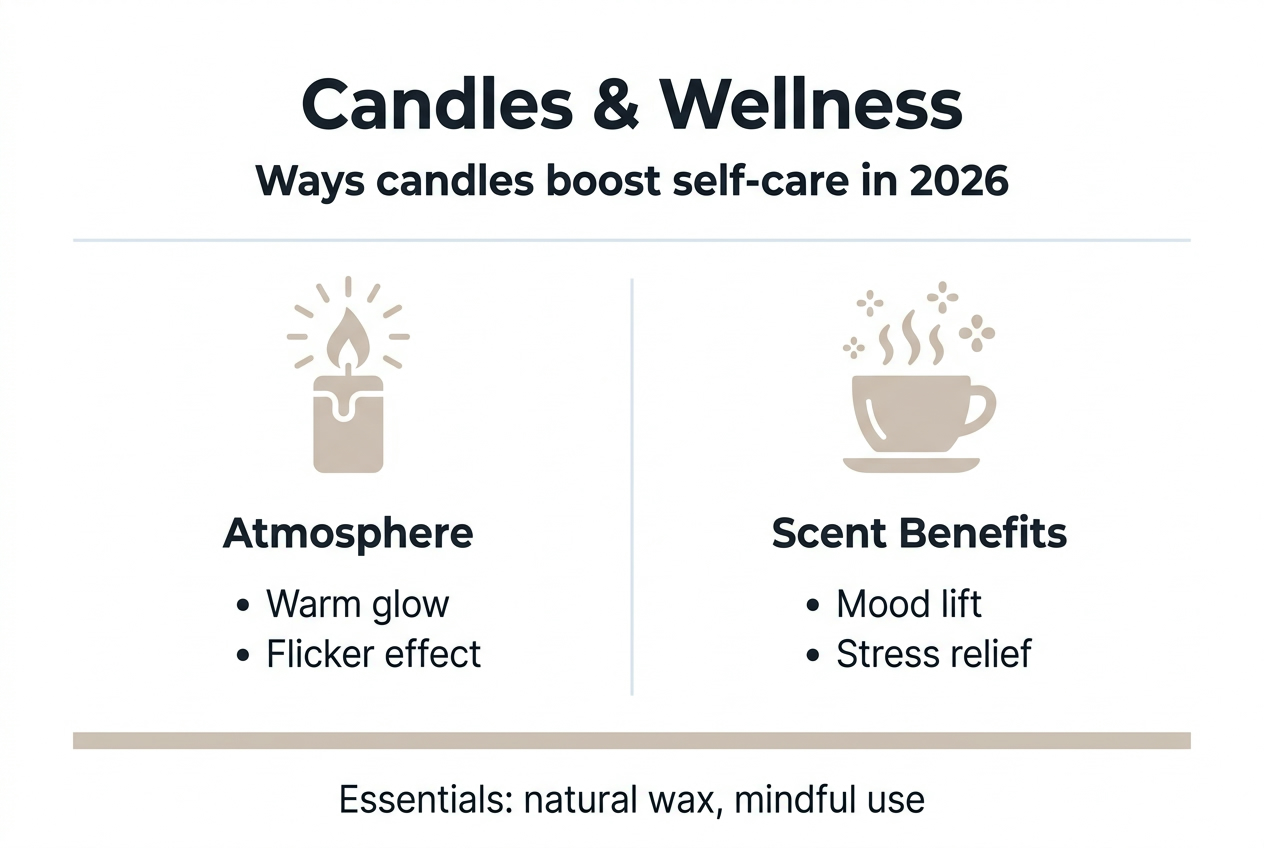
Ventilation remains critical even with natural fragrances. Studies show chronic exposure in poorly ventilated spaces causes lung inflammation and oxidative stress. Opening a window whilst burning candles balances ambience with respiratory safety.
Scent selection for specific wellness goals:
- Anxiety relief: lavender, chamomile, bergamot, sandalwood
- Energy boost: peppermint, rosemary, lemon, eucalyptus
- Focus enhancement: cedarwood, frankincense, pine, vetiver
- Sleep preparation: ylang ylang, valerian, marjoram, clary sage
Integrate scented candles as one element within a broader self-care routine. Using scented candles for wellness works best when combined with meditation, journaling, or breathwork. The science behind candle aroma therapy reveals how fragrance compounds interact with neurotransmitter systems to modulate stress responses.
Think of scent as a tool that primes your mental state for whatever comes next. Morning citrus notes sharpen alertness before work. Evening lavender cues your body that productivity has ended and restoration begins. This intentional pairing of fragrance with activity creates powerful associative triggers over time.
Candle gazing meditation: focus, clarity, and mental wellness
Trataka meditation improves concentration by training your visual attention on a single point: a steady flame. This ancient yogic practice dates back centuries as one of six classical cleansing techniques documented since the 15th century. The method builds mental endurance by challenging your eyes and mind to remain fixed despite natural tendencies to wander.
Regular practice strengthens attentional brain networks, reducing mental clutter that fuels anxiety and distraction. You’ll notice improved ability to sustain focus during complex tasks after just weeks of consistent candle gazing. This technique also strengthens and restores eye health by exercising ocular muscles rarely engaged during screen-dominated days.
How to practice Trataka meditation:
- Light a candle and place it at eye level, approximately arm’s length away
- Sit comfortably with spine straight, eliminating physical distractions
- Soften your gaze on the flame’s brightest point without straining
- Hold your focus for 1 to 3 minutes initially, blinking only when necessary
- Close your eyes gently and visualise the flame’s afterimage behind your eyelids
- When the mental image fades, open your eyes and repeat the cycle 2 to 3 times
Beginners should limit sessions to 5 to 10 minutes total. Gradually extend duration as your eye muscles adapt and your concentration deepens. Rest immediately if you experience discomfort, headache, or excessive tearing.
“Steady gazing trains the mind to resist distraction, building a foundation for deeper meditation practices and everyday mental clarity.”
The practice complements other mindfulness techniques beautifully. Pairing Trataka with breathwork or body scanning creates layered awareness that addresses both mental and physical tension. Candle trimming for mindfulness becomes a preparatory ritual that centres your attention before formal meditation begins.
Consider Trataka as strength training for your focus. Each session challenges neural pathways responsible for sustained attention, making concentration feel less effortful over time. This translates beyond meditation into improved work performance, reading comprehension, and presence during conversations.
Choosing and using candles safely for mindful self-care
Paraffin wax releases harmful compounds including toluene and benzene, both recognised carcinogens. These petroleum-based candles dominate mass markets because they’re cheap to produce, but they compromise indoor air quality with every burn. Natural candles cut toxic emissions by 70%, making wax selection your first defence for respiratory health.
European rapeseed wax offers superior performance among natural alternatives. After extensive testing, this renewable crop delivers the cleanest, longest burn with exceptional scent throw. Its lower transport footprint compared to imported soy makes it an environmentally sound choice for mindful consumers.
| Wax type | VOC emissions | Burn time | Scent quality | Sustainability |
|---|---|---|---|---|
| Paraffin | High (carcinogens) | Medium | Weak | Petroleum-based |
| Soy | Low | Long | Good | Requires shipping |
| Beeswax | Very low | Very long | Subtle honey | Limited supply |
| Rapeseed | Very low | Very long | Excellent | European renewable |
| Coconut | Low | Medium | Good | Tropical sourcing |
Fragrance quality determines whether your candle supports or sabotages wellness goals. Premium brands use phthalate-free, paraben-free, vegan fragrance oils at 10% concentration, whilst mass-market paraffin candles contain just 2 to 3% synthetic scents. This explains why quality candles fill rooms effortlessly whilst cheap alternatives barely register.
Proper candle trimming reduces soot and smoke exposure dramatically. Trim wicks to 6mm before every burn to maintain stable flames that consume wax efficiently. Untrimmed wicks create tall, flickering flames that produce black smoke and uneven burning.
Pro Tip: Always burn candles in well-ventilated spaces and never exceed 4 hours per session. This prevents particulate buildup whilst maintaining optimal fragrance diffusion. Safe candle practices combine natural materials with proper usage habits for maximum wellness benefits.
Invest in candle care tools like quality trimmers and snuffers. These accessories aren’t luxury add-ons; they’re essential for maintaining clean burns and extending candle lifespan. The ritual of trimming becomes meditative preparation that transitions you into intentional relaxation mode.
Consider your candle’s entire lifecycle when making purchasing decisions. Recyclable black glass jars, plastic-free packaging, and small-batch production reflect values that extend beyond personal wellness to environmental stewardship. Quality candles from mindful makers cost more upfront but deliver superior experiences and align with holistic self-care philosophies.
Explore premium eco-friendly candles for your self-care rituals
You’ve learnt how candlelight, scent, and meditation techniques create genuine mental wellness benefits. Now experience these principles through candles crafted specifically for mindful living. mi KALMA’s natural wax candles use 100% European rapeseed wax and French-made, phthalate-free fragrance oils at premium 10% concentration.
Each candle burns cleanly in timeless black glass jars, with recyclable packaging reflecting our Amsterdam-based, queer-owned values. The Sanctuary scented candle delivers room-filling fragrance designed to transform ordinary evenings into restoration rituals. Browse the complete candle collection to find scents that complement your unique self-care needs.
Frequently asked questions
What is the safest type of candle wax for indoor use?
Natural waxes like rapeseed, soy, beeswax, and coconut emit minimal toxins compared to petroleum-based paraffin. European rapeseed wax offers the cleanest burn with superior scent performance after extensive testing. Always verify that candles use natural essential oils rather than synthetic fragrances to further reduce health risks.
How does candle gazing improve mental focus?
Steady gazing at a flame trains your brain’s attentional networks to resist distraction. This Trataka meditation builds mental endurance by challenging your eyes and mind to maintain fixed focus. Regular practice strengthens concentration abilities that transfer to work tasks, reading, and everyday presence.
Can scented candles cause respiratory problems?
Synthetic fragrances in low-quality candles emit volatile organic compounds that irritate lungs, especially during prolonged exposure in poorly ventilated rooms. Choose candles with natural essential oils at premium concentrations and maintain good airflow by opening windows. This combination delivers fragrance benefits whilst protecting respiratory health.
How should I practice Trataka meditation safely?
Limit initial gazing sessions to 5 to 10 minutes total, gradually extending duration as your eyes adapt. Blink naturally when needed and rest immediately if you experience discomfort or headache. Position the candle at eye level and arm’s length away to prevent strain whilst building focus endurance over time.