

Best candles for meditation: eco-friendly picks 2026
Choosing the right candle for meditation can transform your practice from routine to profound. With countless options flooding the wellness market, selecting a candle that truly supports mindfulness requires understanding wax quality, scent profiles, burn characteristics, and environmental impact. High-quality, eco-friendly candles crafted from natural waxes and infused with purposeful fragrances create the sensory foundation for deeper relaxation and focus. This guide explores the essential criteria for meditation candles and presents top choices for 2026, helping you make an informed decision that elevates your daily practice.
Key takeaways
| Point | Details |
|---|---|
| Natural wax matters | Beeswax and plant-based waxes reduce indoor pollutants and create healthier meditation environments compared to petroleum-derived alternatives. |
| Scent influences brainwaves | Specific fragrances like lavender and sandalwood measurably increase relaxation-associated alpha wave activity in the brain. |
| Burn time alignment | Matching candle burn duration to your typical session length prevents distractions and maintains unbroken focus throughout practice. |
| Eco-friendly credentials | Artisan candles with sustainable materials, lead-free wicks, and ethical production offer both quality and values alignment. |
How to choose the ideal candle for meditation
Selecting a meditation candle involves more than picking a pleasant scent. The wax composition directly affects indoor air quality during your practice. Beeswax candles produce fewer pollutants compared to paraffin varieties, creating a cleaner breathing environment essential for deep, focused meditation. Natural waxes like rapeseed, coconut, and soy burn more completely, releasing minimal soot and toxins into your sacred space.
Wick material deserves equal attention. Lead-free cotton wicks burn cleaner and eliminate the health risks associated with metal-core alternatives. A properly sized cotton wick produces a steady, calm flame that serves as an excellent focal point for concentration practices like Trataka whilst avoiding the smoking and tunnelling common with poorly constructed candles.
Fragrance selection influences your mental state more powerfully than many practitioners realise. Research demonstrates that lavender and sandalwood scents increase alpha brainwave activity, the neural signature of relaxed alertness perfect for meditation. When exploring candle scents for mindful relaxation, consider how different aromatherapy profiles support your specific practice goals, whether cultivating calm, enhancing focus, or releasing tension.
Burn time alignment prevents unnecessary interruptions. A candle that extinguishes mid-session breaks your concentration, whilst one burning hours beyond your practice wastes resources. Match your candle’s duration to typical meditation lengths, whether brief 15-minute sessions or extended hour-long sits.
Pro Tip: Test candles in 20-minute increments before committing to longer meditation sessions, noting how scent intensity and flame stability evolve as the wax pool develops.
Key selection criteria include:
- Wax composition (natural plant-based or beeswax preferred)
- Wick material (unbleached cotton without metal cores)
- Scent profile aligned with meditation goals
- Burn time matching session duration
- Minimal packaging and sustainable sourcing
Top candles for meditation in 2026: detailed options
The meditation candle market has matured significantly, with artisan makers prioritising both therapeutic benefits and environmental responsibility. These standout options exemplify quality craftsmanship and mindful formulation.
The Zen Candle represents minimalist elegance with its organic cocosoy wax blend. This handcrafted option burns exceptionally clean, producing virtually no soot whilst filling your meditation space with subtle, grounding energy. The cocosoy combination offers the best attributes of both coconut and soy waxes, a slower burn than pure soy with better scent distribution than coconut alone. Its understated aesthetic complements any meditation environment without visual distraction.
The Congruent Candle takes a more complex approach, blending natural coconut wax with apricot oils and an intriguing scent profile of green lime, bamboo, and jungle moss. This combination creates an immersive sensory experience that transports practitioners to tranquil natural settings. The essential oil formulation ensures therapeutic-grade aromatherapy benefits whilst the plant-based wax composition maintains clean indoor air quality throughout extended sessions.
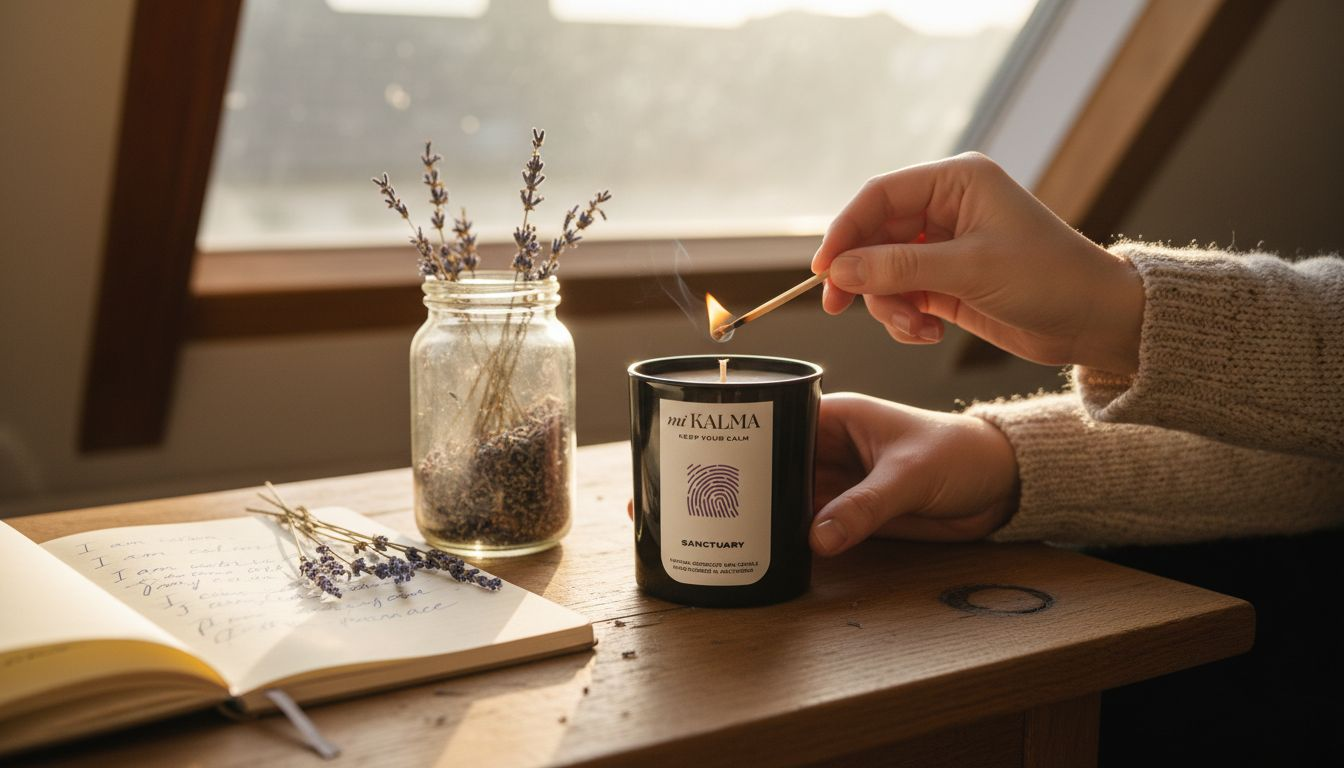
Beeswax candles deserve special mention for meditation practices. Beyond their naturally sweet honey aroma, beeswax candles release negative ions when burning, which may help purify surrounding air by binding to pollutants and allergens. This air-cleansing quality makes them particularly valuable for practitioners with sensitivities or those meditating in urban environments with higher baseline pollution.
European rapeseed wax candles have emerged as premium alternatives, offering sustainability advantages over imported options. Rapeseed, a renewable crop widely cultivated across Europe, requires shorter transport distances and delivers exceptional burn quality with superior scent performance. After extensive testing, many artisan candlemakers have adopted rapeseed wax for its clean, stable burn and ability to hold higher fragrance concentrations without compromising air quality.
Each of these options shares common threads:
- Handcrafted production ensuring quality control
- Natural, renewable wax sources
- Thoughtful scent formulation supporting relaxation
- Eco-conscious packaging and sourcing
- Lead-free, clean-burning wicks
When exploring artisanal candle making for wellness, you discover how small-batch production allows for ingredient quality and intentionality impossible in mass manufacturing.
Comparing features: what makes one candle better than another for meditation?
Understanding how meditation candles differ helps you identify the best match for your practice. This comparison highlights critical features across popular options.
| Feature | Beeswax | Cocosoy Blend | Rapeseed Wax | Paraffin |
|---|---|---|---|---|
| Air Quality | Excellent, releases negative ions | Very good, minimal emissions | Excellent, clean European source | Poor, releases toxins |
| Burn Time | Long, 45-60 min per oz | Moderate, 35-50 min per oz | Long, 50-65 min per oz | Variable, often shorter |
| Scent Throw | Subtle honey notes | Strong with added oils | Excellent with 8-10% oils | Weak, requires high percentages |
| Sustainability | Renewable, supports pollinators | Renewable plant crops | European crop, lower transport | Petroleum-based, non-renewable |
| Price Point | Premium | Mid to high | Premium | Budget |
Burn time directly impacts meditation convenience. Shorter burn times around 20 minutes suit focused sessions perfectly, eliminating the need to extinguish candles mid-practice or waste wax burning beyond your session. Longer burns benefit practitioners with extended sits or those using candles throughout multi-hour retreats.
Wax composition determines both air quality and performance consistency. Natural waxes like beeswax, coconut, and rapeseed produce significantly fewer volatile organic compounds than petroleum-derived paraffin. This distinction matters enormously when breathing deeply during meditation, as you want to inhale clean air rather than combustion byproducts.
Scent delivery mechanisms vary substantially. Mass-produced paraffin candles typically use only 2-3% fragrance oil by weight, resulting in weak scent throw that fails to create immersive aromatherapy environments. Premium natural wax candles can safely hold 8-10% fragrance concentration, delivering room-filling aroma without overwhelming sensitive practitioners. When selecting candle scents for relaxation, prioritise candles using phthalate-free, IFRA-compliant fragrance oils designed specifically for clean burning.
Pro Tip: Before purchasing, check whether fragrance oils are vegan, paraben-free, and produced to safety standards, as these details indicate maker commitment to both health and ethics.
Wick construction affects flame stability and safety:
- Unbleached cotton wicks burn steadiest with minimal smoking
- Wooden wicks create ambient crackling but may distract from silent practices
- Metal-core wicks should be avoided entirely due to potential lead exposure
- Wick size must match wax pool diameter for optimal performance
Which candle suits your meditation style and needs?
Different meditation approaches benefit from specific candle characteristics. Matching your candle to your practice style optimises both safety and effectiveness.
-
For Trataka (candle gazing) meditation, prioritise flame stability above all else. Trataka meditation benefits from steady flames to improve focus and potentially induce altered consciousness states. Choose unscented or minimally scented beeswax candles with properly sized cotton wicks that produce consistent, still flames even in slight air movement.
-
For relaxation and stress-relief practices, embrace therapeutic scent profiles. Lavender, chamomile, and sandalwood fragrances demonstrably reduce cortisol levels and promote parasympathetic nervous system activation. Select candles with 8-10% fragrance oil concentration for noticeable aromatherapy benefits without overwhelming your senses.
-
For focused concentration meditation, opt for clean-burning natural waxes with subtle or absent fragrances. Strong scents can prove distracting when cultivating single-pointed awareness. Rapeseed or coconut wax candles with minimal fragrance provide ambient light and gentle energy without commanding attention.
-
For small meditation spaces, choose candles sized appropriately for room volume. A heavily scented large candle in a compact area creates overpowering fragrance that hinders rather than helps practice. Beeswax votives or small rapeseed wax candles suit intimate spaces whilst maintaining air quality.
-
For group meditation sessions, consider burn time and scent preferences across participants. Longer-burning pillar candles prevent mid-session replacement, whilst universally appealing scents like vanilla or light citrus accommodate varying sensitivities better than polarising fragrances.
When exploring ways to use scented candles for wellness, remember that your meditation candle serves multiple functions: visual focal point, aromatherapy delivery system, and ritual marker signalling the transition into practice. Selecting candles that excel across these dimensions transforms your meditation space into a genuine sanctuary.
Consider your sensitivity level honestly. Some practitioners thrive with rich, complex scent profiles whilst others find even subtle fragrances distracting. There is no universal best candle, only the best candle for your unique nervous system and practice goals.
Explore mi KALMA’s natural wax candles for meditation
Having explored meditation candle criteria and options, you might appreciate discovering a brand that embodies these principles. mi KALMA crafts premium candles in Amsterdam using 100% natural European rapeseed wax, a renewable crop offering cleaner burns and superior scent performance compared to imported alternatives. After extensive testing of natural waxes, rapeseed wax delivered the longest, most stable burn with exceptional fragrance distribution.
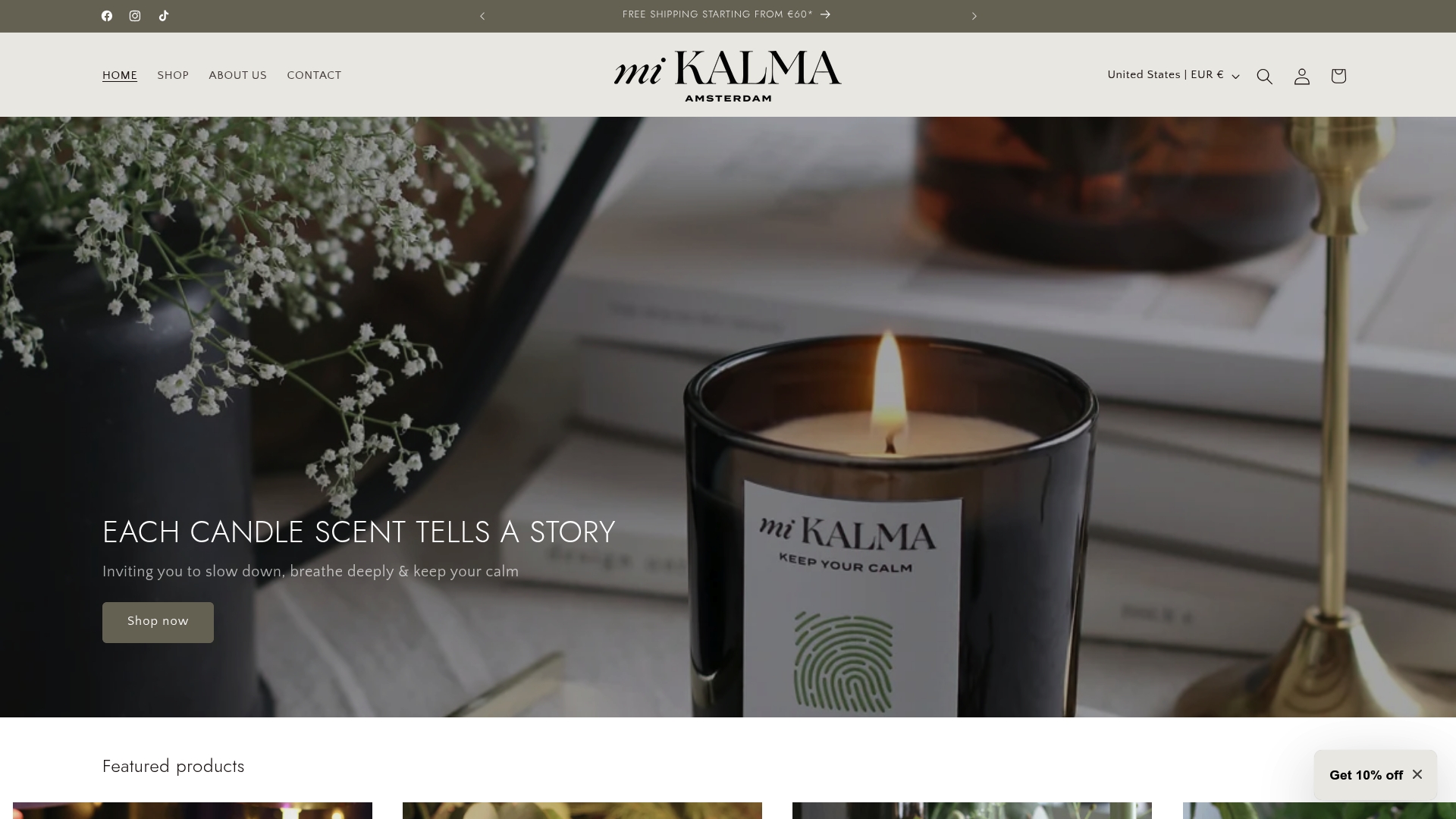
Each candle features vegan, phthalate-free, paraben-free fragrance oils designed in France and optimised specifically for candle performance at 10% concentration, dramatically outperforming the 2-3% used in mass-produced paraffin candles. The SANCTUARY scented candle exemplifies this approach, combining calming aromatherapy with timeless black glass presentation and recyclable packaging. Explore the full candle collection at mi KALMA to find your perfect meditation companion, handcrafted with intention by a queer-owned small business committed to wellness, sustainability, and creating daily rituals of calm.
FAQ
How do candles enhance meditation practice?
Candles provide visual focal points that anchor wandering attention, particularly valuable for concentration-based practices. The gentle flame movement creates a dynamic yet calming object of awareness that naturally draws the eye without overstimulation. Scented varieties modulate mood through the limbic system, the brain’s emotional processing centre, enhancing relaxation states and signalling your nervous system that it is safe to release tension.
What is the best wax for meditation candles?
Beeswax and coconut-based waxes produce fewer pollutants and offer natural aromas supporting relaxation without synthetic additives. European rapeseed wax has emerged as a premium alternative, delivering exceptionally clean burns with superior scent performance and lower environmental transport costs. Paraffin wax releases harmful chemicals when burning, making it unsuitable for enclosed meditation spaces where you breathe deeply for extended periods.
How long should a meditation candle burn?
Candles with shorter burn times around 20 minutes align perfectly with focused meditation sessions, eliminating distractions from extinguishing flames mid-practice. Match burn duration to your typical session length, whether brief daily sits or extended weekend retreats. Practitioners with varying session lengths benefit from keeping multiple candle sizes available rather than forcing one option to serve all purposes.
Are scented or unscented candles better for meditation?
This depends entirely on your practice style and sensory preferences. Scented candles using therapeutic-grade essential oils or high-quality fragrance blends enhance relaxation through proven aromatherapy mechanisms. Unscented options suit concentration practices where any sensory input beyond the flame itself proves distracting. Experiment with both approaches across different session types to discover what serves your practice most effectively.
Can I use any candle for meditation?
Whilst technically possible, not all candles support meditation equally. Mass-produced paraffin candles with synthetic fragrances, metal-core wicks, and chemical additives compromise indoor air quality and may trigger headaches or respiratory irritation during deep breathing. Investing in natural wax candles with clean ingredients transforms your practice environment from potentially harmful to genuinely supportive of wellbeing and focus.
Recommended
- Ways to use scented candles for wellness in 2026 – mi KALMA
- How candles enhance self-care and relaxation in 2026 – mi KALMA
- How to choose candles for eco-friendly wellness in 2026 – mi KALMA
- 7 Inspiring Home Decor with Candles Ideas for Mindful Living – mi KALMA
- Sustainable jewelry shopping guide Denver 2026 – Eternal Carat
- Eco-Friendly Footwear: Enhancing Comfort and Sustainability – YDA UK