

Choose the best candle wax for wellness in 2026
Did you know paraffin candles emit up to 10 times more volatile organic compounds than natural alternatives? That petroleum-based wax dominates mass-market candles, releasing toxins into your home during every burn. If you’re an eco-conscious consumer seeking wellness through premium candles, understanding your wax options is essential. This guide helps you select the right natural candle wax for sustainability, health, and mindfulness.
Key takeaways
| Point | Details |
|---|---|
| Natural waxes vary significantly | Sustainability, burn quality, and scent throw differ across rapeseed, soy, beeswax, and coconut waxes. |
| Rapeseed wax leads locally | European-sourced rapeseed wax offers the lowest carbon footprint and supports regional agriculture. |
| Paraffin poses health risks | Petroleum-derived paraffin emits harmful VOCs and soot, contradicting wellness values. |
| Ethical sourcing matters | Beeswax isn’t vegan-friendly, while plant-based options align with cruelty-free principles. |
| Price reflects quality trade-offs | Budget natural waxes exist, but premium options deliver superior burn time and fragrance. |
How to choose the right candle wax: key selection criteria
Selecting candle wax goes beyond aesthetics. Your choice impacts indoor air quality, environmental footprint, and the sensory experience central to mindfulness rituals.
Start by evaluating sustainability through sourcing, renewability, and carbon emissions. Local materials reduce transportation impacts and support regional economies. Renewable plant-based waxes beat petroleum derivatives every time.
Burn quality matters immensely for wellness. Longer burn times mean better value, while low soot emissions protect respiratory health during meditation or relaxation. Clean-burning waxes enhance rather than compromise your calm.
Fragrance performance determines how effectively scents fill your space. Strong scent throw creates immersive atmospheres for mindfulness practices. Poor fragrance hold wastes premium oils and diminishes the sensory experience.
Ethical considerations separate conscious consumers from casual buyers. Vegan versus animal-derived waxes reflect personal values. Cruelty-free production aligns with compassionate living.
Local sourcing deserves special attention in Europe. Choosing EU-grown materials slashes carbon footprints and strengthens agricultural communities. Transportation distance directly affects environmental credentials.
Price influences accessibility, but cheapest rarely means best. Budget-conscious shoppers can find natural options, yet premium waxes justify higher costs through superior performance and sustainability.
Key factors for selection:
- Sustainability credentials and carbon footprint
- Burn time and soot emission levels
- Fragrance retention and scent throw strength
- Vegan-friendly and ethical sourcing
- Local availability within Europe
- Price relative to performance benefits
Pro Tip: Prioritize why use sustainable candles by checking the wax origin on labels before purchasing to ensure alignment with your wellness goals.
Paraffin wax: characteristics, risks, and use cases
Paraffin wax dominates commercial candle production despite serious drawbacks. This petroleum byproduct comes from non-renewable fossil fuel refining, making it fundamentally unsustainable.
Health concerns are substantial. Paraffin is petroleum-based, emits volatile organic compounds, produces soot, and is non-biodegradable. These emissions accumulate indoors, potentially triggering respiratory irritation and allergic reactions during extended burns.
Burn performance falls short of natural alternatives. Paraffin candles typically last 20 to 30 hours, far less than premium options. Poor fragrance retention means scents fade quickly or smell artificial.
The environmental profile is dismal. Non-biodegradable petroleum wax persists in landfills indefinitely. Production contributes to fossil fuel dependency and climate change.
Price remains paraffin’s only advantage. Mass production keeps costs rock bottom, appealing to budget shoppers. However, this savings comes at the expense of wellness and environmental responsibility.
Paraffin wax drawbacks:
- Derived from non-renewable petroleum sources
- Emits harmful VOCs and creates indoor soot
- Shorter burn time than natural waxes
- Poor fragrance quality and retention
- Non-biodegradable with high environmental cost
For eco-conscious consumers prioritizing health and safety risks of candle wax, paraffin simply doesn’t align with wellness values. The marginal cost savings fail to justify compromising indoor air quality.
Soy wax: popular natural wax with import considerations
Soy wax emerged as the mainstream natural alternative, offering plant-based benefits with practical trade-offs. This biodegradable option comes from soybean oil, making it renewable and eco-friendlier than paraffin.
Burn characteristics sit in the middle range. Soy candles typically last 35 to 45 hours with moderate soot production. The softer texture creates smooth container candles but lacks rigidity for pillars.
Fragrance performance varies. Moderate scent throw works for smaller spaces but may disappoint in larger rooms. Cold throw (unlit scent) often exceeds hot throw (burning scent), creating expectations that don’t fully deliver.
Sustainability presents a mixed picture. Soy wax is biodegradable and plant-based, but its carbon footprint is elevated due to long-distance imports from North America. Transatlantic shipping undermines some environmental benefits for European buyers.
Pricing makes soy accessible. As the most widely produced natural wax, economies of scale keep costs reasonable. This affordability democratizes access to plant-based candles.
Soy wax characteristics:
- Plant-based and fully biodegradable
- Moderate 35 to 45 hour burn time
- Softer texture ideal for container candles
- Moderate scent throw suitable for small spaces
- Imported primarily from North America
- Affordable entry point for natural waxes
Pro Tip: If you prioritize benefits and sourcing of natural candle wax but not necessarily local production, soy offers solid value for budget-conscious wellness shoppers.
Beeswax: traditional luxury wax with ethical tradeoffs
Beeswax represents centuries of candlemaking tradition, prized for exceptional burn quality and natural honey scent. This animal-derived wax comes directly from honeybee hives, creating immediate ethical considerations.
Performance metrics are outstanding. Beeswax candles burn 50 to 60 hours or more, outlasting all competitors. Virtually no soot emission makes them ideal for respiratory health and clean indoor air.
The natural fragrance is subtle yet distinctive. A gentle honey aroma requires no added scent, appealing to minimalists. However, this limits options for those seeking specific aromatherapy benefits.
Ethical concerns limit appeal among conscious consumers. 68% of European vegan consumers avoid beeswax candles and prefer plant-based alternatives. Animal welfare questions arise around commercial beekeeping practices.
Pricing reflects scarcity. Limited supply and labor-intensive harvesting make beeswax the most expensive common option. Premium positioning targets luxury buyers rather than mass markets.
Beeswax characteristics:
- Animal-derived, not vegan-friendly
- Longest burn time at 50 to 60+ hours
- Virtually zero soot emissions
- Natural honey fragrance without additives
- Highest price point among common waxes
- Traditional luxury with ethical trade-offs
For wellness-focused consumers following plant-based lifestyles, beewax’s benefits of premium beeswax candles clash with vegan values despite superior technical performance.
European rapeseed wax: premium local and sustainable choice
Rapeseed wax represents the pinnacle of sustainable European candle production. This plant-based wax comes from rapeseed crops grown across the EU, particularly in France, Germany, and Poland.
Sustainability credentials are exceptional. Rapeseed wax reduces transportation emissions by nearly 50% compared to imported soy wax and meets EU climate targets. Local sourcing supports regional farmers and rural economies.
Burn performance rivals beeswax. Rapeseed candles last 45 to 55 hours with minimal soot, creating clean burns ideal for wellness rituals. The slightly harder consistency than soy provides better structural integrity.
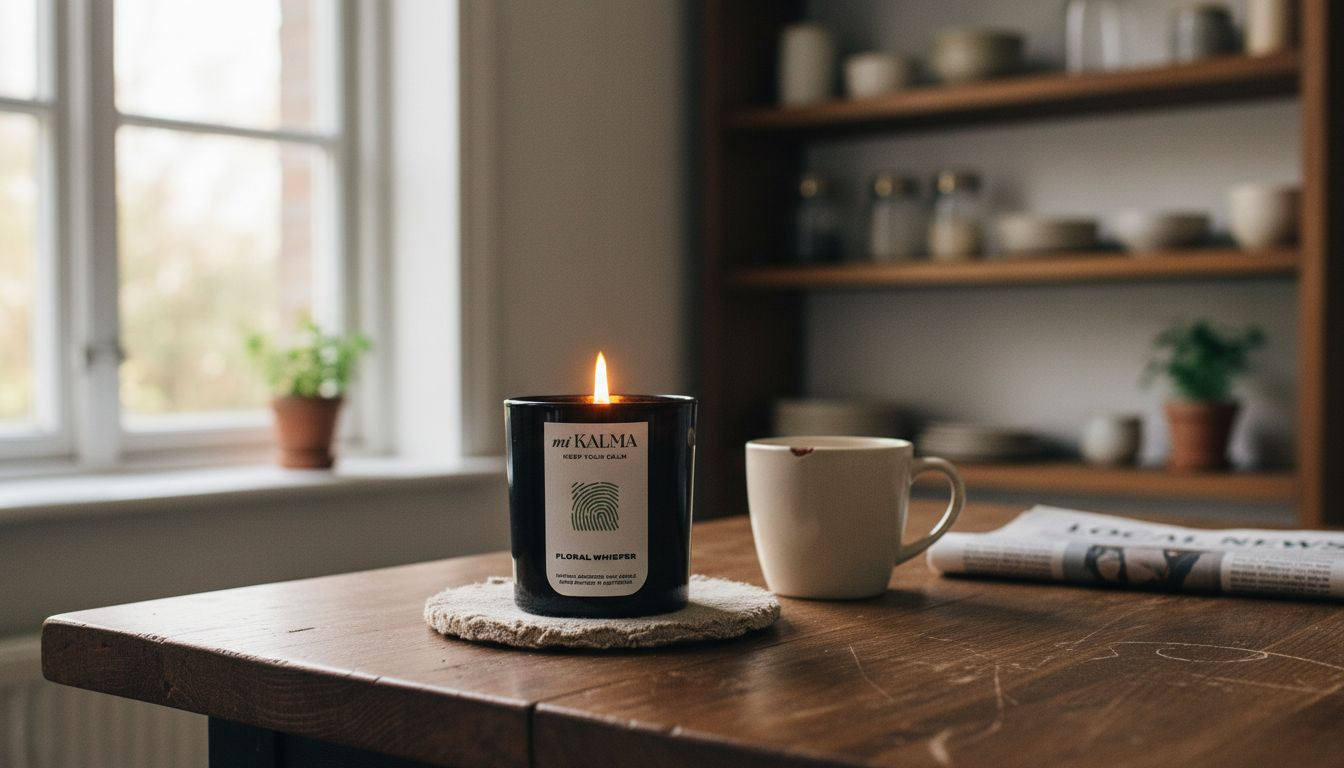
Fragrance capabilities excel. Superior oil retention and strong hot throw fill rooms effectively with scent. This makes rapeseed ideal for aromatherapy and mindfulness practices requiring immersive sensory experiences.
Ethical positioning is impeccable. Completely vegan and cruelty-free production aligns with conscious consumer values. The smooth, creamy appearance suits artisan aesthetics perfectly.
Pricing sits mid-range. Higher than soy but less than beeswax, the cost reflects quality and sustainability. Value-conscious buyers recognize the premium as worthwhile investment.
Rapeseed wax advantages:
- EU-sourced supporting local agriculture
- Long 45 to 55 hour burn time
- Excellent fragrance retention and scent throw
- Vegan, cruelty-free, and sustainable
- Clean burning with minimal soot
- Smooth aesthetic for premium presentation
Pro Tip: European consumers seeking artisan benefits of rapeseed wax candles find this wax perfectly balances wellness, sustainability, and supporting local economies.
Other natural waxes: palm and coconut
Palm and coconut waxes occupy niche positions in the natural candle market. Each offers unique properties but comes with sourcing challenges.
Palm wax delivers striking crystalline patterns as it cools, creating visually distinctive candles. However, palm and coconut wax sustainability varies dramatically by source. Deforestation concerns plague palm oil industries, making RSPO certification essential for ethical sourcing.
Burn characteristics are solid. Palm wax candles last 40 to 50 hours with good scent throw. The harder texture works well for pillar candles needing structural integrity.
Coconut wax sits at the luxury end. Coconut wax burns 25% longer than soy and produces 40% to 60% less soot than paraffin, delivering exceptional performance. Fragrance throw is outstanding, rivaling rapeseed.
Sourcing issues affect both. Most coconut and palm waxes travel from tropical regions to Europe, increasing carbon footprints. This transportation undermines some sustainability benefits.
Price reflects rarity. Coconut wax costs significantly more than soy or rapeseed, limiting accessibility. Palm wax falls in between, though ethical sourcing adds premiums.
Palm and coconut wax traits:
- Palm creates unique crystalline visual effects
- Both require careful sourcing verification
- Coconut offers luxury burn quality and scent
- Imported primarily from tropical regions
- Higher costs than mainstream natural waxes
- Niche appeal for specific aesthetic or performance needs
Conscious consumers should verify coconut wax burn qualities and certifications before purchasing to ensure sourcing aligns with sustainability values.
Comparing candle waxes: burning, scent, sustainability, and price
Understanding how waxes stack up across key metrics helps you make informed choices. This comparison reveals clear winners for different priorities.
| Wax Type | Burn Time | Soot Level | Scent Throw | Sustainability | Price |
|---|---|---|---|---|---|
| Paraffin | 20 to 30 hrs | Very High | Poor | Very Low | Lowest |
| Soy | 35 to 45 hrs | Low | Moderate | Moderate | Low |
| Beeswax | 50 to 60+ hrs | Very Low | Subtle | Moderate | Highest |
| Rapeseed | 45 to 55 hrs | Very Low | Excellent | Very High | Mid-range |
| Palm | 40 to 50 hrs | Low | Good | Variable | Mid-range |
| Coconut | 50 to 60 hrs | Very Low | Excellent | Moderate | High |
Burn time separates budget from premium. Paraffin’s 20 to 30 hours barely competes with natural options. Beeswax and coconut lead at 50 to 60 hours, with rapeseed close behind.
Soot emissions directly impact wellness. Paraffin’s heavy soot production compromises indoor air quality. Natural waxes burn far cleaner, protecting respiratory health during meditation or relaxation.
Scent performance varies surprisingly. Rapeseed and coconut excel at fragrance throw, creating immersive atmospheres. Soy’s moderate performance suits smaller spaces but disappoints in larger rooms.
Sustainability scores favor local sourcing. Rapeseed’s European origin minimizes carbon footprint while supporting regional agriculture. Imported options like soy and coconut lose points despite plant-based credentials.
Price reflects quality and sourcing. Paraffin’s rock-bottom cost comes at environmental and health expense. Mid-range rapeseed offers optimal value balancing performance, sustainability, and affordability.
Key comparison insights:
- Natural waxes universally outperform paraffin for wellness
- Rapeseed combines sustainability with excellent performance
- Beeswax leads burn time but lacks vegan credentials
- Local sourcing significantly reduces environmental impact
For detailed natural candle wax pricing and performance analysis, consider your top priority and select accordingly.
Situational recommendations: choosing wax for your wellness and eco-friendly needs
Your ideal candle wax depends on personal priorities. These targeted recommendations help match wax type to values.
-
For maximum local sustainability: Choose European rapeseed wax candles supporting regional agriculture with minimal carbon footprint. This option perfectly balances eco-credentials with excellent burn quality and fragrance performance.
-
For longest burn with traditional luxury: Select beeswax if you’re not vegan and prioritize burn time above all. The 60+ hour duration and zero soot justify the premium price for traditional candle enthusiasts.
-
For budget-conscious natural choice: Opt for soy wax as an affordable entry to plant-based candles. While imported, it still offers biodegradability and cleaner burning than paraffin at accessible prices.
-
For exclusive luxury with top fragrance: Invest in coconut wax candles when budget allows. The exceptional scent throw and long burn create ultimate indulgence for special spaces or occasions.
-
For wellness and air quality: Avoid paraffin entirely. Its toxic emissions and petroleum origin directly contradict health-focused living. Any natural alternative provides measurably better indoor air.
-
For vegan, cruelty-free values: Stick with plant-based options like rapeseed, soy, or coconut. These align with ethical living while delivering quality performance for mindfulness rituals.
When choosing premium candles for wellness, prioritize waxes matching your top values. No single option wins every category, but understanding trade-offs ensures satisfaction.
Explore diverse wellness uses for scented candles to maximize the sensory benefits of your wax choice in daily rituals.
Explore premium natural wax candles at mi KALMA
Ready to experience the difference European rapeseed wax makes? mi KALMA natural wax candles combine Amsterdam craftsmanship with sustainable materials for wellness-focused living.
Our handcrafted candles use 100% European rapeseed wax, supporting local farmers while minimizing transportation emissions. Each small batch ensures consistent quality and clean burning for your mindfulness practices.
Discover signature scents like our SANCTUARY scented candle, designed specifically for relaxation rituals. French-produced, vegan fragrance oils create immersive atmospheres without harmful chemicals.
Browse the full mi KALMA candle collection featuring timeless black glass jars and recyclable packaging. As a queer-owned small business, we prioritize transparency, sustainability, and creating calm through premium natural materials.
Frequently asked questions
What candle wax is best for sustainability?
European rapeseed wax offers the lowest carbon footprint for EU consumers. Local sourcing eliminates long-distance shipping while supporting regional agriculture. This sustainable candle wax benefits conscious buyers seeking minimal environmental impact.
Are all natural waxes equally eco-friendly?
No, sourcing distance dramatically affects true sustainability. Soy and coconut waxes require overseas shipping to Europe, increasing emissions despite plant-based origins. Local options like rapeseed wax provide superior environmental credentials through reduced transportation.
Why avoid paraffin wax candles?
Paraffin comes from petroleum and releases harmful VOCs plus soot indoors. These emissions compromise respiratory health and contradict wellness values. Natural alternatives burn cleaner while avoiding fossil fuel dependency and indoor air pollution.
Is beeswax a good choice for vegans?
Beeswax is animal-derived and avoided by vegan consumers despite excellent burn properties. Plant-based waxes like rapeseed, soy, and coconut provide cruelty-free alternatives. Over two-thirds of European vegans specifically seek plant-based candle options.
Does candle wax type affect fragrance quality?
Yes, scent throw varies significantly by wax composition. Rapeseed and coconut waxes excel at fragrance retention and room-filling scent. Paraffin poorly holds fragrance oils, while soy offers moderate performance suitable for smaller spaces.
How much longer do natural waxes burn than paraffin?
Natural waxes burn 50% to 200% longer than paraffin. While paraffin lasts 20 to 30 hours, rapeseed provides 45 to 55 hours and beeswax exceeds 60 hours. This extended burn time improves value despite higher initial cost.