

Premium grounding scents for mindful wellness in 2026
Choosing the right grounding scent for your wellness journey can feel overwhelming when faced with countless candle options promising calm and emotional balance. Many consumers seeking premium, eco-friendly candles for mindfulness struggle to distinguish genuine aromatherapeutic benefits from marketing claims. Understanding key scent criteria, the science behind grounding essential oils, and how to evaluate quality candles empowers you to make informed choices that truly support your wellbeing. This article provides a clear framework and curated guidance to simplify your selection process, helping you discover grounding scents that align with your values and enhance your daily rituals in 2026.
Key takeaways
| Point | Details |
|---|---|
| Grounding scent characteristics | Earthy, woody, and resinous notes activate calming brain chemistry through sesquiterpenes |
| Top grounding essential oils | Vetiver, patchouli, cedarwood, frankincense, sandalwood, and myrrh offer proven anxiety relief |
| Premium candle selection criteria | Natural waxes, pure essential oils, sustainable practices, and clean burn quality define excellence |
| Personalised wellness approach | Match scent strength to your environment and test subtle blends for optimal grounding effect |
Criteria for selecting effective grounding scents
Grounding scents in aromatherapy are defined by earthy, woody, and resinous notes that promote emotional stability and reduce anxiety. These scent profiles work because they contain sesquiterpenes, naturally occurring compounds that interact with your brain’s limbic system to create measurable calming effects. When you inhale these molecules, olfactory stimulation increases GABA activity and reduces cortisol by 24 to 38 per cent, creating genuine physiological relaxation rather than just a pleasant smell.
The connection between scent and emotional state operates through direct neural pathways linking your olfactory bulb to the amygdala and hippocampus. This explains why certain aromas can instantly shift your mood or trigger vivid memories. For grounding purposes, you want scents that feel familiar and personally soothing, as individual scent perception varies significantly based on your experiences and associations.
Not all strong scents create calm, however. Overly intense or complex fragrance blends may actually trigger stress responses instead of relaxation, particularly if you’re already feeling anxious or overwhelmed. Choosing appropriately diluted scents matters for safety and efficacy, especially if you’re pregnant, asthmatic, or sensitive to strong aromas. Start with subtle profiles and observe how your body responds before committing to more concentrated options.
Pro Tip: Test grounding scents during different times of day to identify when you’re most receptive. Many people find woody scents more effective in evening rituals, whilst resinous notes work well for morning meditation practices.
When evaluating potential grounding scents, consider these selection factors:
- Scent complexity: single note oils versus blends
- Intensity level: subtle background versus room filling presence
- Personal associations: familiar comfort versus novel exploration
- Application context: meditation, sleep preparation, or general ambiance
- Safety considerations: pregnancy, respiratory conditions, or medication interactions
Understanding candle aroma therapy principles helps you distinguish genuine therapeutic benefits from purely decorative fragrances. Quality grounding candles use essential oils at concentrations that deliver measurable effects without overwhelming your senses or compromising air quality.
Top grounding scents and their unique properties
Common grounding scents include vetiver, patchouli, cedarwood, frankincense, sandalwood, and myrrh, all rich in sesquiterpenes that modulate limbic system activity. Each offers distinct sensory characteristics and emotional benefits, allowing you to choose based on personal preference and specific wellness goals. Understanding these differences helps you select scents that resonate with your individual needs rather than following generic recommendations.
Vetiver delivers deep, earthy notes reminiscent of damp soil and tree roots, making it exceptionally grounding for emotional stability. This oil contains high concentrations of vetiverol and khusimol, compounds that promote feelings of being anchored and present. Many aromatherapists consider vetiver the most grounding essential oil available, particularly effective for racing thoughts and anxiety spirals.
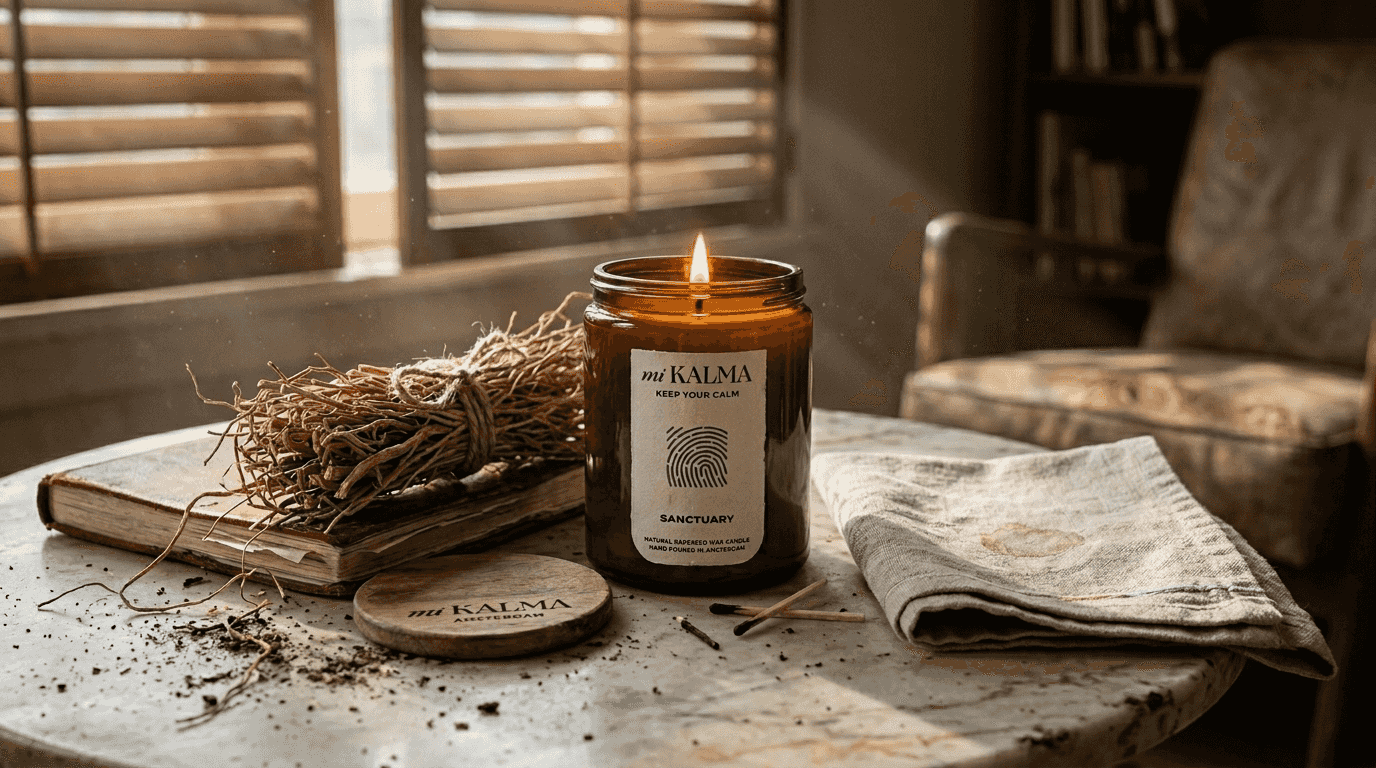
Patchouli offers woody, slightly sweet notes with musky undertones that reduce anxiety whilst promoting mental clarity. Despite its association with certain cultural movements, patchouli has centuries of traditional use in meditation and spiritual practices across Asia. Its rich, complex aroma develops over time, making it ideal for longer burning sessions.
Cedarwood provides warm, woody notes that calm the nervous system through compounds like cedrol and cedrene. This familiar scent often evokes feelings of safety and comfort, as many people associate it with wooden furniture or forest walks. Cedarwood works particularly well for sleep preparation and evening relaxation rituals.
Frankincense delivers resinous, slightly citrus notes that elevate mindfulness practices and promote spiritual connection. Used in religious ceremonies for millennia, frankincense contains alpha pinene and limonene that support focused attention whilst reducing stress. Its sophisticated aroma appeals to those seeking both grounding and mental clarity.
Sandalwood offers creamy, smooth woody notes extensively used in meditation traditions throughout India and Southeast Asia. This precious oil promotes deep relaxation whilst maintaining mental alertness, making it valuable for contemplative practices. Sustainable sourcing matters significantly for sandalwood due to overharvesting concerns.
Myrrh provides balsamic, slightly bitter notes with warming qualities that soothe emotional turbulence. Like frankincense, myrrh has ancient spiritual associations and works synergistically with other grounding oils. Its complex aroma profile adds depth to candle blends without overwhelming lighter notes.
Lavender and clary sage reduce cortisol and anxiety significantly in clinical studies, offering complementary calming effects that pair beautifully with deeper grounding scents. Whilst not traditionally classified as grounding oils, their proven anxiolytic properties make them valuable additions to wellness candle blends. Consider exploring candle scents designed for mindful relaxation to discover how these oils work in combination.
Comparison of premium eco-friendly grounding candles
Leading eco-friendly brands like Hemlock Park, Devine Flame, Wizard & Grace, and Boheme offer premium candles with natural waxes, essential oils, and sustainable practices that deliver clean burning and authentic aromatherapy. Comparing these options helps you identify which brands align with your values whilst meeting quality standards for grounding scent delivery. Natural wax selection significantly impacts burn quality, scent throw, and environmental footprint.
European rapeseed wax represents a superior natural alternative to imported soy or coconut waxes, offering exceptional burn stability and scent performance with lower transport emissions. After extensive testing, brands like mi KALMA chose rapeseed wax for its renewable crop sourcing, clean combustion, and ability to hold higher fragrance concentrations without compromising burn quality. This locally sourced European wax delivers consistent performance that mass produced paraffin candles cannot match.
Essential oils versus synthetic fragrances creates a fundamental quality distinction in grounding candles. Authentic aromatherapeutic benefits require pure essential oils or high quality, IFRA compliant fragrance oils designed specifically for candle performance. Premium brands use 8 to 10 per cent fragrance concentration by weight, delivering room filling hot throw that cheaper candles using 2 to 3 per cent cannot achieve. This concentration difference directly impacts your ability to experience genuine grounding effects.
| Brand Feature | Premium Standard | Mass Market Alternative | | — | — | | Wax Type | Natural rapeseed, soy, or coconut | Paraffin or blended wax | | Fragrance Source | Pure essential oils or vegan IFRA oils | Synthetic phthalate fragrances | | Fragrance Load | 8 to 10 per cent by weight | 2 to 3 per cent by weight | | Burn Time | 40 to 60 hours for standard size | 20 to 30 hours typical | | Sustainability | Tree planting, recyclable packaging | Minimal environmental consideration |
Burn time benchmarks matter for both value and usability in your wellness practice. Quality natural wax candles typically deliver 40 to 60 hours of burn time, allowing consistent use over weeks rather than days. This extended performance justifies premium pricing whilst reducing packaging waste from frequent replacements.
Wood wicks add sensory dimension through gentle crackling sounds that enhance mindfulness practices. Combined with intention based essential oil blends, these elements create multi sensory experiences that deepen your grounding rituals. Some brands incorporate tree planting programmes with each purchase, adding ecological value that extends beyond the candle itself.
Pro Tip: Before committing to full size candles, request samples or purchase travel sizes to test scent strength and personal reaction. What grounds one person beautifully may feel overwhelming or ineffective for another due to individual scent perception variability.
Creating a calming home atmosphere with premium candles requires attention to these quality factors alongside aesthetic considerations. Your investment in eco-friendly grounding candles supports both personal wellness and environmental sustainability when you choose thoughtfully crafted products.
Choosing the right grounding scent candle for your wellness journey
Matching candle scent strength to your anxiety levels and environment ensures optimal grounding effects without sensory overwhelm. Individual variability in scent perception affects efficacy significantly, making personal testing essential before committing to specific profiles. Your ideal grounding scent depends on factors including your current stress levels, the size of your space, and how you plan to incorporate candles into your wellness rituals.
Consider sustainability and artisanal craftsmanship when selecting candles to ensure alignment with your personal values. Supporting small batch producers who prioritise eco-conscious practices extends the wellness benefits beyond your immediate experience. Queer owned businesses, women led enterprises, and local artisans often bring unique perspectives and care to their craft that mass market brands cannot replicate.
Start your grounding scent exploration with these practical steps:
- Identify your primary wellness goal: sleep improvement, anxiety reduction, meditation support, or general calm
- Research essential oil profiles that address your specific needs using reputable aromatherapy sources
- Select two to three candidate scents that appeal to your sensory preferences and align with your goals
- Test samples in your actual living space during times when you’ll typically use the candles
- Observe your emotional and physical responses over several sessions before purchasing full size products
- Adjust scent strength, burning duration, or oil combinations based on your personal experience
Testing samples or starting with subtle blends prevents overstimulation that can counteract grounding intentions. Expert nuances suggest overly strong scents may activate stress responses, so choosing gently familiar woody profiles and testing before full commitment optimises your results. This cautious approach respects aromatherapy scent variability that affects individual responses.
Use candles as part of mindful rituals rather than simply burning them as background ambiance. Intentional lighting, conscious breathing whilst inhaling the scent, and deliberate environment setting amplify grounding effects significantly. Create a dedicated space for your candle practice, even if it’s just a specific corner of a room, to build strong associations between the scent and your relaxation response.
“Begin with gentle, familiar woody scents like cedarwood or sandalwood rather than intense resinous profiles. Allow your nervous system to acclimate gradually, building positive associations with the aroma before exploring more complex or unfamiliar grounding oils. This patient approach yields deeper, more sustainable grounding effects.”
Exploring how to personalise candle scents naturally and discovering various ways to use scented candles for wellness expands your ability to create truly customised grounding experiences. Your wellness journey deserves this thoughtful, personalised approach rather than generic solutions that may not serve your unique needs.
Explore mi KALMA’s premium grounding scent candles
mi KALMA offers exceptional natural wax candles featuring clean burning European rapeseed wax blends that deliver superior scent performance with minimal environmental impact. Each candle contains pure, vegan, phthalate free fragrance oils designed and produced in France, optimised specifically for candle applications at 10 per cent concentration for powerful room filling hot throw. This Amsterdam based, queer owned small business crafts candles in small batches, ensuring quality and attention that mass produced alternatives cannot match.
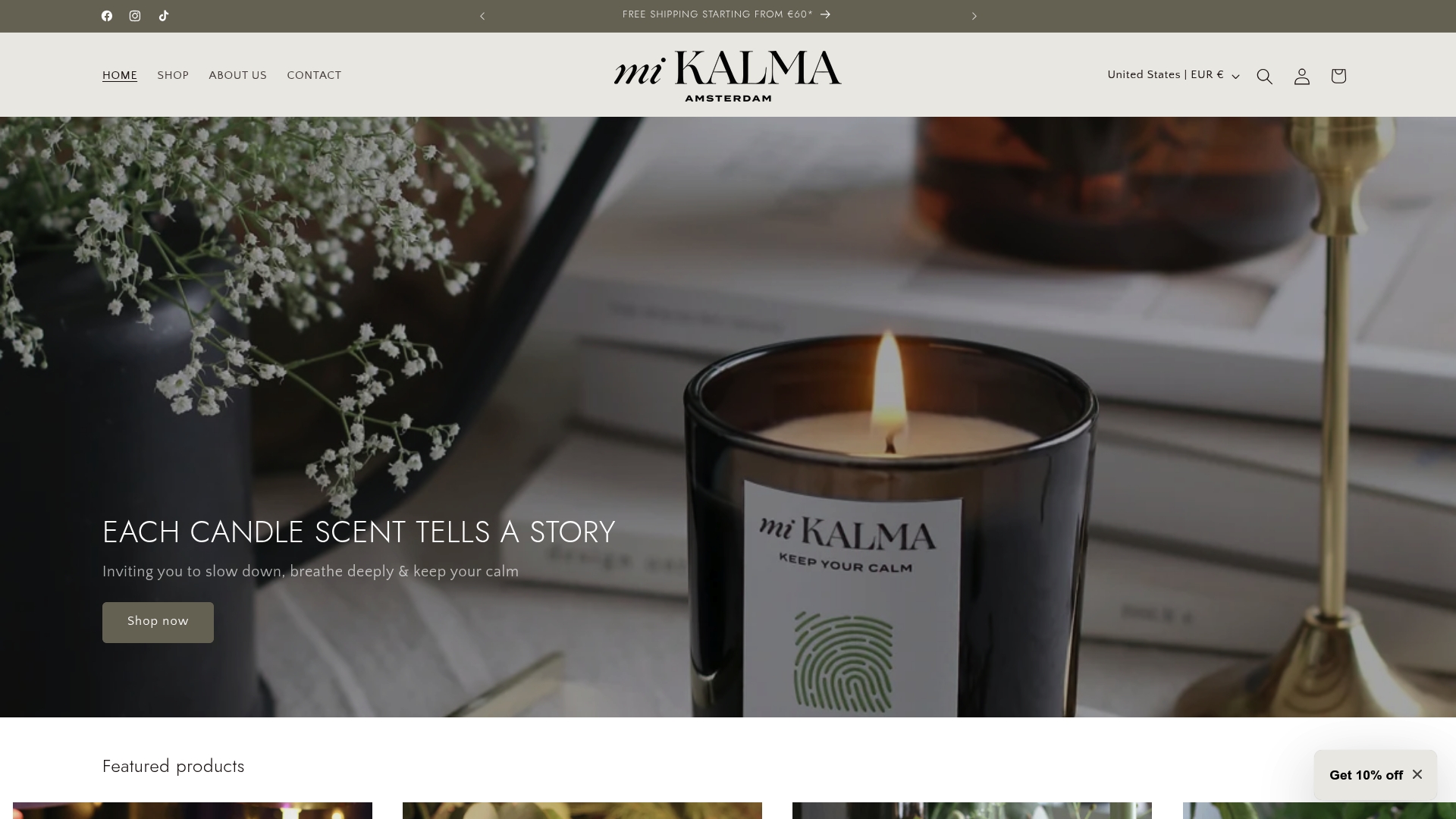
Their candle collection includes grounding scent profiles featuring sustainable wood wicks and timeless black glass jars with recyclable packaging. The SANCTUARY scented candle offers deep woody notes perfect for evening meditation, whilst the FLORAL WHISPER scented candle combines gentle grounding elements with uplifting floral accents for balanced calm. Each purchase supports ecological causes, extending your wellness practice’s positive impact beyond your immediate space. Discover candles designed as daily rituals that create genuine calm and connection.
Frequently asked questions
What are grounding scents and how do they work?
Grounding scents are earthy, woody, and resinous essential oils that promote emotional stability by calming your mind and reducing anxiety. They work by stimulating your brain’s limbic system through olfactory molecules, increasing GABA activity whilst reducing stress hormones like cortisol by measurable amounts.
Which essential oils are best for grounding and anxiety relief?
Vetiver, patchouli, cedarwood, frankincense, sandalwood, and myrrh rank as top grounding oils due to their high sesquiterpene content and proven calming effects. Lavender and clary sage also reduce cortisol and anxiety significantly in clinical studies, making them valuable complementary options for comprehensive wellness support.
How do I choose an eco-friendly grounding candle safely?
Choose candles made with natural waxes like rapeseed, soy, or coconut combined with pure essential oils or vegan, phthalate free fragrance oils that meet IFRA safety standards. Avoid overly strong scents by testing samples first, and consult healthcare providers if you’re pregnant, asthmatic, or taking medications that might interact with aromatherapy.
Can grounding scents be used in home decor for wellness?
Yes, grounding scents promote calm and mindfulness in living spaces whilst serving as beautiful decor elements that reflect your personal style. Integrating them thoughtfully into your environment supports emotional balance and creates atmospheric depth, as explored in the role of scent in home decor. Quality candles become functional art pieces that serve both aesthetic and therapeutic purposes.