

How to choose luxury candles: eco-friendly living guide
TL;DR:
- Genuine luxury candles are defined by craftsmanship, intention, and eco-conscious sourcing, not just price.
- Key indicators include hand-poured small batch production, full ingredient transparency, and sustainable packaging.
- The true value lies in the experience and values reflected in the candle, beyond technical features.
Candles that promise luxury but deliver a thin scent, a sooty jar, and a guilty conscience are frustratingly common. The market is crowded with products dressed in elegant packaging yet made with cheap paraffin, synthetic fragrance oils, and no transparency about ingredients. Choosing well requires more than a pleasant sniff in the shop. It means understanding what separates a genuinely premium candle from a mass-market imitation, and knowing which questions to ask before you buy. This guide walks you through every step, from reading labels and evaluating wax blends to testing burn performance, so you can select with confidence.
Key Takeaways
| Point | Details |
|---|---|
| Craftsmanship signals true luxury | Hand-poured, artisanal candles using transparent and ethical methods are the hallmarks of quality. |
| Check for meaningful certifications | Cruelty-free, vegan, and eco-labels confirm both ethics and safety in your luxury candle. |
| Choose the right wax and scent | Opt for coconut or soy for clean, even burns and style your candling to match your space and wellbeing needs. |
| Evaluate for performance and sustainability | Expect burn times of 40–80 hours, ensure even melt pools, and pick reusable, beautiful vessels. |
Understanding luxury candles: What sets them apart
Now that you are ready to make a discerning choice, it helps to clarify what truly defines a luxury candle. The answer is not simply a higher price tag.
Luxury candles are defined by story, emotion, and premium materials rather than price alone. A mass-market candle typically uses a single, simple fragrance note, a low fragrance load (the percentage of scent oil relative to wax), and manufacturing processes designed for speed and volume. A luxury candle, by contrast, is built around intention. The maker selects each ingredient deliberately, layers complex scent profiles, and often produces in small batches to maintain consistency.
For eco-conscious consumers, the distinction goes further. Genuine luxury aligns with values. That means handcrafted candles for mindfulness, transparent sourcing, cruelty-free production, and packaging that does not end up in landfill within a week. These are not optional extras. They are core markers of a product that respects both the buyer and the environment.
Here is a quick comparison to illustrate the difference:
| Feature | Luxury candle | Mass-market candle |
|---|---|---|
| Wax type | Natural (soy, coconut, rapeseed) | Paraffin or blended |
| Fragrance load | 8 to 12 percent | 3 to 6 percent |
| Production method | Hand-poured, small batch | Machine-produced, large volume |
| Ingredient transparency | Full disclosure | Rarely disclosed |
| Packaging | Sustainable or reusable | Standard cardboard or plastic |
| Certifications | Cruelty-free, vegan, non-toxic | Often absent |
Key markers to look for in a genuinely premium candle:
- Hand-poured production in small batches, ensuring consistency and care
- Full ingredient disclosure, including wax type, fragrance composition, and wick material
- Sustainable packaging made from recycled or biodegradable materials
- Cruelty-free certifications, which confirm no animal testing at any stage
- Authentic brand story rooted in craft, place, and purpose
Brands that meet these standards, such as those featured among luxury candle exemplars, tend to treat their candles as sensory objects with meaning rather than commodity products. Understanding cruelty-free candle certifications and what they actually verify is a useful first step before you begin comparing products. The craft behind each piece, explored in detail through artisanal candle craftsmanship, is what separates a candle you forget from one you remember.
Key features to evaluate when selecting luxury candles
Understanding the standards of true luxury, let us explore the specific features you should check when shopping.
The first thing to examine is production method. Hand-poured, artisanal craftsmanship with transparent ingredients and cruelty-free certifications are the clearest signals of a quality product. Ask whether the candle is made in small batches. Small batch production limits the risk of inconsistency and allows makers to monitor each pour carefully. A brand that cannot tell you where its wax comes from or how its fragrance is composed is not operating at a luxury standard.
Certifications matter more than marketing copy. Look specifically for:
- Cruelty-free certification: Confirms no animal testing at any production stage. See understanding cruelty-free standards for a breakdown of what each label actually means.
- Vegan status: Ensures no animal-derived ingredients such as beeswax or stearic acid from tallow.
- Non-toxic labelling: Indicates the fragrance blend avoids phthalates, parabens, and other harmful compounds.
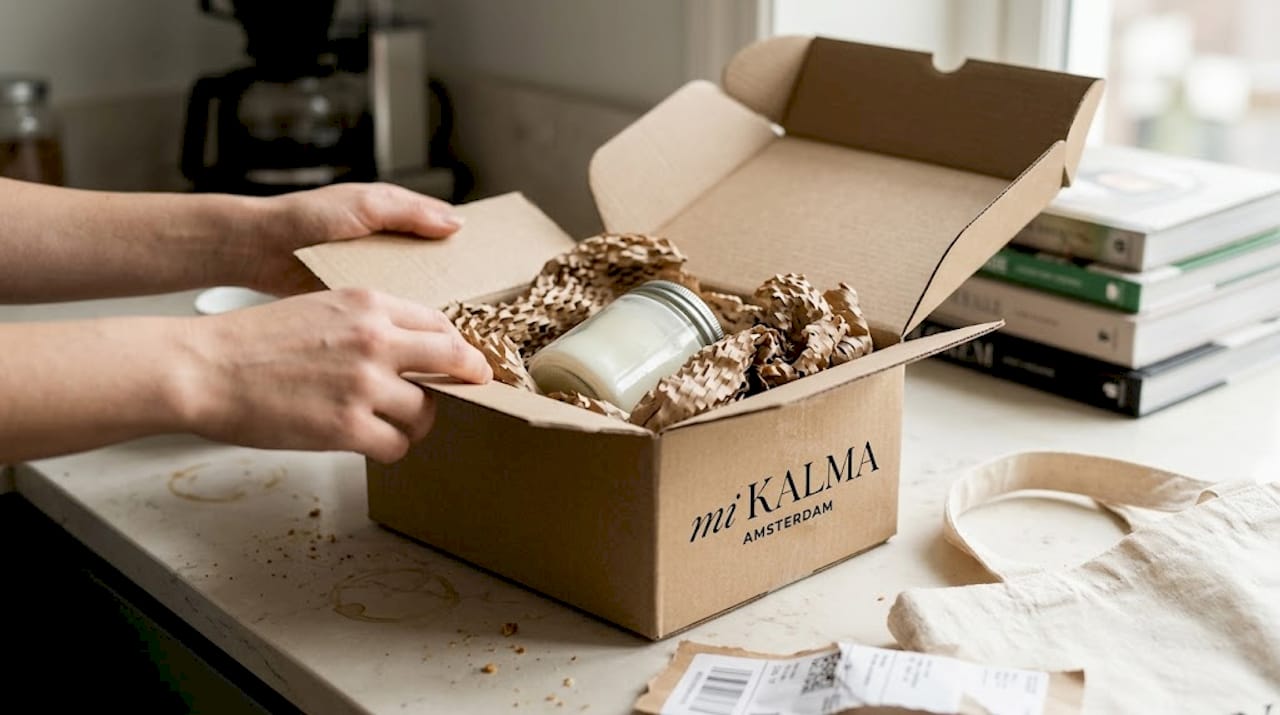
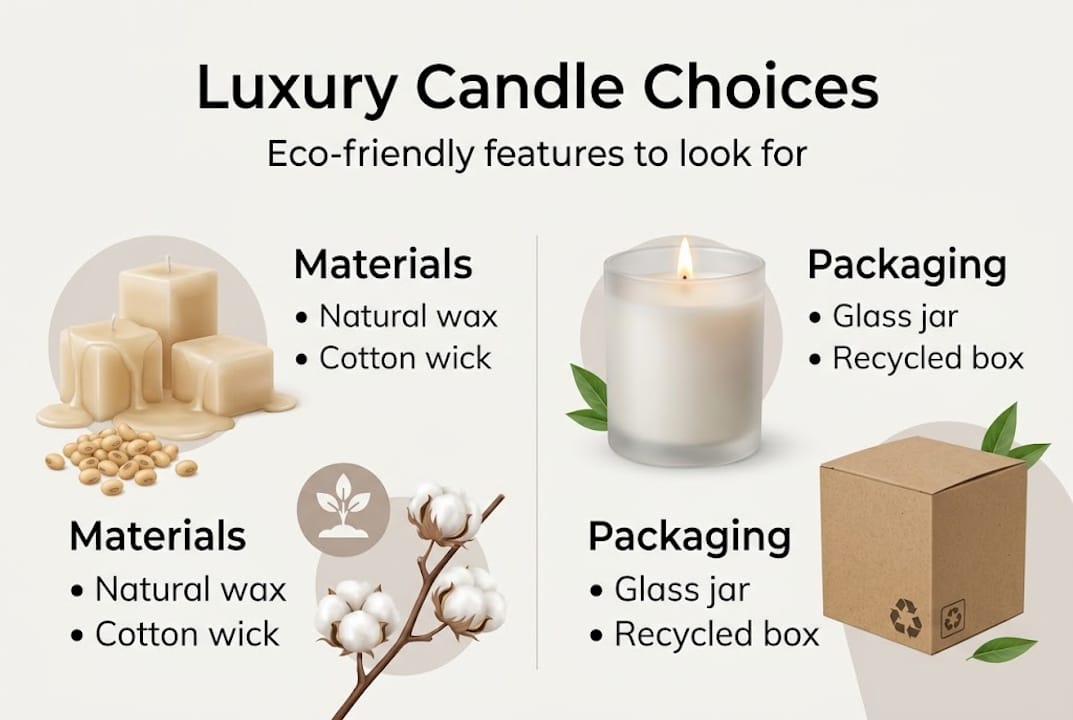
Packaging is another reliable indicator. Sustainable luxury brands use glass, recycled card, or biodegradable wrapping. Reusable containers, particularly glass vessels, signal that the brand has thought beyond the first burn. A jar you can repurpose as a planter, a pen holder, or a small storage container is a sign of considered design.
Here is a quick checklist for evaluating any candle before purchase:
| Evaluation point | What to check |
|---|---|
| Wax type | Natural, plant-based, non-paraffin |
| Fragrance disclosure | Named notes, percentage listed |
| Wick material | Cotton or wood, lead-free |
| Certifications | Cruelty-free, vegan, non-toxic |
| Packaging | Recyclable, reusable, or biodegradable |
| Batch size | Small batch stated on label or website |
| Brand transparency | Clear about origin, maker, and process |
The artisanal craftsmanship guide provides further detail on what the production process looks like at a genuinely artisanal level.
Pro Tip: If a brand’s website does not list its wax type, fragrance composition, or certifications, treat that as a red flag. Transparency is a basic expectation at the luxury tier, not a bonus feature.
Choosing the right scent and wax blend for your space
After establishing the basics of candle quality, it is time to match your sensory preferences and ethics through scent and wax choice.
Wax type directly affects how a candle performs. Coconut wax delivers excellent scent throw and an even burn, soy wax offers a subtle but long-lasting result with low soot output, and paraffin produces a strong throw but is not an eco-friendly option. Rapeseed wax, common in European artisanal production, sits close to soy in performance but is locally sourced and biodegradable, making it a strong choice for sustainability-focused buyers.
Follow this process when selecting your wax and scent combination:
- Identify your room size. Larger spaces need a candle with a stronger scent throw. Coconut or blended wax candles perform well here.
- Consider air flow. Open-plan rooms or spaces near windows disperse scent quickly. Choose a higher fragrance load (10 percent or above) to compensate.
- Define your mood intention. Lavender and chamomile support relaxation. Citrus and eucalyptus promote alertness. Woody or resinous notes (sandalwood, cedarwood) create grounding warmth.
- Match the scent profile to the time of day. Light, fresh notes suit morning routines. Deeper, richer scents work better in the evening.
- Test before committing. Many premium brands offer sample sizes. Use these to assess how a scent develops over a full burn rather than judging by the cold throw alone.
The wax blend comparisons available from specialist reviewers provide useful side-by-side data if you want to go deeper on performance differences. For a practical overview of scent selection, the choosing scented candles guide covers the process clearly. If your goal is to create calm at home, scent choice is one of the most direct tools available to you.
Pro Tip: Always assess a candle’s hot throw (the scent released while burning) separately from its cold throw (the scent when unlit). Many mass-market candles smell strong in the shop but deliver very little once lit.
Evaluating performance: Burn time, melt pool, and vessel design
Your preferences are set. Now discover practical ways to assess quality at home or in the shop.
Burn time is one of the most straightforward quality indicators. A 6 to 8 oz candle should burn for 40 to 80 hours with an even melt pool and minimal tunnelling. Tunnelling occurs when the wax melts only around the wick, leaving a ring of unburned wax along the sides. It wastes product and weakens scent throw. A well-formulated candle with the correct wick size avoids this entirely.
The melt pool is the layer of liquid wax that forms around the wick during burning. For a quality candle, this pool should reach the edges of the container within two to three hours of the first burn. If it does not, the wick is likely undersized for the vessel, which is a formulation issue, not a minor flaw.
“A candle that tunnels on the first burn will continue to tunnel. The first burn is the most important indicator of overall quality.”
Vessel design is equally important. Reusable glass or ceramic containers offer post-burn utility and reflect a brand’s commitment to reducing waste. A well-designed vessel should feel substantial in the hand, have a clean finish, and suit the aesthetic of your space beyond its life as a candle.
Quick checklist for performance evaluation:
- Stated burn time: Minimum 40 hours for a standard 200g candle
- First-burn melt pool: Should reach the vessel edges within 2 to 3 hours
- Wick material: Cotton or wood, centred and untreated
- Vessel quality: Thick glass or ceramic, reusable after burning
- Label information: Batch number, pour date, and safety instructions present
For more detail on getting the most from your purchase, the guide on candle burn time and longevity is worth reading alongside the overview of benefits of handcrafted candles.
The overlooked truth: Luxury is an experience, not just a label
Beyond the technical features and tests, consider what a luxury candle truly represents in your daily environment.
Most buying guides stop at the checklist. Wax type, burn time, certifications. These are necessary, but they are not the whole picture. A candle that scores well on every technical measure but carries no story, no clear intention, and no sense of place is still a functional object rather than a meaningful one.
True luxury in this context is the combination of ethical creation, genuine craft, and the quiet ritual of lighting something made with care. Mass-market products cannot replicate that depth. They are designed for volume, not for the person who wants their home to feel considered.
Choosing a candle that aligns with your values, one made by artisans, from traceable materials, in a place with a clear ethos, is a small but deliberate act. It supports slower, more intentional consumption. It contributes to a calming atmosphere with candles that reflects who you are and how you want to live. That is what separates a purchase from a choice.
Explore mindful luxury with mi KALMA candles
Ready to bring mindful luxury into your space? Here is how to discover options that fit everything covered above.
mi KALMA produces handcrafted candles in small batches in Amsterdam, using sustainably sourced European rapeseed wax. Every product is vegan-friendly, cruelty-free, and made without compromise on ingredient transparency. The mi KALMA Candle Collection covers a range of scent profiles and vessel styles, each designed for both sensory quality and post-burn utility. If you are looking for natural wax candles that meet the standards outlined in this guide, the range offers a clear starting point for building a more intentional home fragrance practice.
Frequently asked questions
How can I tell if a luxury candle is truly eco-friendly?
Look for full ingredient disclosure, cruelty-free or vegan certifications, and packaging that is sustainable or reusable. Transparent ingredients and cruelty-free certifications are the clearest indicators of genuine eco-friendly production.
What burn time should I expect from a luxury candle?
A quality 6 to 8 oz luxury candle should deliver 40 to 80 hours of burn time with an even melt pool and minimal tunnelling across its life.
Do luxury candle containers really matter?
Yes. Reusable glass or ceramic vessels provide practical utility after the candle is finished and reflect a brand’s commitment to reducing unnecessary waste.
Are coconut or soy wax candles better for mindful living?
Coconut wax provides a strong scent throw and an even burn, while soy wax offers a cleaner, long-lasting, lower-soot alternative. Both are solid eco-friendly choices compared to paraffin.