

Eco-friendly candle benefits: Wellness and home in 2026
TL;DR:
- Genuine eco-friendly candles use sustainably sourced waxes, natural fragrances, and recyclable packaging.
- They produce less soot and harmful particulates, improving indoor air quality and supporting wellness.
- Certification, transparency, and proper burn practices are key to ensuring true environmental and health benefits.
Not all natural candles are created equal. A candle labelled “natural” or “eco-friendly” can still release soot, synthetic fragrance particles, and harmful additives into your home. The wax type is just one piece of the picture. Wick material, fragrance composition, sourcing practices, and even how you burn a candle all affect its real environmental and wellness impact. This guide breaks down what genuine eco-friendliness looks like in candles, which waxes perform best, and how to use them to support your wellbeing, mindfulness practice, and home environment.
Key Takeaways
| Point | Details |
|---|---|
| Not all natural equals eco-friendly | Certification, sourcing, and burning practices play a bigger role than marketing labels. |
| Wellness and air quality boost | Eco-friendly candles create a cleaner, healthier ambience and support relaxation indoors. |
| Safer scent choices matter | Naturally scented or unscented candles reduce indoor air risks compared to synthetic blends. |
| Smart buying and care tips | Check for ingredient transparency, handle candles properly, and prioritise natural materials for best results. |
What makes a candle eco-friendly?
The term “eco-friendly” gets applied to candles loosely. In practice, a genuinely eco-friendly candle meets several criteria at once, not just one.
True eco-friendliness covers:
- Wax source: Natural, renewable, and sustainably harvested. Options include soy, coconut, beeswax, and European rapeseed wax.
- Fragrance: Free from phthalates, parabens, and synthetic compounds. Ideally IFRA-compliant and produced with transparency.
- Wicks: Cotton or wood, not metal-core wicks that can release trace heavy metals.
- Additives: Minimal or none. Dyes, UV stabilisers, and synthetic hardeners reduce a candle’s clean credentials.
- Packaging: Recyclable, reusable, or compostable materials.
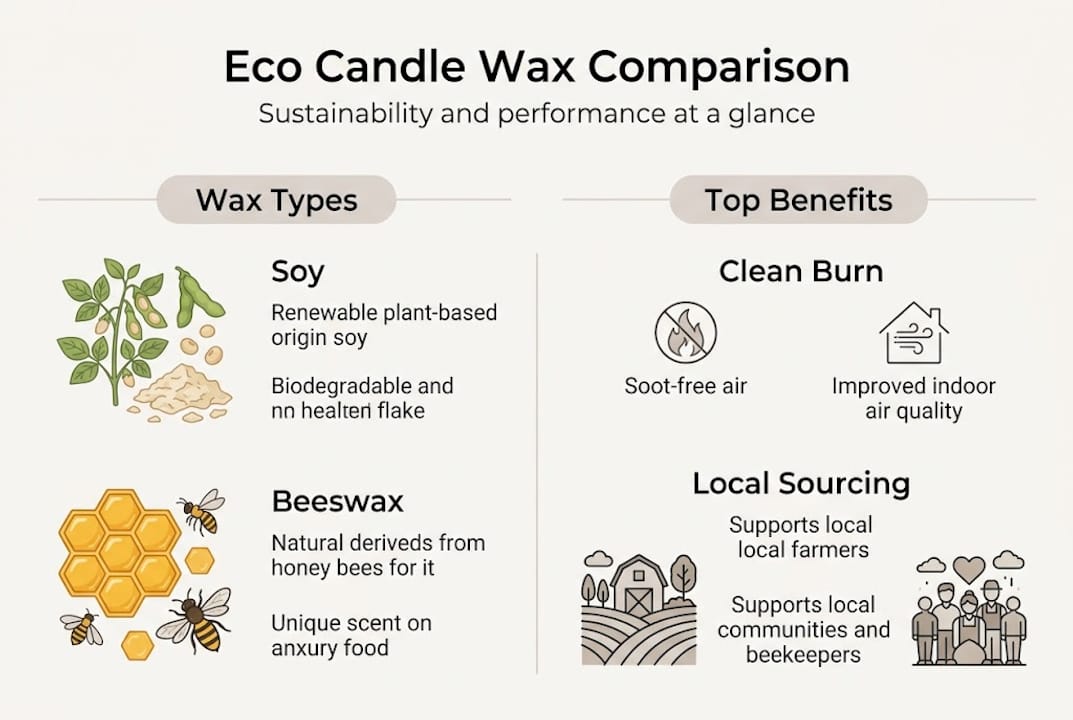
The most common natural waxes each carry trade-offs. Soy wax is widely available and affordable, but most soy is grown in deforested regions unless RSPO-certified. Coconut wax burns cleanly and holds scent well, but its long supply chain adds a transport footprint. Beeswax is natural and long-burning, but raises animal welfare concerns and is not vegan. European rapeseed wax, like that used by mi KALMA, is a renewable crop grown close to home, with a lower transport footprint and excellent burn stability.
Certifications matter more than marketing language. Look for RSPO certification on soy, organic labelling on beeswax, and clear ingredient lists on any candle you buy. As Wirecutter notes, no wax is perfect; certifications and burn habits matter more than wax type alone.
Burn practices also affect eco-friendliness. A poorly trimmed wick produces excess soot regardless of wax type. Burning in a poorly ventilated room concentrates particulates. Learning how to choose eco-friendly candles starts with ingredients but extends to how you use them.
Pro Tip: Ignore buzzwords on the label. Check for third-party certifications, a full ingredient list, and wick material before buying. Transparency is the clearest signal of a genuinely eco-friendly product. These eco-friendly candle selection tips can help you filter out greenwashing quickly.
Key benefits of eco-friendly candles for wellness and home
Once you know what to look for, the benefits of choosing a genuinely eco-friendly candle become concrete and measurable.
Improved indoor air quality
Paraffin candles are derived from petroleum. When burned, they release benzene, toluene, and fine particulates into your indoor air. Eco-friendly alternatives produce far less soot and far fewer harmful compounds. Why sustainable candles matter for air quality becomes clear when you compare the residue left by paraffin versus a clean-burning rapeseed or beeswax candle.
Mood and mindfulness support
Soft, natural candlelight supports relaxation in a way that artificial lighting simply does not. The warm flicker activates a calming visual response. Paired with natural fragrance from essential oils or IFRA-compliant fragrance blends, this creates a sensory environment that supports meditation, journalling, and winding down.
Safer for sensitive groups
Children, pets, and people with respiratory sensitivities are particularly vulnerable to synthetic fragrance compounds and soot. Eco-friendly candles with clean waxes and phthalate-free fragrance reduce this risk considerably.
Sustainable home décor
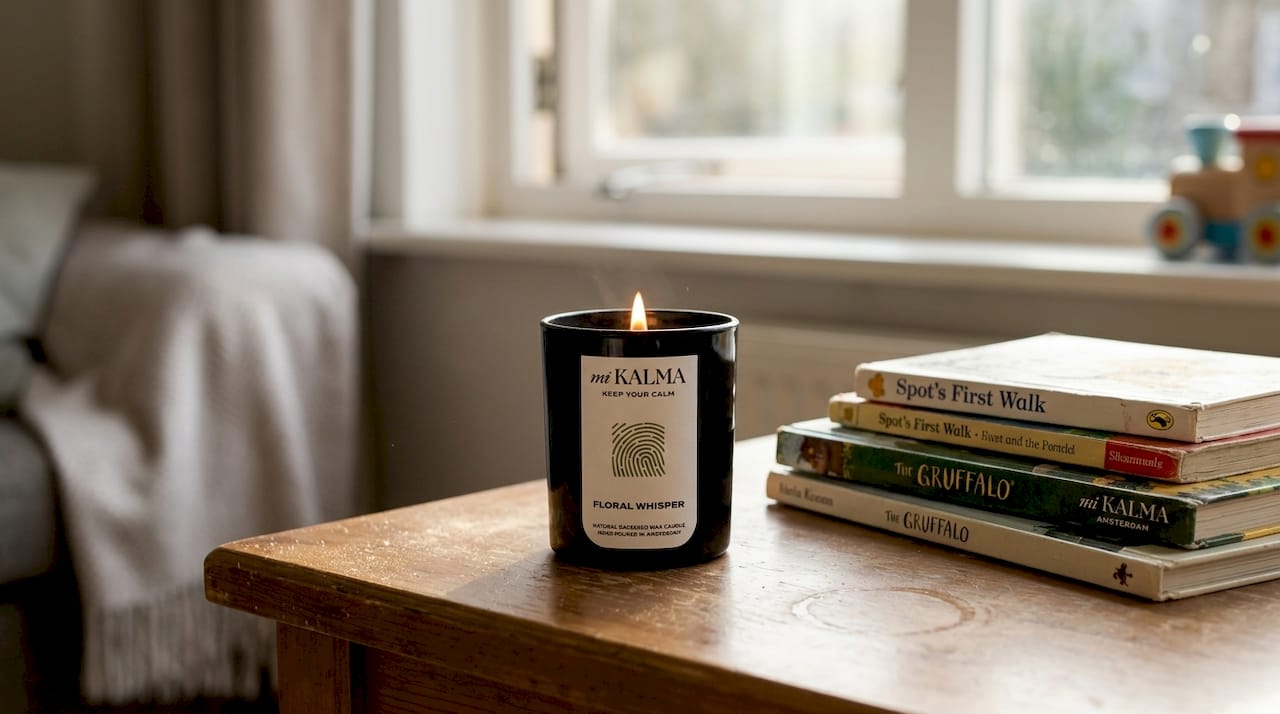
Handcrafted candles in reusable or recyclable vessels, such as the timeless black glass jars used by mi KALMA, add a considered aesthetic to any space without the environmental cost of mass-produced alternatives.
However, fragrance choices still require care. Research published by the ACS found that scented products, even non-burning wax melts, can form nanoparticles that affect indoor air quality. This reinforces the value of candles that use high-quality, safety-tested fragrance oils rather than synthetic compounds.
Key wellness benefits at a glance:
- Less soot and fewer particulates than paraffin-based candles
- Natural fragrance supports mood regulation and stress reduction
- Safer for children, pets, and allergy sufferers
- Supports mindfulness and relaxation rituals
- Sustainable materials reduce home décor environmental impact
Comparing eco-friendly candle waxes and their real-world impact
Choosing the right wax depends on your priorities. Here is a straightforward comparison of the main options.
| Wax type | Eco credentials | Burn time | Scent throw | Cost | Best use |
|---|---|---|---|---|---|
| Soy | Good if RSPO-certified | Medium | Good | Low | Everyday candles |
| Coconut | Strong, but long supply chain | Long | Excellent | High | Luxury, scented candles |
| Beeswax | Natural, not vegan | Very long | Mild, honey-like | High | Air purification, unscented |
| Rapeseed (European) | Renewable, low transport footprint | Long | Excellent | Medium | Premium, wellness-focused |
European rapeseed wax stands out for its combination of sustainability and performance. Grown locally across Europe, it requires no long-haul shipping. It burns cleanly, holds fragrance exceptionally well, and produces a stable, even melt pool. Mi KALMA uses 100% natural European rapeseed wax after extensive testing of alternatives, precisely because it delivers the cleanest and most consistent results.
Fragrance loading also matters. Mass-produced paraffin candles typically use just 2 to 3% fragrance oil by weight. Mi KALMA uses 10% fragrance oil from the total weight, using vegan, phthalate-free, paraben-free, cruelty-free, and IFRA-compliant oils produced in France. The result is a noticeably stronger, room-filling hot throw without compromising safety.
As Wirecutter confirms, certified sources and burn practices matter more than wax type alone. A blend of waxes can combine benefits, but only if the brand is transparent about every ingredient.
Pro Tip: Look for best wax for wellness guides that compare certified sources, not just wax types. And explore natural wax benefits in detail before committing to a brand.
Practical tips for choosing and enjoying eco-friendly candles
Knowing the theory is useful. Applying it daily is where the real benefit comes in.
Buying checklist:
- Confirm the wax type and certification (RSPO soy, organic beeswax, or European rapeseed).
- Check fragrance credentials: phthalate-free, paraben-free, IFRA-compliant.
- Verify wick material: cotton or wood only.
- Review packaging: recyclable, reusable, or minimal.
- Look for a full ingredient list, not just marketing claims.
Using candles for wellness:
Burn candles during dedicated rituals rather than all day. A 30-minute session during meditation, a bath, or reading creates a meaningful sensory anchor. Keep windows slightly open to maintain air circulation. This is especially relevant given that scented products may pose unexpected risks indoors; unscented or naturally scented candles remain the safest option.
Quick reference: wax type and best use
| Wax type | Ideal setting | Recommended scent approach |
|---|---|---|
| Rapeseed (European) | Wellness rituals, daily use | Natural essential oils or IFRA-compliant blends |
| Beeswax | Bedrooms, meditation | Unscented or lightly scented |
| Soy (certified) | Living spaces, gifting | Natural fragrance oils |
| Coconut | Special occasions | Strong natural scents |
For scent choices, a guide to scented candles can help you match fragrance profiles to different moods and spaces. You can also personalise candle scents naturally to suit your wellness goals.
Pro Tip: Always trim your wick to 5mm before each burn. Let the candle cool and fully solidify before relighting. This ensures an even melt pool, reduces soot, and extends the candle’s life considerably.
Why the label ‘eco-friendly’ isn’t enough: A candlemaker’s perspective
The eco-friendly candle market has grown rapidly, and with that growth has come a wave of greenwashing. A candle can use soy wax and still contain synthetic fragrance, metal-core wicks, and non-recyclable packaging. The label alone means very little.
At mi KALMA, genuine eco-friendliness is treated as a holistic standard. Every element, from the European rapeseed wax to the vegan, IFRA-compliant fragrance oils produced in France, is chosen with transparency and accountability in mind. The brand is queer-owned and operates as a small-batch producer in Amsterdam, which means every decision about ingredients and sourcing is deliberate rather than driven by cost-cutting.
The industry challenge is real. Balancing a strong scent throw, a beautiful aesthetic, wellness safety, and environmental responsibility requires constant testing and honest trade-offs. Consumers who ask specific questions, such as where the wax comes from, what is in the fragrance, and how the packaging is disposed of, push the whole industry towards better standards.
Explore eco-friendly picks for meditation to see how these principles translate into practical product choices for your daily rituals.
Try eco-friendly candles for yourself
Mi KALMA offers a range of handcrafted candles made from 100% natural European rapeseed wax, with vegan, phthalate-free, IFRA-compliant fragrance oils produced in France. Each candle is made in small batches in Amsterdam, packaged in recyclable materials, and designed to support daily wellness rituals.
Explore our eco-friendly candles and find the right scent for your space, your mood, and your values. If you are building a more considered home environment, the luxury home décor with eco candles guide is a practical starting point. Natural ingredients, clean fragrance, and timeless design. That is what a genuinely eco-friendly candle looks like.
Frequently asked questions
Are eco-friendly candles really better for indoor air quality?
Yes. Eco-friendly candles made from clean waxes like certified soy, beeswax, or European rapeseed emit less soot and particulates than paraffin-based alternatives, making them a safer choice for everyday indoor use.
Is it safe to use scented eco candles indoors?
Unscented or naturally scented eco candles are the safest option. Scented products, including wax melts, can form nanoparticles when they interact with indoor ozone, so choosing IFRA-compliant, phthalate-free fragrance oils reduces this risk significantly.
How do I know if a candle is truly eco-friendly?
A genuinely eco-friendly candle lists certified ingredients such as RSPO soy or ethical beeswax, avoids unnecessary additives, uses a cotton or wood wick, and comes in recyclable or reusable packaging.
Which wax is best for health and the environment?
No single wax is perfect; the best choice combines certified, ethically sourced materials with proper burn practices. European rapeseed wax is a strong option for its renewable sourcing, low transport footprint, and clean, stable burn performance.
Recommended
- Why sustainable candles matter for wellness in 2026 – mi KALMA
- Ways to use scented candles for wellness in 2026 – mi KALMA
- How to choose candles for eco-friendly wellness in 2026 – mi KALMA
- How to choose eco-friendly candles for wellness – mi KALMA
- Defining eco-friendly wall art: sustainable home decor guide